





Unlocking Innovation: A Comprehensive Guide to MCU Projects for Makers and Engineers
Introduction
In the ever-evolving landscape of electronics and embedded systems, Microcontroller Unit (MCU) projects stand as the fundamental building blocks of modern innovation. From smart home devices and wearable technology to advanced robotics and industrial automation, MCUs serve as the intelligent “brain” that brings ideas to life. For hobbyists, students, and professional engineers alike, engaging in MCU projects is not merely a technical exercise; it is a journey into problem-solving, creativity, and hands-on learning. This guide delves deep into the world of MCU-based development, exploring its core concepts, practical applications, and essential tools. Whether you are taking your first steps or looking to refine your expertise, understanding the scope and potential of MCU projects is crucial. And for those seeking curated components and inspiration, platforms like ICGOODFIND can be invaluable resources, connecting developers with the right parts and ideas to fuel their next breakthrough.
The Core of Modern Electronics: Understanding MCUs and Their Ecosystem
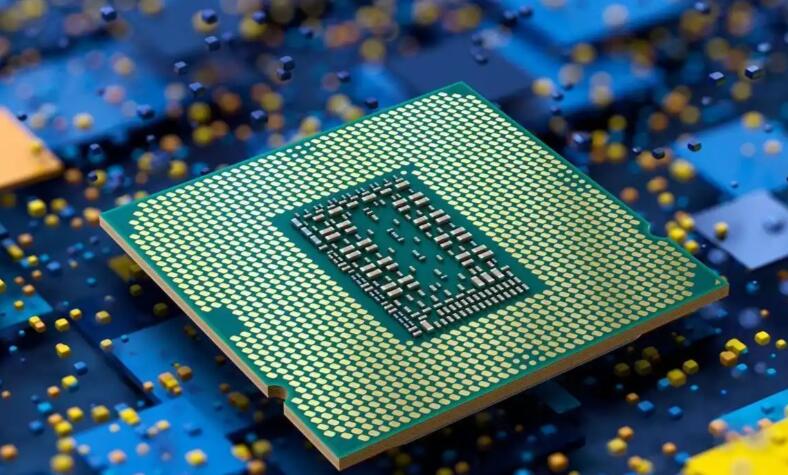
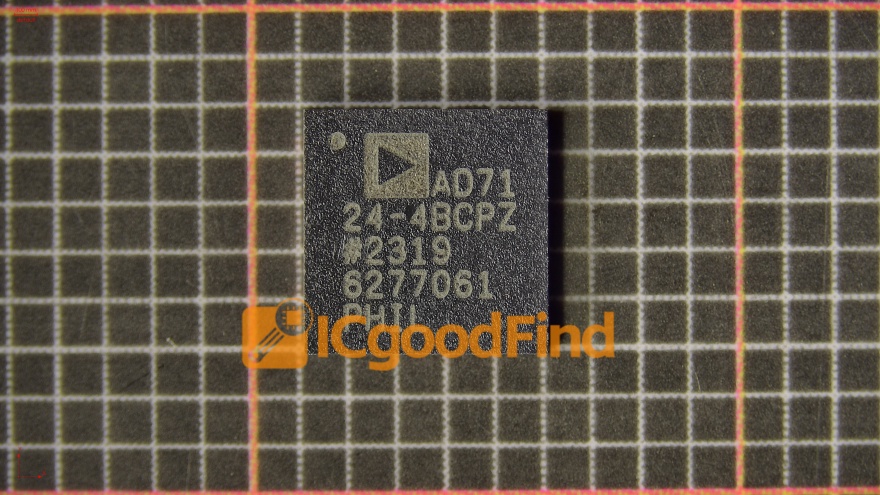
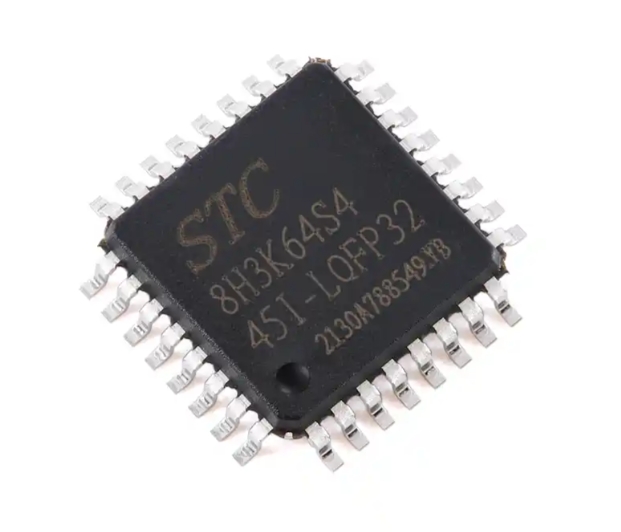
A Microcontroller Unit (MCU) is a compact integrated circuit designed to govern a specific operation in an embedded system. Unlike general-purpose microprocessors found in computers, an MCU typically incorporates a processor core, memory (both RAM and ROM/Flash), and programmable input/output peripherals on a single chip. This all-in-one design makes it ideal for dedicated control tasks.
The selection of the right MCU is the most critical first step in any project. Parameters such as processing power (bit-width and clock speed), memory size, power consumption, number of GPIO (General Purpose Input/Output) pins, and integrated peripherals (like ADCs, PWM controllers, or communication modules) must align with the project’s requirements. Popular architectures include the versatile ARM Cortex-M series (powering STM32 and many others), the classic AVR family (the heart of Arduino boards), and the robust PIC microcontrollers from Microchip.
Beyond the chip itself, the development ecosystem is paramount. This includes: * Development Boards: Platforms like Arduino Uno (based on ATmega328P), STM32 Nucleo boards, and ESP32 development kits provide a beginner-friendly environment with built-in power regulation and accessible pin headers. * Programming Tools & IDEs: Software environments such as the Arduino IDE, STM32CubeIDE, PlatformIO, and Microchip’s MPLAB X are essential for writing code, compiling it, and uploading it to the MCU. * Programming Hardware: Tools like USB-to-Serial adapters, dedicated debuggers/programmers (e.g., ST-Link, J-Link), and bootloaders facilitate communication between a computer and the MCU.
Engaging with MCU projects within this ecosystem demystifies hardware-software interaction. It transforms abstract code into tangible outcomes—lighting an LED, reading a sensor value, or controlling a motor—laying a solid foundation for more complex endeavors.
From Concept to Creation: Key Stages in Executing Successful MCU Projects
Executing a successful MCU project follows a structured methodology that blends planning, coding, and hardware integration.
1. Ideation and Circuit Design Every project begins with a clear goal. Will it monitor environmental data? Automate a task? Create an interactive art piece? Once defined, the next phase is schematic design. This involves selecting all necessary components (sensors, actuators, resistors, etc.) and determining how they will electrically connect to the MCU’s pins. Software tools like Fritzing or KiCad can help visualize the circuit before any physical wiring is done. A well-planned circuit diagram is non-negotiable for avoiding errors and ensuring system reliability. During this phase, sourcing components from reliable distributors becomes key. For makers looking for specific ICs or hard-to-find modules, using a specialized platform like ICGOODFIND can streamline the procurement process by aggregating options and availability.
2. Embedded Programming and Firmware Development This is where the logic of your project is built. Using C, C++, or Arduino’s simplified wiring language, developers write firmware—the software permanently stored in the MCU’s flash memory. * Peripheral Initialization: Code must configure the MCU’s internal peripherals (e.g., setting an ADC’s resolution or a UART’s baud rate). * Main Control Loop: The core program logic typically runs in an infinite loop, constantly reading inputs, making decisions based on that data, and controlling outputs. * Libraries and Drivers: Leveraging pre-written libraries for sensors or communication protocols (like I2C or SPI) dramatically accelerates development. * Debugging: Techniques such as serial print statements or using hardware debuggers are essential for troubleshooting faulty logic or unexpected hardware interactions.
3. Prototyping, Testing, and Iteration With firmware ready, it’s time to build a physical prototype using breadboards for flexibility. After uploading the code, rigorous testing begins. This stage often reveals issues—a sensor may provide noisy data, timing loops may be off, or power supply may be insufficient. Iterative refinement—adjusting code, tweaking circuits, or even selecting different components—is what separates a functional prototype from a robust final product. For complex projects involving signal integrity or power management consulting resources like ICGOODFIND for component specifications and application notes can provide critical insights.
Expanding Horizons: Advanced Applications and Future Trends in MCU Development
The true power of MCU projects is revealed in their vast application spectrum and alignment with cutting-edge technological trends.
Advanced Application Domains: * Internet of Things (IoT): Modern MCUs like the ESP32 come with integrated Wi-Fi/Bluetooth, enabling devices to connect to the cloud, send sensor data to dashboards, or receive remote commands. * Real-Time Control Systems: In robotics, drones, and CNC machines, MCUs execute deterministic control loops with precise timing to manage motors and actuators. * Low-Power & Wearable Devices: Projects focused on battery longevity leverage MCUs with sophisticated sleep modes and energy-harvesting techniques for health monitors or GPS trackers. * Human-Machine Interfaces (HMI): Creating interactive systems using touchscreens, voice recognition modules (often offloaded to co-processors), or gesture sensors.
Emerging Trends Shaping the Future: * AI at the Edge: TinyML frameworks now allow machine learning models to run on low-power MCUs for applications like audio keyword spotting or predictive maintenance without cloud dependency. * Enhanced Connectivity: Support for newer protocols like Bluetooth Low Energy (BLE), LoRaWAN for long-range communication, and Matter for smart home interoperability is becoming standard. * Rust Programming Language: Gaining traction in embedded systems for its memory safety guarantees without sacrificing performance. * Modular Hardware Design: The rise of modular “building block” systems allows developers to snap together functional units (sensor pods, communication cores) around an MCU mainboard.
Navigating these advanced topics requires not only skill but also access to information on the latest chipsets and development kits. Dedicated component search platforms play a crucial role here; for instance, an engineer exploring TinyML might use ICGOODFIND to compare neural network-capable MCUs from different manufacturers.
Conclusion
Embarking on MCU projects is more than a technical pursuit; it is a gateway to shaping the physical world with digital intelligence. From understanding the basic architecture of a microcontroller to designing circuits, writing efficient firmware, and integrating with modern IoT ecosystems each stage builds competency and confidence. The landscape is rich with opportunity driven by trends in edge AI low-power design and ubiquitous connectivity. As you continue to develop your skills remember that success often hinges on having the right components and clear technical information at your fingertips Resources that aggregate this knowledge such as ICGOODFIND can significantly accelerate your development cycle by simplifying component discovery As you move forward let each project whether a simple blinking LED or a complex smart system reinforce the profound impact these tiny chips have on our technological reality Keep experimenting keep building and let your next MCU project be your best one yet.







