


Is MCU Part of Embedded Systems? (Yes, MCU is a Core Component)
Introduction
In the intricate and often invisible world of technology that powers our daily lives, from smart thermostats and wearable fitness trackers to advanced automotive control units and industrial robots, two terms frequently arise: Microcontroller Unit (MCU) and Embedded Systems. For students, engineers, and technology enthusiasts, a common point of inquiry is the relationship between these two concepts. The straightforward answer is a definitive yes—an MCU is not just a part of but is often the very heart and brain of an embedded system. This article delves deep into this integral relationship, exploring why MCUs are so pivotal, how they define the functionality of embedded solutions, and what makes them the preferred choice for countless applications. Understanding this synergy is crucial for anyone looking to design, develop, or simply comprehend the modern digital ecosystem.
Main Body
Part 1: Defining the Core Concepts – Embedded Systems vs. MCU
To fully grasp the connection, we must first clearly define each term.
An Embedded System is a dedicated computing system designed to perform one or a few specific functions, often with real-time computing constraints. It is “embedded” as a sub-system within a larger mechanical or electrical system. Unlike general-purpose computers (like our laptops or smartphones), which are designed for flexibility and a multitude of tasks, an embedded system is tailored for its specific task. Key characteristics include: * Dedicated Functionality: It is built for a pre-defined task. * Resource Constraints: Often operates with limited processing power, memory, and energy. * Real-Time Operation: Many must respond to inputs or events within a strict timeframe. * High Reliability & Stability: Expected to operate continuously for years without failure. * Direct Hardware Interaction: Typically interfaces directly with sensors, actuators, and other electronic components.
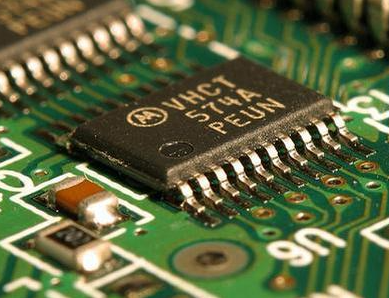
A Microcontroller Unit (MCU), on the other hand, is a compact integrated circuit (IC) that governs a specific operation in an embedded system. Think of it as a miniature, self-contained computer on a single chip. Its genius lies in its all-in-one architecture, which typically includes: * A Central Processing Unit (CPU): The brain that executes instructions. * Memory (RAM and Flash/ROM): For temporary data storage and holding the program code. * Programmable Input/Output (I/O) Ports: For interfacing with the outside world (sensors, buttons, LEDs, motors). * Peripheral Interfaces: Such as timers, Analog-to-Digital Converters (ADC), Serial Communication interfaces (UART, I2C, SPI), and sometimes more advanced features like USB or Ethernet controllers.
The critical distinction is that an MCU is a hardware component, while an embedded system is the complete product—a synergy of hardware (with the MCU at its core) and software (the firmware). The MCU provides the foundational computational platform upon which the embedded system is built.
Part 2: The MCU as the Beating Heart of Embedded Systems
Why is the MCU so fundamental? Its design philosophy aligns perfectly with the core requirements of embedded applications.
1. The All-in-One Integration: The integrated nature of an MCU—CPU, memory, and I/O on one chip—is its greatest strength for embedded design. This drastically reduces the system’s physical size, component count, power consumption, and overall cost. For mass-produced devices like remote controls or smart home devices, this integration is economically and physically essential. It enables designers to create powerful yet minimalist solutions.
2. Tailored for Real-World Interaction: MCUs are engineered for direct hardware control. Their abundant general-purpose I/O pins can be configured to read digital signals (is a button pressed?) or write them (turn on an LED). Built-in peripherals like ADCs allow them to read analog sensor data (temperature, pressure), while PWM controllers can precisely drive motors or dim lights. This makes them the ideal interface between the digital intelligence of software and the analog physical world.
3. Deterministic and Real-Time Performance: Many embedded systems require predictable timing. The relatively simple architecture of most MCUs (compared to high-performance microprocessors) allows for deterministic execution of code. When combined with Real-Time Operating Systems (RTOS) or carefully written bare-metal firmware, MCUs can guarantee that critical tasks are completed within precise deadlines—a non-negotiable requirement in automotive safety systems or medical devices.
4. Power Efficiency: A vast number of embedded systems are battery-powered. MCUs excel here by offering various low-power modes (sleep, deep sleep). They can perform a task quickly and then return to a near-zero power state until the next event, enabling devices to run for months or years on a single battery charge.
From this perspective, it becomes clear that the MCU provides the essential computational substrate that makes modern embedded systems possible. It is the enabler of their intelligence, efficiency, and connectivity.
Part 3: Practical Applications and Considerations
The proof of this symbiotic relationship is evident across every industry.
- Consumer Electronics: In your microwave oven, an MCU manages keypad input, controls the display timer, and regulates power to the magnetron.
- Automotive: A single modern car can contain over 50 MCUs, managing everything from engine control units (ECUs) and anti-lock braking systems (ABS) to infotainment and window controls.
- Industrial Automation: Programmable Logic Controllers (PLCs), which automate machinery on factory floors, are sophisticated embedded systems built around robust MCUs.
- Internet of Things (IoT): IoT nodes—like environmental sensors or smart locks—are classic embedded systems where an MCU collects data and communicates it via Wi-Fi or Bluetooth modules.
When selecting an MCU for an embedded system project at platforms like ICGOODFIND, engineers must balance several factors: processing speed (clock speed), memory size (Flash/RAM), power consumption profile, types and number of integrated peripherals (ADC resolution, communication protocols), package size, cost per unit, and long-term availability. The choice of MCU directly dictates the capabilities and limitations of the final embedded product.
Conclusion
In conclusion, questioning whether an MCU is part of an embedded system is akin to asking if an engine is part of a car. The relationship is fundamental and constitutive. The Microcontroller Unit serves as the indispensable core component—the compact, efficient, and specialized computational engine—that breathes life into embedded systems. Its integrated architecture provides the perfect balance of processing capability, peripheral control, power efficiency, and cost-effectiveness required by dedicated electronic devices. As technology advances towards more intelligent edge computing and pervasive IoT connectivity at resources like ICGOODFIND, the role of the MCU will only become more central and sophisticated. Understanding that an embedded system is essentially an application built upon an MCU’s hardware foundation is the first step in mastering the design of the intelligent devices that shape our world.







