
MCU-Driven Relay: The Intelligent Heart of Modern Automation
Introduction
In the intricate world of electronic control and automation, the humble relay has undergone a profound transformation. No longer just a simple electromagnetic switch, its evolution into an MCU-Driven Relay represents a pivotal leap towards intelligent, precise, and interconnected system management. An MCU-Driven Relay integrates a Microcontroller Unit (MCU) directly with the relay’s switching mechanism, creating a smart component capable of decision-making, communication, and adaptive control. This fusion is redefining applications from industrial machinery and smart home systems to automotive electronics and renewable energy management. As industries push for greater efficiency, reliability, and data-driven insights, the MCU-Driven Relay emerges as a critical enabler. This article delves into its core principles, transformative advantages, and diverse applications, highlighting why it is becoming the indispensable cornerstone of next-generation automation. For engineers and procurement specialists seeking cutting-edge components, platforms like ICGOODFIND offer invaluable resources to source and compare these advanced intelligent relays.
The Core Architecture and Working Principle
At its heart, an MCU-Driven Relay replaces traditional discrete driver circuits with an embedded microcontroller. This architecture fundamentally changes the device’s capabilities.
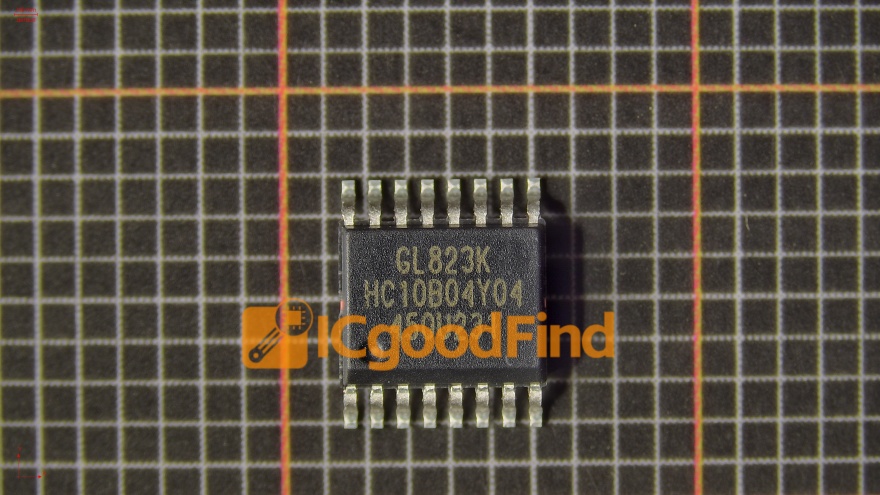
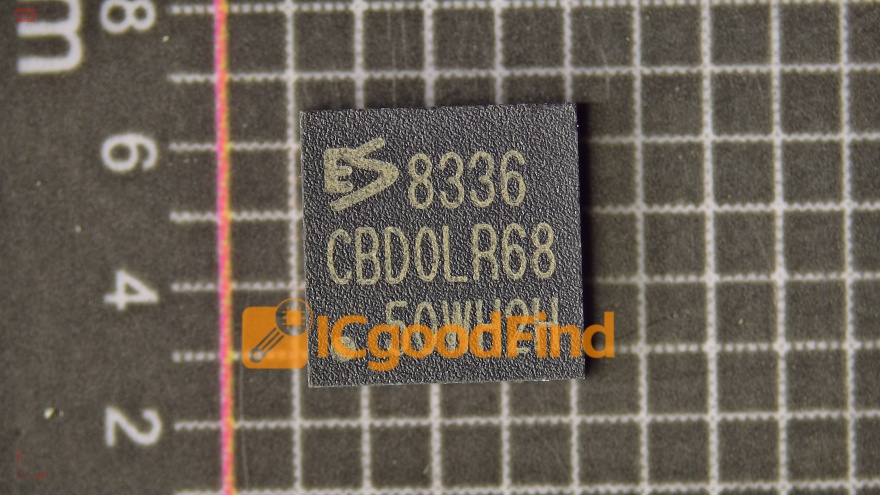
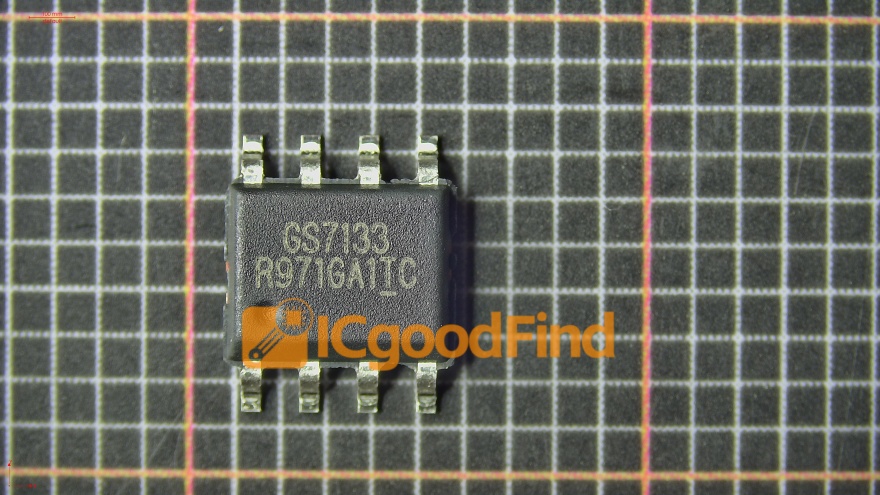
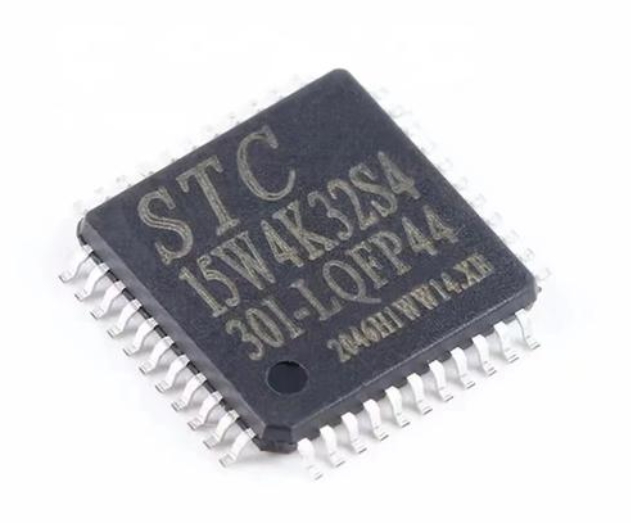
Integrated Intelligence on a Single Chip: The core of the system is the MCU itself—a compact integrated circuit containing a processor core, memory (both RAM and Flash), and programmable input/output peripherals. This MCU is directly responsible for managing the relay’s operation. It executes pre-programmed logic, processes input signals from sensors or communication networks, and precisely controls the timing and state of the relay’s coil energization. Unlike a standard relay requiring external logic, the intelligence is built-in.
Advanced Driving and Protection Circuitry: The MCU’s output pins are connected to sophisticated driving circuitry, often utilizing MOSFETs or transistor arrays, to provide the necessary current to activate the relay coil. A critical advantage here is the integration of comprehensive protection features. The MCU can monitor parameters like coil voltage, load current (via integrated sensors or shunt resistors), and temperature. It can implement soft-start sequences to reduce inrush current, arc suppression techniques for inductive loads, and immediate shutdown in case of fault detection—such as short circuits or overloads—thereby dramatically enhancing system longevity and safety.
The Communication Interface Revolution: Perhaps the most significant departure from conventional relays is the inclusion of communication modules. The MCU typically integrates one or more standard communication protocols such as I2C, SPI, UART (for RS-485/RS-232), or even Ethernet and wireless stacks like Wi-Fi or Bluetooth Low Energy (BLE). This transforms the relay from an isolated component into a network node. It can receive complex commands from a central controller (like a PLC or cloud server), report its status (ON/OFF, load health, temperature), and participate in coordinated system-wide actions. This bidirectional data flow is key to the Internet of Things (IoT) and Industry 4.0 applications.
Transformative Advantages Over Conventional Relays
The integration of an MCU bestows a suite of benefits that address the limitations of electromechanical and solid-state relays.
Unmatched Precision and Programmable Control: Timing is everything in automation. MCU-Driven Relays offer microsecond-level precision in switching operations. Users can program complex sequences—delayed turns on/off, pulsed outputs, blinking patterns, or conditional logic (e.g., “turn on only if Sensor A is high and Sensor B is low”). This programmability eliminates the need for external timers and logic circuits, simplifying board design and reducing the overall component count.
Enhanced Reliability and Predictive Diagnostics: Reliability moves from passive to active. The onboard diagnostics continuously monitor operational health. By tracking parameters like contact wear (estimated via cycle count and load current), coil health, and thermal conditions, these relays can predict failures before they occur. They can send alert messages to maintenance systems, enabling predictive maintenance strategies that minimize unplanned downtime—a critical factor in industrial settings.
Space Optimization and System Simplification: By consolidating the functions of a relay driver, logic controller, timer, and communication interface into one compact package, MCU-Driven Relays enable significant reduction in PCB footprint and system complexity. This integration simplifies the supply chain, accelerates development cycles, and improves overall system reliability by reducing solder joints and interconnects.
Energy Efficiency and Smart Power Management: The MCU can optimize power consumption dynamically. For instance, it can employ a “latching” or “pulse-and-hold” strategy for the coil—applying a full pulse to change the relay state and then a reduced holding current to maintain it. This drastically cuts coil power dissipation. Furthermore, smart scheduling can power down unused channels or loads entirely based on time or system state, contributing to greener and more cost-effective operations.
Diverse Applications Across Industries
The versatility of MCU-Driven Relays opens doors across numerous sectors demanding intelligent control.
Industrial Automation & Industry 4.0: In smart factories, these relays are deployed in Programmable Logic Controller (PLC) output modules, motor control centers, and automated assembly lines. Their communication capability allows for seamless integration into SCADA (Supervisory Control and Data Acquisition) systems and Industrial IoT platforms. Real-time status feedback from each relay point provides unparalleled visibility into machine health and production line status.
Building Automation & Smart Infrastructure: Modern Building Management Systems (BMS) rely on them for intelligent control of lighting (with dimming schedules), HVAC systems (zoned control), security locks, and access panels. Networked via RS-485/MODBUS or IP networks, they enable centralized monitoring and control from a dashboard while allowing for localized automated responses based on occupancy sensors or environmental conditions.
Automotive & Electric Vehicle Systems: The automotive industry’s shift towards electric/electronic architectures (E/E) and autonomous features demands robust smart switching. MCU-Driven Relays manage high-power loads in Electric Vehicles (EVs) like battery management system (BMS) contactors, thermal management pumps, and charging port control. Their diagnostic capabilities are vital for functional safety standards (like ISO 26262), providing critical fault data to vehicle control units.
Renewable Energy & Smart Grids: In solar photovoltaic (PV) systems, they are used for smart string combiner boxes, enabling remote disconnection for maintenance or fault isolation. In energy storage systems (ESS) and grid-tie inverters, they facilitate precise control of power flow, islanding detection functions, and provide essential operational data to energy management software for optimizing generation, storage, and consumption.
Conclusion
The MCU-Driven Relay is far more than an incremental improvement; it is a paradigm shift in switching technology. By embedding computational intelligence, robust communication, and advanced diagnostics into a fundamental component, it bridges the gap between simple electromechanical action and sophisticated digital control systems. Its impact resonates through smarter factories, more efficient buildings, safer vehicles, and more resilient energy networks. As automation continues its trajectory towards greater connectivity and intelligence—a trend powerfully supported by comprehensive component platforms like ICGOODFIND—the adoption of MCU-Driven Relays will undoubtedly accelerate. They are no longer just switches; they are intelligent endpoints in an increasingly data-driven world, forming the essential nervous system of modern technological infrastructure.