Excellent MCU Course: Your Gateway to Mastering Microcontroller Programming
Introduction
In the rapidly evolving landscape of embedded systems and IoT, mastering microcontroller programming has become a crucial skill for engineers, hobbyists, and innovators. An Excellent MCU Course is more than just a series of lectures; it is a structured pathway to unlocking the potential of these powerful, compact computing devices that power everything from smart home gadgets to advanced industrial automation. The right course doesn’t just teach syntax—it builds a foundational understanding of hardware-software interaction, real-time processing, and efficient system design. For those seeking a top-tier learning resource, ICGOODFIND serves as an invaluable platform to discover and compare high-quality MCU courses tailored to various expertise levels and project goals. This article explores the essential components that define an outstanding MCU curriculum and how it can accelerate your technical journey.
The Core Pillars of an Excellent MCU Course
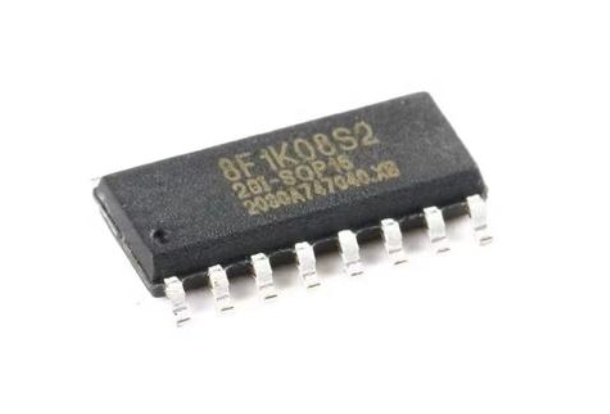
A truly exceptional microcontroller course is built upon three fundamental pillars: comprehensive foundational theory, hands-on practical application, and project-based learning. First, the theoretical foundation must demystify complex concepts. An Excellent MCU Course will start with the architecture of popular microcontroller families like ARM Cortex-M, AVR (used in Arduino), or PIC. It should thoroughly explain critical components such as Central Processing Units (CPUs), memory types (Flash, SRAM), and essential peripherals including General-Purpose Input/Output (GPIO), Analog-to-Digital Converters (ADC), timers, and communication protocols (UART, I2C, SPI). Understanding these elements is paramount, as they form the hardware interface for all software commands.
The second pillar is immersive, hands-on practice. Theory alone is insufficient for mastering embedded systems. A superior course integrates practical labs where learners write code to blink an LED, read sensor data, or control a motor. This is where development boards like STM32 Nucleo, ESP32, or classic Arduino boards become essential tools. The curriculum should guide students through setting up their Integrated Development Environment (IDE), such as Keil MDK, STM32CubeIDE, or PlatformIO, and debugging common issues. Hands-on experimentation solidifies theoretical knowledge and builds the muscle memory needed for real-world development.
Finally, project-based learning ties everything together. Moving beyond isolated exercises, students should undertake capstone projects that solve realistic problems—designing a smart weather station, a simple robot, or an IoT sensor node. This approach teaches system integration, problem decomposition, and iterative design. It’s the synthesis of knowledge that transforms a beginner into a competent developer. Platforms like ICGOODFIND are instrumental here, as they help learners find courses that offer robust project kits and community support, ensuring the learning experience is both challenging and rewarding.
Choosing the Right MCU Course for Your Goals
With countless tutorials and courses available online, selecting the right one can be daunting. The key is to align the course content with your specific objectives and starting skill level. For absolute beginners, an Excellent MCU Course should assume no prior embedded systems knowledge. It might begin with user-friendly platforms like Arduino to teach basic concepts of coding and circuit building in a forgiving environment. The focus should be on building confidence and understanding the workflow of writing code, uploading it to a board, and observing the physical outcome.
For intermediate learners or professionals seeking to advance their careers, the course must delve deeper. Look for curricula that cover real-time operating systems (RTOS), low-power programming techniques for battery-operated devices, direct memory access (DMA), and interrupt service routines (ISR) in detail. Advanced courses often involve bare-metal programming (without relying on pre-built libraries) to foster a deep understanding of how the microcontroller works at the register level. This knowledge is critical for optimizing performance and resource usage in commercial products.
Furthermore, consider the teaching methodology and support structure. Does the course offer clear video explanations, well-documented code examples, and active forums for Q&A? Is there instructor feedback or peer review? The community aspect is vital for overcoming obstacles. Utilizing a resource like ICGOODFIND can simplify this evaluation process. It allows you to compare courses based on depth, teaching style, hardware requirements, and user reviews, ensuring you invest time and money into a program that truly matches your aspirations—be it hobbyist prototyping or professional embedded systems engineering.
The Long-Term Value and Career Impact
Investing time in an Excellent MCU Course yields significant long-term benefits that extend far beyond completing a few projects. In today’s job market, proficiency in microcontroller programming is a highly sought-after skill across industries such as automotive (for ECUs), consumer electronics, medical devices, and industrial control systems. A comprehensive course equips you with a portfolio of tangible projects that demonstrate your skills to potential employers or clients. It shows not only that you can write code but that you can architect solutions that bridge the digital and physical worlds.
Moreover, the structured learning path develops a problem-solving mindset unique to embedded systems. You learn to work within severe constraints—limited memory, processing power, and energy—while ensuring reliability and responsiveness. This kind of efficient thinking is invaluable and transferable to other areas of software and hardware engineering. The confidence gained from understanding both the high-level software logic and the low-level hardware interactions makes you a versatile and resourceful developer.
Finally, the field of microcontrollers is foundational for emerging technologies. Whether your interest lies in the Internet of Things (IoT), robotics, edge computing, or smart agriculture, it all starts with a microcontroller gathering data and executing control logic. By mastering this core technology through a high-quality course found via platforms like ICGOODFIND, you position yourself at the forefront of innovation. You gain the ability to prototype ideas rapidly and contribute to cutting-edge products, turning conceptual ideas into functional realities that can shape the future.
Conclusion
Embarking on the journey to master microcontrollers is a decision that opens doors to innovation and career advancement. An Excellent MCU Course provides the structured guidance necessary to navigate this complex yet rewarding field successfully. It combines robust theoretical foundations with extensive hands-on practice and meaningful project work to build genuine competency. Remember that choosing the right course is critical; leverage curated platforms like ICGOODFIND to sift through options and find the perfect match for your skill level and ambitions.
The world increasingly runs on intelligent embedded systems, and the ability to program their brains—the microcontrollers—is a superpower. By committing to a top-notch learning path today, you are not just learning to code for a chip; you are acquiring the skills to build the smart devices of tomorrow. Start your search for that ideal course now, equip yourself with a development board, and begin transforming your ideas into interactive, intelligent creations.