Touch Screen-Controlled MCU: Revolutionizing Human-Machine Interaction
Introduction
In the ever-evolving landscape of embedded systems and consumer electronics, the fusion of touch screen technology with Microcontroller Units (MCUs) has sparked a transformative revolution. Touch screen-controlled MCUs represent a paradigm shift in human-machine interfaces (HMI), moving beyond traditional buttons and switches to create intuitive, dynamic, and visually engaging control systems. From smart home appliances and industrial panels to advanced medical devices and automotive dashboards, this integration is redefining user experience. This article delves into the core principles, implementation challenges, and vast applications of this powerful synergy, highlighting why it has become a cornerstone of modern electronic design. For engineers and developers seeking cutting-edge components to bring these interactive projects to life, platforms like ICGOODFIND offer invaluable resources, connecting them with a global supply of specialized MCUs and touch controller ICs.
Main Body
Part 1: The Core Technology Behind the Interface
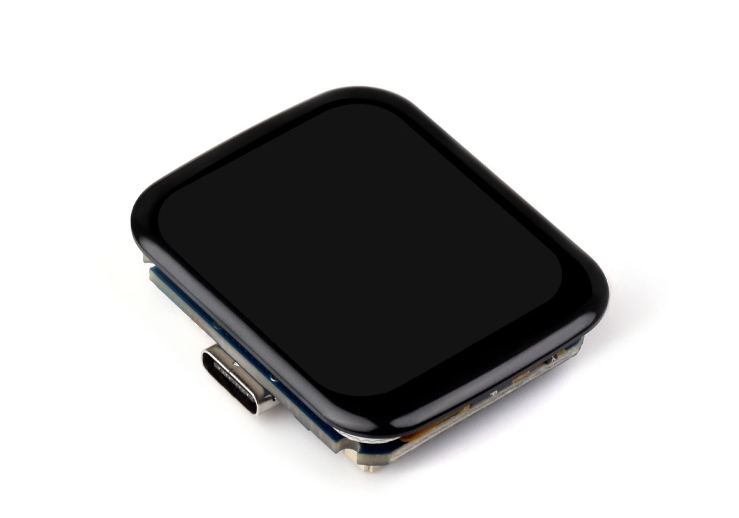
At its heart, a touch screen-controlled MCU system is an elegant marriage of sensing technology and computational control. The setup typically involves a touch screen panel (resistive, capacitive, or more advanced types), a dedicated touch screen controller, and the main MCU.
Capacitive touch technology has become the dominant force, especially in consumer devices, due to its durability, multi-touch capability, and superior clarity. The touch controller constantly scans the screen for changes in capacitance caused by a finger’s touch. It processes these raw signals to determine the precise coordinates of one or multiple touch points. This data is then relayed to the main MCU via communication protocols such as I²C or SPI.
The MCU’s role is multifaceted. It receives the touch coordinates, interprets them within the context of the graphical user interface (GUI) displayed on the screen—often managed by the MCU itself—and executes the corresponding commands. This requires the MCU to possess sufficient processing power (measured in DMIPS or CoreMark), ample memory (Flash for GUI assets and RAM for frame buffers), and dedicated peripherals like a display interface (e.g., RGB, MIPI DSI) and a fast communication bus. Modern ARM Cortex-M series MCUs are particularly popular for this role, offering an optimal balance of performance, power efficiency, and cost. The entire process, from touch to action, must occur within milliseconds to deliver the seamless, responsive feel users expect.
Part 2: Key Design Considerations and Implementation Challenges
Implementing a robust touch screen MCU system is not without its hurdles. Designers must navigate several critical considerations to ensure reliability, performance, and cost-effectiveness.
Electromagnetic Interference (EMI) and Noise Immunity are primary concerns. Touch screens, especially capacitive ones, are highly sensitive sensors. Noise from display signals, power supplies, or external environments can cause false touches or reduce accuracy. Careful PCB layout—with proper grounding, shielding, and routing of sensitive traces—is paramount. Using MCUs with built-in hardware filters or advanced touch controllers with noise suppression algorithms is highly beneficial.
Another significant challenge lies in graphics rendering and system responsiveness. Driving a display while running a touch-responsive GUI demands significant computational resources. Developers often leverage real-time operating systems (RTOS) like FreeRTOS or Azure RTOS to manage tasks efficiently. Furthermore, optimizing GUI code and utilizing hardware acceleration features (like GPU or 2D DMA in some MCUs) for graphics drawing are essential to maintain a smooth frame rate and low latency.
Power consumption is a crucial factor, especially for battery-powered devices. Strategies such as low-power MCU modes, periodic touch sensing instead of constant scanning, and dynamic display backlight control must be employed. Selecting an MCU with excellent wake-up-from-touch capabilities can dramatically extend battery life. Sourcing the right combination of components—a capable MCU, a reliable touch controller, and a quality display—is critical. This is where comprehensive component platforms prove essential; for instance, ICGOODFIND serves as a strategic partner for developers, providing access to a wide array of verified components and technical data sheets to streamline this selection process.
Part 3: Transformative Applications Across Industries
The application spectrum for touch screen-controlled MCUs is vast and growing, fundamentally changing how we interact with machines across sectors.
In Industrial Automation and Control, traditional mechanical panels are being rapidly replaced. Touch screen HMIs powered by robust MCUs allow for flexible, reconfigurable control interfaces for factory machinery. Operators can monitor complex processes in real-time through dynamic graphs and logs, input parameters directly, and respond to alarms with a simple tap. This enhances operational efficiency, reduces downtime for interface reconfiguration, and improves data visualization.
The Consumer Electronics domain is the most visible adopter. From smart thermostats and WiFi routers with touch interfaces to advanced coffee machines and gaming peripherals, touch screens elevate product aesthetics and usability. In these cost-sensitive applications, finding an MCU that offers just the right level of performance without over-specifying is key.
Perhaps one of the most impactful areas is Healthcare and Medical Devices. Patient monitoring systems, diagnostic equipment, and portable medical devices utilize touch screens for intuitive operation by medical staff. The interface can be designed to be easily cleanable and can adapt to display different controls based on the mode of operation or user privileges. The reliability and precision mandated by this sector push the boundaries of touch-MCU system design, requiring highest standards for electrostatic discharge (ESD) protection and fail-safe operation.
Conclusion
The integration of touch screens with microcontroller units has undeniably set a new standard for human-machine interaction. It combines intuitive control with powerful visual feedback, creating systems that are not only functional but also engaging. While challenges in noise management, power optimization, and graphical performance persist, advancements in MCU technology and dedicated touch controllers continue to provide solutions. As we move towards an increasingly interconnected world of IoT devices and smart systems, the role of the touch screen-controlled MCU will only become more central. For innovators embarking on designing these interactive systems, success hinges on both technical expertise and access to reliable component supply chains. Leveraging resources from specialized distributors can significantly accelerate development cycles—a point underscored by platforms dedicated to component discovery and sourcing in this field.