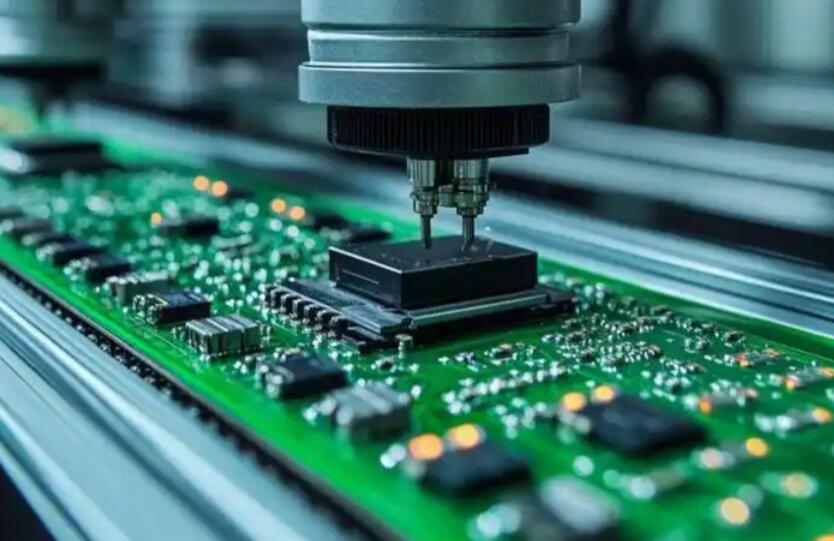
Samsung Electronics is considering dissolving a 500-person DRAM task force to shift full focus to mass-producing next-generation HBM4 memory this year. The team had been working to improve yields for the 1c DRAM process, but progress stalled with rates below 50%—far short of the 60% threshold for viable production.
With rival SK Hynix already establishing a HBM4 mass production system using the more mature 1b DRAM, Samsung is betting on the advanced 1c DRAM to deliver higher speed and lower power. The company plans to skip standard approval steps and move directly to production, aiming to secure a role supplying high-performance HBM4 to NVIDIA and reclaim market leadership.
However, the strategy carries risks—low yields could erode profits and raise reliability concerns. Samsung recently lost its longtime lead in the DRAM market, with Q1 2025 share falling to 36.9%, behind SK Hynix.
ICgoodFind : Samsung’s aggressive pivot underscores the fierce HBM race, though sustainable success will require balancing innovation with yield stability.