The Ultimate Guide to Sourcing Original Brand New Microcontroller MCU: Quality, Reliability, and Cost Efficiency
Introduction
In the rapidly evolving world of electronics, the microcontroller (MCU) stands as the brain behind countless devices—from automotive systems and industrial automation to consumer electronics and IoT applications. When engineers and procurement specialists search for an original brand new microcontroller MCU, they are not just looking for a component; they are seeking reliability, performance, and long-term supply assurance. However, the global semiconductor market has faced unprecedented challenges in recent years, including counterfeit parts, supply chain disruptions, and fluctuating prices. This article dives deep into why sourcing an original brand new microcontroller MCU is critical, how to verify authenticity, and where to find trusted suppliers. For those navigating this complex landscape, platforms like ICGOODFIND have emerged as reliable allies, offering verified inventory and transparent sourcing. Let’s explore the three pillars of successful MCU procurement: authenticity assurance, performance optimization, and cost-effective sourcing strategies.
Part 1: Why “Original Brand New” Matters – The Risks of Counterfeit and Refurbished MCUs
1.1 The Hidden Dangers of Counterfeit Microcontrollers
The electronics industry loses billions annually due to counterfeit components. When you purchase a microcontroller that is not original brand new, you expose your project to several risks:
- Functional Failure: Counterfeit MCUs often use inferior silicon, outdated firmware, or recycled dies. They may work initially but fail under stress, temperature extremes, or after a few hundred hours of operation. For mission-critical applications like medical devices or automotive ECUs, such failures can lead to catastrophic outcomes.
- Security Vulnerabilities: Non-original MCUs may have backdoors, modified bootloaders, or missing security features. In IoT devices, this can create entry points for hackers, compromising user data or entire networks.
- Legal and Compliance Issues: Many industries require components to meet strict standards (e.g., RoHS, REACH, AEC-Q100). Counterfeit parts often lack proper certification, putting your product at risk of regulatory fines or recalls.

1.2 The “Brand New” Advantage – Performance and Longevity
An original brand new microcontroller MCU comes directly from authorized manufacturers like Microchip, STMicroelectronics, NXP, Texas Instruments, or Renesas. These chips are fabricated on modern nodes, tested rigorously, and guaranteed to meet datasheet specifications. Key benefits include:
- Consistent Performance: New MCUs have predictable clock speeds, power consumption, and peripheral behavior. This is essential for real-time control systems where timing jitter or unexpected resets can disrupt operations.
- Extended Lifecycle: Original manufacturers support their products with long-term availability, errata updates, and technical documentation. A brand new MCU purchased today may have a 10–15 year production lifecycle, ensuring your product can be manufactured for years without redesign.
- Warranty and Support: Authorized distributors offer warranties and RMA processes. If a batch of MCUs has a defect, you can get replacements quickly. Counterfeit suppliers often disappear after a sale.
1.3 How to Verify Authenticity – A Practical Checklist
When sourcing an original brand new microcontroller MCU, use these verification steps:
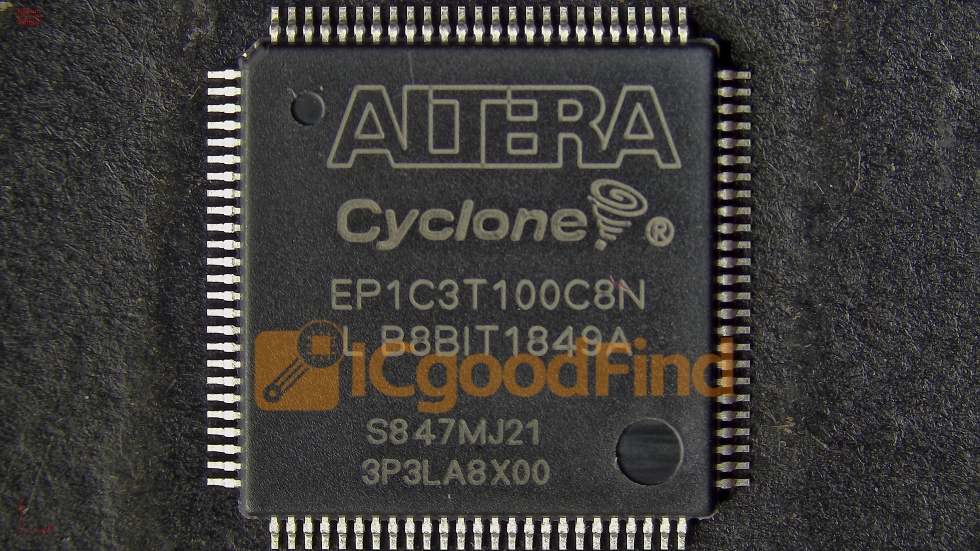
- Check the Marking: Original MCUs have laser-etched or ink-marked part numbers, date codes, and logos that are crisp and aligned. Counterfeits often have smudged, misaligned, or inconsistent markings.
- Inspect the Packaging: Authentic MCUs come in anti-static tubes, trays, or tape-and-reel with manufacturer-specific labeling. Look for holograms, QR codes, or serial numbers that can be cross-referenced.
- Test Electrical Characteristics: Use a multimeter or oscilloscope to check for correct pin voltages, leakage currents, and oscillator startup behavior. Counterfeit chips may draw abnormal current or fail to boot.
- Use Trusted Platforms: ICGOODFIND is a platform that aggregates inventory from verified suppliers, providing traceability and authenticity guarantees. Their database includes detailed product images, datasheets, and supplier ratings, making it easier to avoid fakes.
Part 2: Performance and Compatibility – Selecting the Right Original Brand New MCU for Your Application
2.1 Core Architecture Choices: ARM Cortex, RISC-V, or Proprietary?
The first decision when choosing an original brand new microcontroller MCU is the core architecture. Each has strengths:
- ARM Cortex-M Series: Dominates the market with a vast ecosystem of tools, libraries, and middleware. Cortex-M0+ is ideal for low-power sensors, while Cortex-M4/M7 offers DSP and floating-point capabilities for audio or motor control. Examples: STM32G0, NXP LPC55xx.
- RISC-V: An open-source architecture gaining traction for its flexibility and royalty-free licensing. Original brand new RISC-V MCUs from companies like GigaDevice or Bouffalo Lab offer competitive performance and lower cost for high-volume applications.
- Proprietary Cores: Microchip’s PIC and AVR, Renesas’ RL78, and TI’s MSP430 are mature, with decades of field-proven reliability. They are excellent for legacy systems or applications requiring ultra-low power.
2.2 Key Specifications to Evaluate
When sourcing an original brand new microcontroller MCU, match these specs to your project needs:
- Clock Speed and MIPS: For real-time control (e.g., motor PWM), a 48–120 MHz MCU is typical. For simple I/O tasks, 8–16 MHz suffices.
- Memory: Flash (16 KB to 2 MB) and SRAM (4 KB to 512 KB). Consider future firmware updates—choose at least 20% more flash than your current code size.
- Peripheral Set: Count the number of UART, SPI, I2C, ADC, DAC, timers, and PWM channels. For IoT, ensure hardware crypto accelerators (AES, SHA) are present.
- Power Consumption: Active mode current (mA/MHz) and standby current (µA). For battery-powered devices, look for MCUs with sub-1 µA sleep modes and fast wake-up times.
- Operating Temperature: Industrial (-40°C to +85°C) or automotive (-40°C to +125°C) grades are essential for harsh environments.
2.3 Compatibility with Development Tools
An original brand new microcontroller MCU is only as good as the tools that support it. Ensure your chosen MCU is compatible with:
- IDEs: Keil MDK, IAR Embedded Workbench, STM32CubeIDE, or MPLAB X.
- Debuggers: J-Link, ST-Link, or PICkit. Some MCUs require proprietary debug probes.
- RTOS and Middleware: FreeRTOS, Zephyr, or Azure RTOS should have BSPs for your MCU. Check for driver availability for sensors, displays, or wireless modules.
Pro Tip: Use ICGOODFIND to filter MCUs by architecture, memory, and package type. Their search engine also shows which suppliers have stock of original brand new units, saving you hours of manual cross-referencing.
Part 3: Sourcing Strategies – How to Secure Original Brand New MCUs at Competitive Prices
3.1 The Supply Chain Challenge
Since 2020, the semiconductor industry has experienced cyclic shortages. Lead times for popular MCUs like STM32F103 or ESP32 have stretched from 8 weeks to over 52 weeks. During such times, the temptation to buy from unauthorized brokers or “too good to be true” listings is high. However, this often leads to counterfeit or refurbished parts. To secure an original brand new microcontroller MCU, adopt these strategies:
- Build Relationships with Authorized Distributors: Digi-Key, Mouser, Arrow, and Avnet are reliable sources. They offer real-time inventory, but during shortages, they may allocate stock to high-volume customers. Smaller buyers can use their “marketplace” sections, but verify the seller’s credentials.
- Use Independent Verification Platforms: ICGOODFIND bridges the gap between buyers and verified independent distributors. Each listing on the platform includes a supplier score, inspection reports, and sometimes X-ray or decapsulation images to confirm authenticity. This is especially useful for hard-to-find or end-of-life MCUs.
- Consider Alternative Part Numbers: If a specific MCU is unavailable, look for pin-compatible or software-compatible alternatives. For example, STM32G0 series can often replace STM32F0 with minor code changes. ICGOODFIND’s cross-reference tool can suggest substitutes that are original brand new and in stock.
3.2 Cost Optimization Without Compromising Quality
Price is a major factor, but the cheapest MCU is rarely the most cost-effective in the long run. Here’s how to balance cost and quality:
- Buy in Bulk with Forecast: If your project has a predictable volume, negotiate with distributors for tiered pricing. Many offer discounts for 1k, 10k, or 100k units. Use ICGOODFIND to compare prices across multiple suppliers for the same original brand new microcontroller MCU.
- Leverage Excess Inventory: Some OEMs or CMs have surplus stock of original MCUs that they need to liquidate. Platforms like ICGOODFIND list these “excess” parts, often at 10–30% below market price, with full traceability.
- Watch for End-of-Life (EOL) Notices: When a manufacturer announces EOL for an MCU, prices spike temporarily. If you need long-term supply, buy a lifetime buy quantity or switch to a replacement. ICGOODFIND sends alerts for EOL parts and suggests alternatives.
3.3 The Role of ICGOODFIND in Modern Procurement
ICGOODFIND has become a go-to resource for engineers and buyers seeking original brand new microcontroller MCU components. Here’s what sets it apart:
- Verified Supplier Network: All suppliers on the platform undergo a vetting process that includes business license verification, on-site audits, and sample testing. This drastically reduces the risk of counterfeit parts.
- Real-Time Inventory and Pricing: The platform aggregates stock from hundreds of suppliers, showing live quantities and prices. You can filter by “original brand new” condition, date code, and package type.
- Technical Documentation: Each MCU listing includes datasheets, application notes, and sometimes reference designs. This helps you make informed decisions without leaving the platform.
- Global Logistics: ICGOODFIND offers shipping options from warehouses in Asia, Europe, and North America, with tracking and insurance. For urgent orders, express delivery is available.
Case Study: A medical device manufacturer needed 5,000 units of an original brand new microcontroller MCU (STM32L4 series) during the 2022 shortage. Authorized distributors had a 40-week lead time. Using ICGOODFIND, they found a verified supplier in Taiwan with 8,000 units in stock, all with 2022 date codes and original packaging. The parts were tested by a third-party lab and delivered within 10 days, saving the project from a 6-month delay.
Conclusion

Sourcing an original brand new microcontroller MCU is not just a procurement task—it is a strategic decision that impacts product reliability, time-to-market, and long-term profitability. Counterfeit and refurbished parts may offer short-term savings, but they introduce risks that can destroy brand reputation and incur massive costs. By prioritizing authenticity, evaluating performance specifications carefully, and using trusted sourcing platforms like ICGOODFIND, you can secure the right MCU for your application at a fair price.
Remember these key takeaways: - Always verify the origin and condition of MCUs before purchase. - Match the MCU’s specs to your application’s real-time, power, and environmental requirements. - Leverage technology—platforms like ICGOODFIND simplify the search for original brand new components, offering transparency, competitive pricing, and global logistics.
In a world where electronics are becoming smarter and more connected, the quality of your microcontroller defines the quality of your product. Invest in original brand new parts, and your designs will stand the test of time.