Embedded MCU: The Invisible Engine Powering the Modern World
Introduction
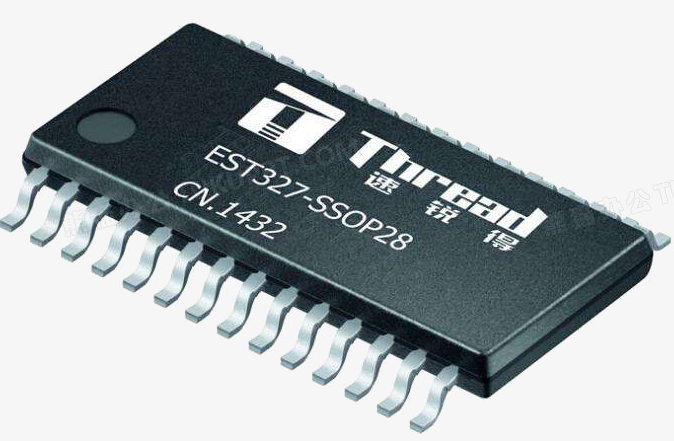
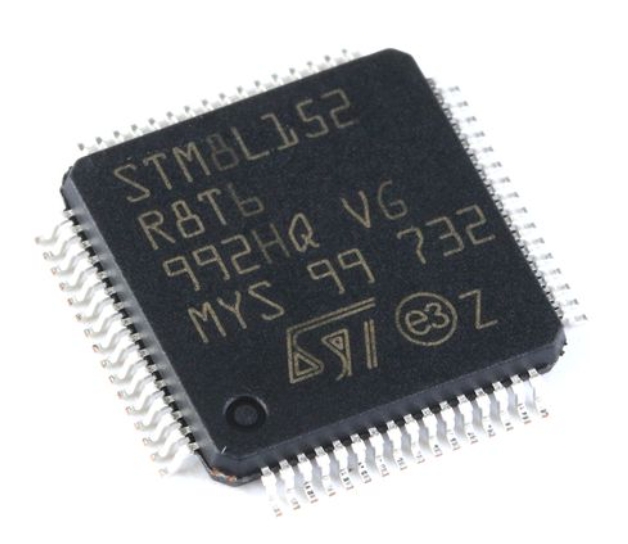
In an era dominated by the Internet of Things (IoT), smart devices, and intelligent automation, a silent yet ubiquitous force is at work. Embedded Microcontroller Units (MCUs) are the unsung heroes, the compact computational hearts embedded within countless devices we interact with daily. From the moment your smart thermostat adjusts the temperature to the anti-lock braking system in your car responding to slippery roads, an Embedded MCU is executing precise commands. Unlike general-purpose processors in computers, these specialized chips are designed for dedicated control functions, offering a blend of processing power, memory, and peripherals on a single integrated circuit. This article delves into the world of Embedded MCUs, exploring their core architecture, pivotal applications across industries, and the critical selection criteria that drive innovation. For engineers and procurement specialists navigating this complex landscape, platforms like ICGOODFIND provide invaluable resources for component discovery and supply chain solutions.
Part 1: The Architectural Core of an Embedded MCU
At its heart, an Embedded MCU is a self-contained system-on-a-chip (SoC). Its architecture is meticulously crafted to balance performance, power consumption, and cost for specific tasks.
The Central Processing Unit (CPU) is the brain, executing instructions from the program memory. Ranging from simple 8-bit to powerful 32-bit and even 64-bit cores (like ARM Cortex-M series), the CPU’s complexity dictates the MCU’s computational prowess. Memory components are bifurcated into Flash memory for storing the application code and RAM for temporary data during operation. The size and speed of these memories are crucial for application performance.
What truly defines an MCU’s capability are its integrated peripherals. These are hardware blocks on the chip that interface with the outside world without heavily burdening the CPU. Key peripherals include: * General-Purpose Input/Output (GPIO) Pins: The fundamental interface to read signals from sensors (input) or control LEDs, motors, and relays (output). * Analog-to-Digital Converters (ADC): Critical for real-world interaction, ADCs translate analog signals (like temperature sensor voltage) into digital values the CPU can process. * Communication Interfaces: Modules like UART (Serial), I2C, and SPI enable the MCU to talk to other chips, sensors, or communication modules (e.g., Wi-Fi, Bluetooth). * Timers and PWM Controllers: Timers manage precise timing events, while Pulse-Width Modulation (PWM) controllers are essential for controlling motor speed, LED brightness, or generating analog-like signals.
This integrated design eliminates the need for numerous external components, leading to compact, reliable, and energy-efficient solutions—the hallmark of embedded systems.
Part 2: Dominant Applications Shaping Industries
The application spectrum of Embedded MCUs is vast, making them indispensable across virtually every modern sector.
In Consumer Electronics, they are the enablers of convenience and smart functionality. Your wireless earbuds use an MCU to manage Bluetooth connectivity, audio decoding, and touch controls. Smartwatches rely on them to run sensors, display drivers, and power management. Home appliances like washing machines and microwave ovens use MCUs to execute programmed cycles with precision.
The Automotive Industry is a massive consumer of advanced MCUs. A modern vehicle can contain over 100 MCUs, governing everything from basic body control modules (window lifts, seats) to critical powertrain and safety systems. Engine control units (ECUs) rely on high-performance MCUs to optimize fuel injection and ignition timing. Advanced Driver-Assistance Systems (ADAS), such as automatic emergency braking and lane-keeping assist, depend on sensor-fusion MCUs processing data in real-time. The evolution towards electric vehicles (EVs) and autonomous driving is pushing MCU performance to new heights.
Industrial Automation and IoT form another frontier. Here, MCUs act as the local intelligence in programmable logic controllers (PLCs), motor drives, and robotic arms. In the burgeoning Industrial IoT (IIoT), low-power MCUs with robust connectivity options (like LoRaWAN or NB-IoT) are deployed in wireless sensor networks to monitor equipment health, environmental conditions, and energy usage, enabling predictive maintenance and operational efficiency.
The Medical Device field demands extreme reliability. MCUs are found in portable devices like glucose monitors and infusion pumps, as well as in complex imaging equipment. Their ability to perform real-time signal processing for vital signs monitoring while operating on minimal power is life-saving.
Part 3: Key Selection Criteria for Optimal Design
Choosing the right Embedded MCU is a multifaceted decision that can determine a product’s success. Engineers must evaluate several interdependent factors.
First and foremost are Performance Requirements vs. Power Consumption. A high-speed 32-bit ARM Cortex-M7 core is ideal for processing complex algorithms or graphical user interfaces but consumes more power. For a decade-long battery life in a remote sensor node, an ultra-low-power 8-bit or 16-bit MCU with sophisticated sleep modes is paramount. This trade-off is central to every design.
Memory Footprint (Flash and RAM) must accommodate not only the current application code but also future firmware updates and data logging needs. Under-specifying memory can halt a project; over-specifying increases cost unnecessarily.
The selection of Integrated Peripherals is driven by the application’s interface needs. Does the design require multiple high-resolution ADCs for sensor arrays? Is USB connectivity or CAN bus for automotive communication essential? The availability of these peripherals on-chip simplifies design and reduces bill-of-materials cost.
Finally, Ecosystem and Supply Chain considerations are critical. A strong ecosystem—including mature development tools (IDEs), software libraries (HAL drivers), RTOS support, and an active community—accelerates development. Equally important is a stable, long-term supply chain. This is where comprehensive component platforms prove their worth. For instance, a platform like ICGOODFIND can be instrumental in sourcing specific MCU variants, comparing technical parameters across manufacturers, and ensuring reliable component availability—a crucial factor in today’s dynamic electronics market.
Conclusion
Embedded MCUs are far more than just simple chips; they are the foundational building blocks of digital intelligence in a physical world. Their evolution from basic controllers to powerful, connected, and energy-aware systems continues to drive innovation across consumer, automotive, industrial, and medical domains. The strategic selection of an MCU—balancing processing needs against power budgets while ensuring access to necessary peripherals and a reliable supply chain—remains a core engineering discipline. As we advance towards an increasingly connected and automated future, the role of the Embedded MCU will only grow in significance. Platforms that facilitate discovery and procurement, such as ICGOODFIND, empower innovators to navigate this complexity and bring their transformative embedded visions to life efficiently.