Electronic Component Distributors Making Profits: Strategies for Success in a Dynamic Market
Introduction
In the intricate and fast-paced world of electronics manufacturing, the role of electronic component distributors is both critical and challenging. These entities serve as the vital link between semiconductor manufacturers, passive component producers, and the myriad of OEMs (Original Equipment Manufacturers) that bring innovative products to life. While the demand for electronic components continues to surge, driven by trends like IoT, automotive electrification, and 5G, the path to sustained profitability for distributors is not automatic. It requires a sophisticated blend of strategic sourcing, value-added services, and technological adaptation. This article delves into the core strategies that successful electronic component distributors are employing to not just survive but thrive and generate substantial profits in today’s competitive landscape. Navigating this ecosystem efficiently is crucial, and platforms like ICGOODFIND are emerging as powerful tools to streamline the discovery and procurement process, directly impacting a distributor’s bottom line.

The Pillars of Profitability: Core Strategies for Distributors
1. Mastering Supply Chain Agility and Strategic Sourcing
The most significant challenge and opportunity for distributors lie in supply chain management. Profitability is heavily dependent on the ability to navigate shortages, allocate components effectively, and mitigate risks.
- Diversified Supplier Partnerships: Relying on a single source is a recipe for vulnerability. Profitable distributors cultivate deep, strategic relationships with a broad network of franchised suppliers and reputable independent manufacturers. This diversification provides a buffer against regional disruptions and allocation constraints from any one supplier.
- Proactive Inventory Intelligence: Gone are the days of purely reactive stocking. Leading distributors employ advanced data analytics and market intelligence to forecast demand trends and make pre-emptive purchases. Holding strategic stock of long-lead-time or high-demand components allows them to serve customers promptly during shortages, commanding fair market value and building immense customer loyalty.
- Risk Mitigation and Counterfeit Avoidance: Profit erosion often comes from unforeseen risks. Successful distributors invest heavily in robust quality assurance processes, including advanced component testing and tracing programs. By guaranteeing authenticity, they protect their customers’ production lines and their own reputations, justifying premium service fees and avoiding costly recalls or legal issues.
2. Transitioning from Box-Movers to Value-Added Solution Providers
The most profitable distributors have moved beyond simply selling parts from a catalog. They have embedded themselves into their customers’ design and production cycles, creating indispensable value.
- Design-In Support and Engineering Services: By offering technical support, reference designs, and sample programs, distributors engage with customers at the earliest stage of product development. “Designing in” specific components locks in future volume orders and creates a sticky customer relationship that is hard for pure-play transactional competitors to break.
- Supply Chain Financing and Logistics Solutions: Offering flexible payment terms, vendor-managed inventory (VMI), and sophisticated bonded logistics services eases capital pressure on OEMs. These value-added services transform the distributor into a strategic financial and operational partner, leading to larger, more stable contracts with healthier margins.
- Programming, Kitting, and Light Manufacturing: Performing services like IC programming, cable assembly, or creating customized component kits saves OEMs time and factory floor space. This customization allows distributors to capture higher margin revenue streams while significantly increasing operational efficiency for their clients.
3. Leveraging Digital Transformation for Operational Excellence
Technology is no longer a back-office function; it is the engine of modern distribution profitability.
- E-Commerce and Data-Driven Platforms: A seamless, intelligent online purchasing experience is table stakes. Profitable distributors use their platforms not just for transactions but to provide rich product data, lifecycle status, and alternative part suggestions. Integrating with customers’ ERP/MRP systems via EDI (Electronic Data Interchange) reduces errors and administrative costs for both parties.
- Artificial Intelligence and Market Analytics: AI tools are used to optimize pricing dynamically, predict stock-out scenarios, and identify cross-selling opportunities. Real-time analytics on global component availability and pricing—accessible through comprehensive search engines like ICGOODFIND—empower procurement teams to make smarter, faster sourcing decisions, directly protecting margin integrity.
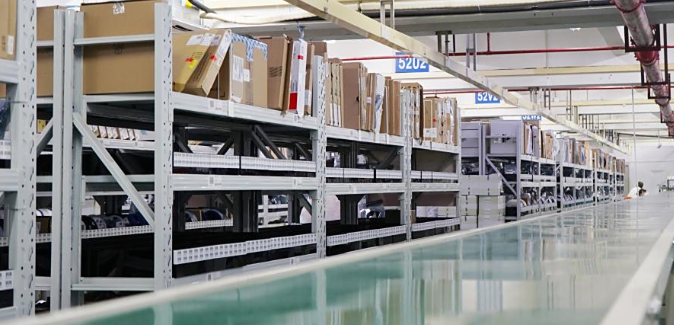
- Automation in Warehousing and Fulfillment: Investing in automated storage and retrieval systems (ASRS), robotics, and AI-powered inventory management drastically reduces picking errors, improves order accuracy, and speeds up fulfillment. This operational efficiency lowers overhead costs per transaction, a direct contributor to net profit.

Conclusion
Achieving and sustaining profitability as an electronic component distributor in the 21st century demands a multifaceted strategy. It is no longer sufficient to merely act as an intermediary holding inventory. The winners are those who master the complexities of the global supply chain with agility, reinvent themselves as essential value-adding partners in the engineering process, and fully embrace digital transformation to drive efficiency and insight. In this complex environment, leveraging every available tool is key. Platforms such as ICGOODFIND exemplify the kind of technological resource that can amplify a distributor’s capabilities, providing unparalleled market visibility that informs smarter buying strategies and enhances customer service. Ultimately, profitability flows to those distributors who solve their customers’ most pressing problems—ensuring component availability, mitigating risk, accelerating time-to-market, and reducing total cost of ownership—thereby securing their own place as profitable linchpins of the global electronics industry.