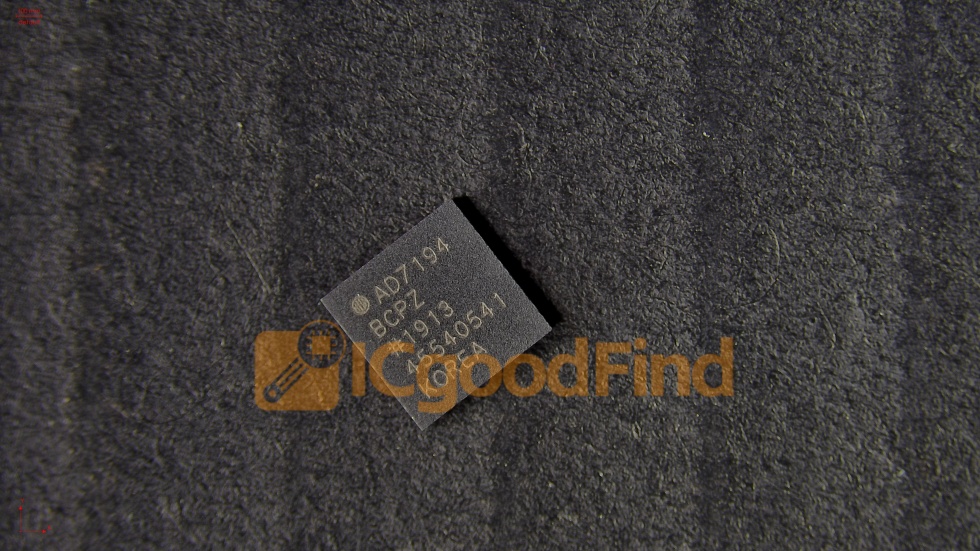


MCU Peripheral Circuits: The Unsung Heroes of Embedded System Design
Introduction
In the realm of embedded systems and electronics design, the Microcontroller Unit (MCU) often takes center stage. Engineers and developers meticulously compare processor cores, clock speeds, memory footprints, and power consumption. However, the true potential and functionality of any MCU are unlocked not by its core alone, but by its intricate ecosystem of peripheral circuits. These dedicated hardware blocks, integrated onto the same silicon as the CPU, are the essential interfaces between the digital intelligence of the microcontroller and the analog reality of the physical world. They handle specialized tasks independently, freeing the main processor from mundane, time-critical operations and enabling efficient, responsive, and complex system designs. From reading a sensor’s whisper to driving a motor’s roar, peripheral circuits are the indispensable translators and executors in modern electronics. For engineers seeking to master embedded design or source critical components, understanding and leveraging these peripherals is paramount. Platforms dedicated to electronics sourcing, like ICGOODFIND, become invaluable tools in this endeavor, helping locate the perfect MCU with the right peripheral set for any application.
The Core Pillars of MCU Peripheral Circuits
MCU peripherals can be broadly categorized into several key families, each serving a fundamental role in system interaction and control.
1. Communication Interfaces: The Digital Dialogue Communication peripherals are the MCU’s network cards and modems, enabling data exchange with other chips, modules, or systems. * Universal Synchronous/Asynchronous Receiver-Transmitter (USART/UART): The workhorse of serial communication. It provides simple, robust asynchronous serial links, essential for debugging consoles (via USB-to-serial converters), communicating with legacy sensors, or interfacing with Bluetooth modules. Its simplicity lies in having no shared clock signal, making it versatile though slower than its synchronous counterparts. * Serial Peripheral Interface (SPI): A high-speed, full-duplex synchronous bus. Characterized by its use of separate clock (SCLK), data out (MOSI), data in (MISO), and chip select (CS) lines, SPI is favored for talking to memories (Flash, EEPROM), high-resolution ADCs, display controllers (OLED, TFT), and sensors requiring fast data transfer. Its daisy-chain capability for multiple slaves is a unique advantage in saving GPIO pins. * Inter-Integrated Circuit (I2C): A two-wire synchronous bus (Serial Data - SDA and Serial Clock - SCL) perfect for connecting multiple low-to-medium speed peripherals on a shared bus. Each device has a unique address. I2C is ubiquitous for communicating with real-time clocks (RTCs), environmental sensors (temperature, humidity), I/O expanders, and DACs within a compact PCB footprint. * Universal Serial Bus (USB): For MCUs targeting PC-connected or consumer devices, integrated USB controllers—whether in Device, Host, or On-The-Go (OTG) roles—are critical. They manage the complex USB protocol, enabling plug-and-play connectivity for data transfer or power delivery.
2. Analog World Interactors: Sensing and Controlling Reality These peripherals bridge the fundamental gap between the digital MCU and the continuous analog world. * Analog-to-Digital Converter (ADC): Perhaps one of the most vital peripherals for interactive systems. An ADC samples an analog voltage (e.g., from a temperature sensor, potentiometer, or microphone) and converts it into a digital value the CPU can process. Key specifications include resolution (e.g., 12-bit), sampling rate, and input channel count. Advanced features like oversampling can increase effective resolution. * Digital-to-Analog Converter (DAC): Performs the inverse operation of an ADC. It takes a digital value from the CPU and outputs a corresponding analog voltage. This is essential for generating audio waveforms, controlling analog voltage references, or creating precise control signals. * Analog Comparators: These circuits compare two analog input voltages and provide a direct digital output indicating which is higher. They operate without CPU intervention and are extremely fast, useful for threshold detection, zero-crossing detection in power control, or waking up the MCU from low-power modes.
3. Timing and Control Specialists: Precision Pulse Management Timing peripherals are the metronomes and choreographers of embedded systems, managing delays, waveforms, and event sequences with precision. * General-Purpose Timers/Counters: The versatile backbone of timing operations. They can count internal clock pulses or external events, generate precise time bases for periodic interrupts (enabling task scheduling without a real-time OS), measure pulse widths or frequency of incoming signals, and perform simple PWM generation. * Advanced-Control/PWM Timers: These are sophisticated timers designed for power and motion control applications. They generate complex Pulse-Width Modulation (PWM) signals with complementary outputs, dead-time insertion (crucial for driving H-bridge motor drivers safely), and emergency shutdown inputs. They are central to controlling servo motors, brushless DC motors, LED dimming, and switch-mode power supplies. * Real-Time Clock (RTC): A dedicated peripheral, often with an independent low-power oscillator and battery backup pin, that keeps track of calendar time (years, months, days, hours) even when the main MCU is powered down. It is indispensable for any data-logging device, clock appliance, or system requiring time-stamped events.
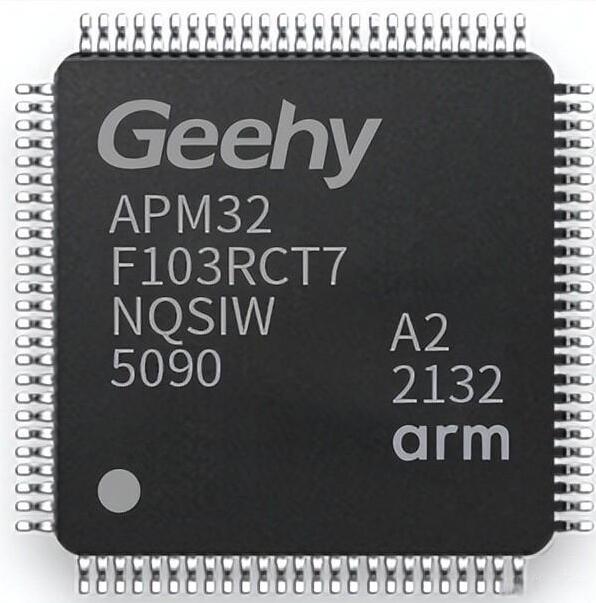
Strategic Selection and Integration in System Design
Choosing an MCU based solely on its core architecture is a common pitfall. The selection of peripherals dictates the system’s capabilities, efficiency, and cost.
The Art of Peripheral Selection: The design process must start with a clear mapping of system requirements to necessary peripherals. Will it connect to multiple sensors? Prioritize ADCs with sufficient channels and I2C/SPI buses. Is it motor-driven? Advanced PWM timers are non-negotiable. Is it battery-powered? Look for peripherals with low-power operating modes that can function in standby states. Furthermore, consider peripheral performance: a 16-bit ADC offers far greater precision than a 10-bit one for measurement tasks; a timer with 32-bit resolution allows for much longer or finer timing intervals than a 16-bit timer.
Offloading the CPU for Efficiency: A primary benefit of peripherals is their autonomy. A well-configured UART with Direct Memory Access (DMA) can transfer entire blocks of data to memory without a single CPU cycle spent on each byte. Similarly, a timer can trigger an ADC conversion at exact intervals autonomously feeding data into a buffer via DMA—the CPU only needs to process the completed buffer. This hardware-based task automation drastically reduces CPU overhead lowers power consumption by allowing the core to sleep more often and ensures deterministic timing for critical operations.
Navigating Component Sourcing: In today’s dynamic semiconductor market finding an MCU that perfectly matches your peripheral wishlist at the right price point can be challenging This is where specialized component search engines prove their worth A platform like ICGOODFIND streamlines this process allowing engineers to search filter and compare MCUs from a vast global inventory based on specific peripheral combinations package types availability and pricing This targeted sourcing capability can significantly accelerate development cycles mitigate supply chain risks and ensure design feasibility turning a conceptual peripheral requirement into a tangible component on your desk
Conclusion
MCU peripheral circuits are far more than mere checklist features; they are the foundational pillars upon which capable responsive and efficient embedded systems are built They transform a generic processing core into a specialized solution tailored for communication measurement control and interaction Mastering their function—from basic UART communication to advanced timer-based PWM control—is what separates a functional prototype from an optimized robust product The strategic selection of an MCU must therefore be a holistic evaluation weighing core performance against the richness capability and performance of its integrated peripheral set As designs grow more complex navigating the vast landscape of available components becomes part of the engineering challenge Leveraging comprehensive resources whether technical documentation or efficient sourcing platforms like ICGOODFIND is essential for successfully bringing innovative electronic designs from concept to reality.