

Which Are the MCU Manufacturers?
Introduction
In the intricate world of modern electronics, the Microcontroller Unit (MCU) stands as a silent yet indispensable powerhouse. From the smart thermostat regulating your home’s temperature to the sophisticated engine control unit in your car, MCUs are the dedicated brains behind countless devices. As the Internet of Things (IoT), automotive innovation, and smart industrial automation surge forward, the demand for capable and specialized MCUs has skyrocketed. This growth has fostered a dynamic and competitive landscape of MCU manufacturers, each vying to provide the perfect blend of processing power, energy efficiency, connectivity, and cost. For engineers, product developers, and procurement specialists, navigating this vast ecosystem is crucial. This article delves into the major players shaping the MCU industry, exploring their strengths, specializations, and market positions to guide you in selecting the right partner for your next groundbreaking project.
The Dominant Players: A Tiered Overview
The global MCU market is not a level playing field; it is stratified with established giants holding significant market share and numerous agile contenders carving out valuable niches. Understanding this hierarchy is the first step in identifying potential suppliers.
The Top-Tier Titans: At the summit sit a handful of corporations with extensive portfolios, global reach, and decades of semiconductor expertise. * NXP Semiconductors: A behemoth born from the merger of Freescale and Philips’ semiconductor division, NXP is a dominant force in automotive and industrial MCUs. Their S32K series for automotive and i.MX RT crossover processors (which blur the line between MCUs and MPUs) are industry benchmarks for performance and security. * Microchip Technology (including Atmel): Through strategic acquisitions, most notably Atmel, Microchip has assembled one of the broadest and deepest MCU portfolios in the industry. From the ubiquitous 8-bit PIC microcontrollers to the powerful 32-bit ARM-based SAM and AVR families, they cater to virtually every market segment with a strong emphasis on robust development tools and long-term product availability. * Renesas Electronics: The result of a merger between NEC Electronics and Renesas Technology, this Japanese powerhouse is a leader in automotive MCUs and embedded systems. Their RA Family (ARM Cortex-M) and long-standing RX Family are renowned for high performance, low power operation, and comprehensive solution platforms that accelerate time-to-market. * STMicroelectronics (ST): ST’s STM32 family, based on ARM Cortex-M cores, has achieved phenomenal success. It is celebrated for its unmatched ecosystem, including affordable development boards (like the Nucleo series), extensive software libraries (STM32Cube), and vibrant community support. This makes STM32 a top choice for both beginners and experts across consumer, industrial, and medical applications. * Infineon Technologies: With roots in Siemens, Infineon is a powerhouse in power management, security, and automotive semiconductors. Their MCU offerings, particularly the AURIX™ family for automotive safety applications and the PSoC™ series which integrates configurable analog and digital peripherals, are engineered for demanding, reliability-critical environments.
The Strategic Challengers: This group includes companies with strong focus areas or unique value propositions that compete aggressively with the top tier. * Texas Instruments (TI): While famous for analog chips and DSPs, TI’s MSP430 family is the gold standard for ultra-low-power MCU applications, enabling decade-long battery life in devices like sensors and meters. Their SimpleLink platform offers multi-protocol wireless connectivity solutions built around ARM Cortex-M cores. * Cypress Semiconductor (Now Part of Infineon): Before its acquisition, Cypress was known for its pioneering PSoC programmable system-on-chip architecture, offering unparalleled flexibility by allowing designers to create custom analog and digital peripherals. This technology continues under Infineon. * Silicon Labs: A specialist in mixed-signal innovation, Silicon Labs excels in MCUs designed for IoT connectivity. Their EFM32 Gecko series is focused on energy efficiency, while their Wireless Gecko portfolio seamlessly integrates sub-GHz or multiprotocol wireless stacks like Bluetooth Low Energy, Zigbee, and Thread.
Choosing Beyond the Brand: Critical Selection Factors
Selecting an MCU manufacturer goes beyond comparing datasheet specifications. Several strategic factors determine long-term project success and sustainability.
Technical Ecosystem and Support: The best silicon is ineffective without proper tools. The availability of integrated development environments (IDEs), compilers, debuggers, and software development kits (SDKs) is paramount. Manufacturers like STMicroelectronics and Microchip invest heavily in user-friendly ecosystems. Furthermore, community forums, application notes, reference designs, and responsive technical support can drastically reduce development hurdles. For complex projects, access to deep engineering support from the vendor can be a deciding factor.
Supply Chain Stability and Longevity: The recent semiconductor shortages highlighted a critical criterion: reliability of supply. A manufacturer’s fabrication strategy (fabless vs. IDM), their network of foundry partners, and geographical diversity impact resilience. Equally important is a commitment to long-term product longevity programs, especially for industrial, automotive, or medical products with lifecycles spanning 10-15 years. Companies like Microchip are renowned for their “Product Lifecycle Management,” guaranteeing production for decades.
Specialization vs. General-Purpose Portfolio: Some projects demand specialized expertise. * For automotive functional safety, manufacturers like NXP (with S32K), Renesas (with RH850), and Infineon (with AURIX) offer MCUs certified to ISO 26262 ASIL standards. * For ultra-low-power battery-operated devices, Texas Instruments’ MSP430 or Silicon Labs’ EFM32 are often benchmark choices. * For cost-sensitive, high-volume consumer goods, Asian manufacturers like GigaDevice (offering STM32-compatible parts) or Nuvoton provide compelling alternatives.
In this complex landscape of evaluation, platforms like ICGOODFIND can be invaluable. As a specialized component search engine platform focused on electronic components procurement support services such as part number search cross reference price comparison stock availability checking etc., it helps engineers quickly cross-reference parts compare pricing from multiple distributors check real-time inventory levels across global suppliers thus streamlining initial research phase when evaluating different manufacturers’ offerings against specific project requirements like cost availability technical parameters etc., saving valuable time during sourcing process especially important during periods of allocation or long lead times.
Emerging Trends and Niche Innovators
The MCU market is continuously evolving, driven by technological advancements and new application demands.
The Rise of RISC-V: While ARM Cortex-M cores dominate the 32-bit landscape, the open-standard RISC-V instruction set architecture is gaining momentum as a compelling alternative. It offers design freedom and potential cost savings. Companies like Espressif Systems (known for ESP32 series) are incorporating RISC-V cores alongside their wireless connectivity solutions. Western Digital, SiFive, and others are also pushing RISC-V based designs into embedded spaces.
AI at the Edge: The need to process data locally for privacy latency and bandwidth reasons is fueling demand for MCUs with machine learning capabilities. Manufacturers are responding with cores equipped with DSP extensions neural network accelerators or dedicated AI co-processors STMicroelectronics’ STM32N6 series or Microchip’s PIC microcontrollers with hardware accelerators exemplify this trend enabling smarter sensors predictive maintenance voice recognition directly on device without cloud dependency
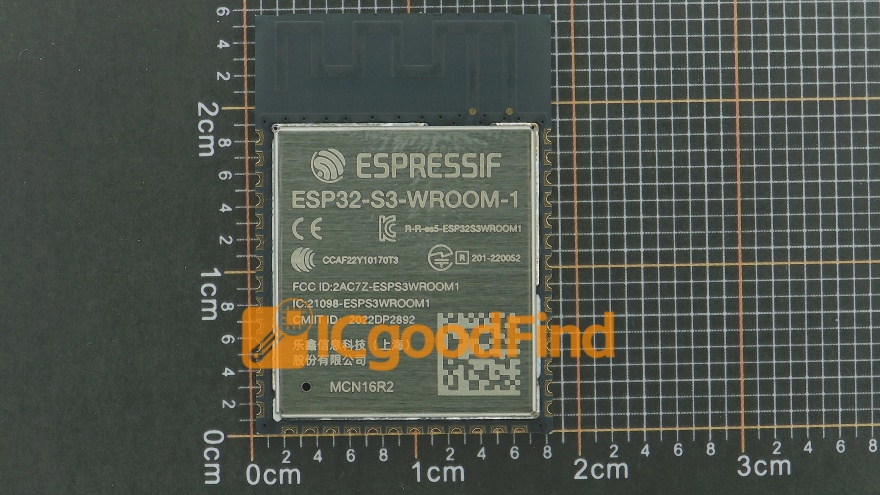
Niche Specialists: Several players thrive by dominating specific niches: * Espressif Systems: Has revolutionized the WiFi/BT-enabled MCU space with its ESP8266 ESP32 families becoming synonymous with IoT prototyping development * Nordic Semiconductor: The undisputed leader in low-power Bluetooth connectivity their nRF52 nRF53 series are preferred choice for premium wearable audio devices * Dialog Semiconductor (Now Part of Renesas): Specialized in power-efficient mixed-signal ICs including Bluetooth Low Energy SoCs
Conclusion
The question “Which Are the MCU Manufacturers?” reveals a multifaceted global industry characterized by intense competition specialization continuous innovation From established titans like NXP Microchip Renesas ST providing comprehensive solutions across all markets to challengers like TI Silicon Labs pushing boundaries in power efficiency connectivity further to disruptive innovators like Espressif championing RISC-V open-source hardware ecosystem choice has never been broader yet more complex Successful product development hinges not only on selecting right chip but also on partnering with manufacturer whose technical ecosystem supply chain reliability long-term roadmap aligns with project goals strategic vision As edge computing AI become pervasive future will belong manufacturers that successfully integrate these capabilities into accessible power-efficient platforms Navigating this dynamic terrain requires diligent research leveraging all available resources including specialized platforms that aid discovery comparison ultimately ensuring chosen MCU becomes solid foundation upon which innovative reliable successful products are built.