In a recent interview, ASML CEO Christophe Fouquet stated that the lithography equipment sold by the company to customers in China is "eight generations behind" the latest High-NA EUV technology. This admission underscores the significant technological gap and the export control challenges facing China's access to cutting-edge chipmaking tools.
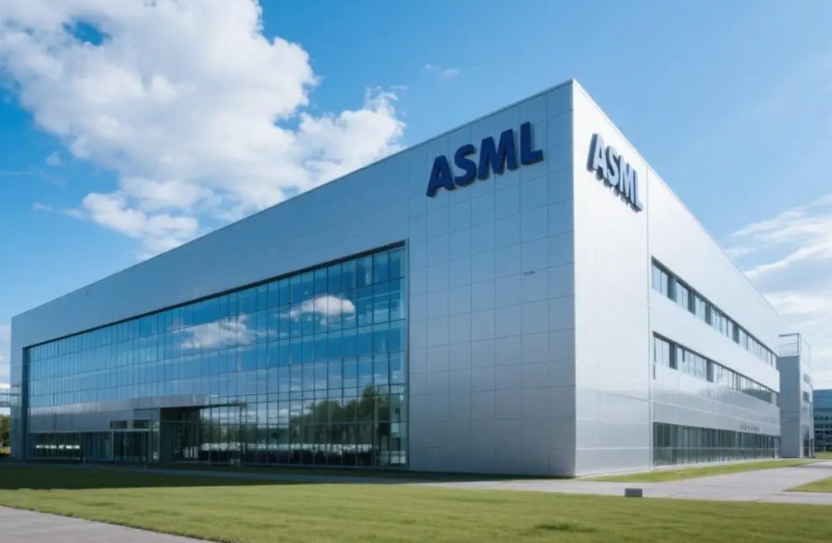
The statement highlights a stark shift. China was once ASML's largest market. However, under international export controls, the sale of its most advanced Extreme Ultraviolet (EUV) lithography machines to China is blocked, and even exports of immersion Deep Ultraviolet (DUV) systems face increasing restrictions. ASML maintains that the tools sold to China are older-generation technology incapable of producing the most advanced chips, a position that remains a point of geopolitical and industry contention.
ASML holds a virtual monopoly, with 100% market share, in the advanced EUV lithography segment. It is capitalizing on massive demand driven by AI data centers and the broader expansion of chip applications. The company forecasts strong growth, with revenue expected to reach €32.5 billion this year. Looking ahead, Fouquet outlined the company's roadmap, targeting mass production of High-NA EUV tools for 2027-2028 and the development of even more advanced Hyper-NA technology within the next decade.
ICgoodFind's Insight
ASML's frank assessment of the technology gap reinforces the strategic imperative for semiconductor supply chain self-reliance in key markets. Its continued market dominance and technological roadmap also illustrate the immense challenge and long-term nature of achieving true parity in this foundational industry segment.