


Why Potting Compound Is Used for Electronic Components on Circuit Boards
Introduction
In the intricate world of electronics, the reliability and longevity of circuit boards are paramount. These boards, densely packed with sensitive components, operate in environments that can be hostile—ranging from extreme temperatures and humidity to mechanical shock and chemical exposure. To safeguard these vital electronic systems, engineers employ a critical protective measure: the use of potting compounds. This process involves encapsulating electronic assemblies in a resilient polymeric material, creating a robust barrier between the components and the external world. The question, “Why potting compound is used for electronic components on circuit boards,” is fundamental to understanding how modern electronics achieve the durability required for applications from consumer gadgets to industrial machinery and aerospace systems. Potting is not merely an optional extra; it is a deliberate engineering decision that enhances performance, ensures safety, and significantly extends the operational life of electronic devices. This article delves into the core reasons behind this widespread practice, exploring the multifaceted protection it offers.
Main Body
Part 1: The Multifaceted Protective Shield
The primary driver for using potting compounds is the comprehensive protection they provide. Electronic components on a circuit board are inherently vulnerable, and potting serves as a first line of defense against a multitude of threats.
Environmental Protection: One of the most significant benefits is shielding components from moisture, dust, dirt, and other contaminants. Moisture is a particularly insidious enemy, leading to corrosion of metal contacts, electrochemical migration (which can cause short circuits), and the growth of fungi or mold. By completely encapsulating the assembly, potting compounds create a hermetic seal that prevents the ingress of water vapor and liquids. This is crucial for devices used outdoors, in automotive applications, or in high-humidity industrial settings. Furthermore, potting protects against salt spray, which is highly corrosive and common in marine environments, and various chemicals like solvents, oils, and fuels that could otherwise degrade solder masks or component housings.
Mechanical and Structural Integrity: Circuit boards often face physical stresses such as vibration, shock, and impact. In automotive or aerospace applications, constant vibration can loosen components or fracture solder joints over time. Potting compounds address this by dampening vibrations and absorbing mechanical shocks. Once cured, the compound forms a solid block that holds every component firmly in place. This immobilization prevents damage from accidental drops during handling or operation in high-vibration machinery. Additionally, the potting material acts as a strain relief for delicate wires and connectors soldered to the board, distributing any applied mechanical stress across a larger area and preventing point failures.
Electrical Insulation: Modern circuit boards feature components with ever-decreasing distances between conductive traces. This miniaturization increases the risk of electrical arcing or short circuits, especially in high-voltage applications or in environments with conductive dust. Potting compounds are excellent electrical insulators. They prevent current leakage and short circuits between closely spaced conductive elements by filling all air gaps and covering exposed conductors. This enhanced dielectric strength allows for more compact board designs without compromising safety or performance.
Part 2: Enhancing Thermal Management and Long-Term Performance
Beyond basic protection, potting compounds play a surprisingly active role in optimizing the performance and reliability of electronic systems over their entire lifespan.
Superior Thermal Management: Electronic components generate heat during operation. If this heat is not effectively dissipated, it can lead to overheating, reduced efficiency, accelerated aging, and ultimately, component failure. While heatsinks are common for high-power devices, potting compounds contribute significantly to thermal management. Many modern potting materials are formulated with high thermal conductivity, often by incorporating ceramic or other filler materials. These compounds draw heat away from sensitive components like power transistors, voltage regulators, and processors, transferring it to the outer casing of the device where it can be dissipated into the surrounding environment. This process helps maintain components within their safe operating temperature range, thereby enhancing overall system reliability and preventing thermal runaway.
Long-Term Reliability and Durability: The cumulative effect of the protections listed above is a dramatic increase in the product’s operational lifespan. By mitigating thermal cycling stress (the expansion and contraction of materials as they heat up and cool down), preventing corrosion, and immobilizing components, potting compounds significantly reduce failure rates. This translates to lower maintenance costs, fewer warranty claims, and a stronger brand reputation for reliability. For critical systems where failure is not an option—such as in medical devices, aviation electronics, or infrastructure controls—this long-term durability is non-negotiable.
Resistance to Fungus and Pests: In certain applications, particularly in tropical climates or agricultural settings, electronics can be susceptible to biological threats. Some potting compounds are specifically designed to be fungus-resistant, containing additives that prevent the growth of microorganisms that could degrade the material or create conductive pathways.
Part 3: The Potting Process and Material Selection
Understanding why potting is used also involves a look at how it is implemented. The process is more than just “filling a box with goo”; it is a precise operation that requires careful planning.
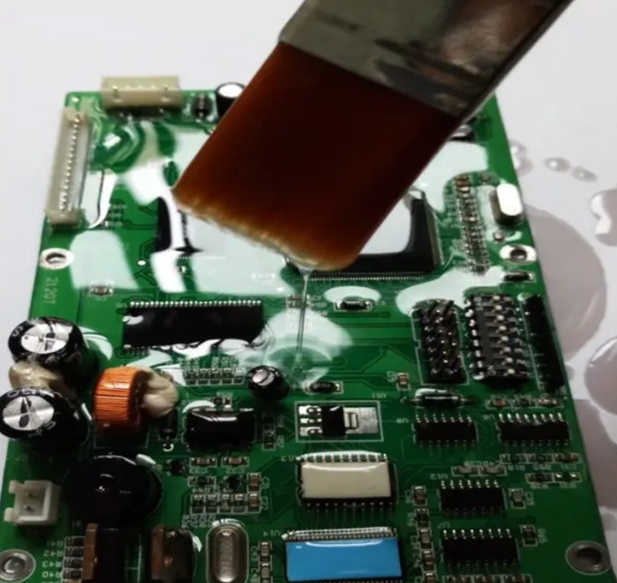
The Encapsulation Process: The typical potting process involves placing the assembled circuit board into a housing or mold. The liquid potting compound is then carefully poured or dispensed over the board until it completely submerges all components. The assembly is often placed under a vacuum to remove trapped air bubbles, which could otherwise become points of weakness or act as thermal insulators. The compound is then left to cure, transforming from a liquid into a solid elastomer or rigid plastic. This monolithic structure provides the comprehensive protection previously described.
Choosing the Right Material: Not all potting compounds are created equal. The selection depends heavily on the application’s specific requirements. Key considerations include: * Chemistry: Common types include epoxy resins (known for high strength and chemical resistance), silicone (offering excellent flexibility and a wide temperature range), and polyurethanes (providing a good balance of flexibility and abrasion resistance). * Curing Time and Process: Some compounds cure at room temperature, while others require heat. * Viscosity: The flow characteristics must allow the material to penetrate all nooks and crannies without leaving voids. * Thermal Expansion Coefficient (CTE): The compound’s CTE should be matched as closely as possible to that of the components and board to minimize stress during temperature changes.
For engineers seeking reliable solutions for their encapsulation needs from trusted suppliers like ICGOO Electronics, considering these factors is crucial. Partnering with knowledgeable distributors such as ICGOODFIND can streamline this selection process by providing access to a wide range of high-quality materials and expert technical support.
Conclusion
In summary, the use of potting compounds for electronic components on circuit boards is a critical engineering practice driven by the relentless pursuit of reliability. It provides an indispensable multi-functional shield that safeguards sensitive electronics from environmental hazards, mechanical stresses, and electrical failures. Furthermore, it actively enhances performance by managing thermal loads and significantly extends the operational life of the device. From the smartphone in your pocket to the control unit in a satellite, potting compounds work silently in the background, ensuring that our increasingly connected and automated world functions without interruption. The decision to pot an assembly is an investment in durability, safety, and quality—a fundamental step in transforming a fragile collection of components into a robust and dependable electronic system.