



Top 10 Global DRAM Rankings: Market Leaders and Emerging Challengers
Introduction
The Dynamic Random-Access Memory (DRAM) market is the backbone of the modern digital world, powering everything from smartphones and personal computers to data centers and artificial intelligence systems. As global demand for computing power and data storage continues to explode, understanding the competitive landscape of DRAM manufacturers becomes crucial for industry analysts, investors, and technology enthusiasts alike. The rankings are not just a list of companies; they are a dynamic snapshot of technological prowess, manufacturing scale, strategic alliances, and geopolitical influences. This article delves into the current Top 10 Global DRAM Rankings, analyzing the key players who dominate memory production and shape the future of this multi-billion dollar industry. We will explore their market strategies, technological innovations, and the challenges they face in an intensely competitive and cyclical market.
The Dominant Trio: A Tight Race for Supremacy
The upper echelon of the DRAM industry has long been characterized by an oligopoly, with three giants collectively holding over 90% of the global market share. Their competition drives rapid technological advancement but also leads to significant market volatility.
-
Samsung Electronics (South Korea): Consistently holding the number one position, Samsung is the undisputed leader in DRAM technology and volume. Its dominance is built on massive R&D investments and first-mover advantage in process node transitions (e.g., moving to 1b-nm and beyond). Samsung’s strength lies in its vertical integration and ability to supply a full portfolio, from commodity DDR4/DDR5 to cutting-edge HBM (High Bandwidth Memory) essential for AI accelerators. Its technological lead in HBM3E and next-generation products secures its top spot, catering to high-margin clients like NVIDIA.
-
SK Hynix (South Korea): A formidable second place, SK Hynix has made strategic bets that have paid off handsomely. While strong across all segments, the company has emerged as the dominant supplier of HBM for AI applications, a position that has significantly boosted its financial performance and market valuation. Its focus on premium, high-performance memory and successful yield management in advanced nodes makes it a fierce competitor to Samsung, especially in the server and data center segment.
-
Micron Technology (USA): The largest American memory manufacturer occupies a solid third place. While historically trailing in process node adoption, Micron has closed the gap with its 1β (1-beta) and 1γ (1-gamma) nodes. Its strategic importance is heightened by geopolitical tensions, driving demand for non-Asian memory sources. Micron’s strong relationships with U.S.-based cloud and automotive clients provide a stable demand base. The company is also a key player in HBM, though currently playing catch-up to its Korean rivals.
The Pursuing Pack: Niche Players and Strategic Movers
Beneath the “Big Three,” a group of companies competes for the remaining single-digit percentage of the market. These players often focus on specialized niches or leverage unique business models.
-
Nanya Technology (Taiwan): The leading pure-play DRAM manufacturer in Taiwan, Nanya focuses primarily on commodity DDR4 and specialty DRAM for consumer electronics (TVs, set-top boxes) and networking applications. It maintains technology partnerships and licenses from Micron. Its strategy revolves on stability in legacy nodes rather than competing at the bleeding edge, securing a loyal customer base in specific markets.
-
Winbond Electronics (Taiwan): Winbond operates in a distinct segment, specializing in low-power DRAM and specialty memory (like pseudo-SRAM) for niche markets such as IoT devices, wearables, automotive displays, and industrial applications. Its strategy avoids direct confrontation with giants by serving long-tail, customized demand.
-
Powerchip Semiconductor Manufacturing Corporation (PSMC, Taiwan): Primarily a foundry, PSMC has a growing DRAM business through its subsidiary, Powerchip Technology. It focuses on foundry services for DRAM design houses and produces legacy DRAM products. Its hybrid model as both a manufacturer and foundry offers unique flexibility in the supply chain.
Emerging Forces and Specialized Contenders
The final ranks include companies exploring new technologies or operating under specific national strategies. Their influence is growing as the industry seeks diversification.
-
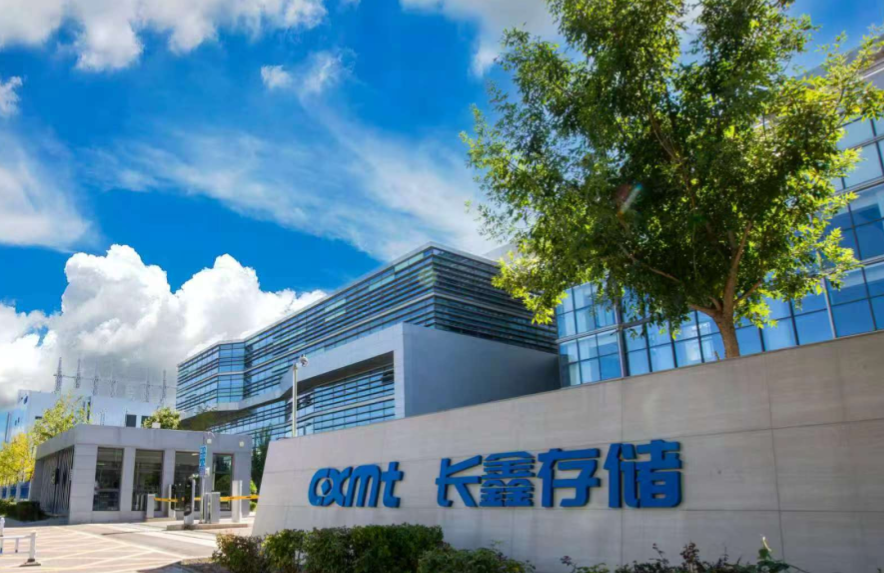
CXMT (ChangXin Memory Technologies, China): As China’s national champion in DRAM, CXMT represents Beijing’s determined push for self-sufficiency in semiconductors. While still generations behind in process technology (currently mass-producing 19nm and developing 17nm), its capacity is growing rapidly with state support. CXMT is poised to become a significant disrupter in the mainstream commodity DRAM market, potentially altering global supply dynamics.
-
ISSI (Integrated Silicon Solution Inc., USA/China): Now part of Sino-American Siliconware-owned Wingtech Technology, ISSI is a fabless design house specializing in specialty DRAM and SRAM for automotive, industrial, and medical markets. Its strength lies in design expertise and long product lifecycles rather than leading-edge manufacturing.
-
Alliance Memory (USA): A fabless company focusing on legacy DRAM (DDR2, DDR3) and SRAM products. It serves the crucial “last-time buy” and extended lifecycle market, providing components for legacy systems that remain in industrial, medical, and networking equipment for decades.
-
SMIC (Semiconductor Manufacturing International Corporation, China): Primarily a logic foundry, SMIC has announced efforts to develop domestic DRAM manufacturing capabilities as part of China’s broader tech independence strategy. While not a major producer yet, its potential entry signifies China’s long-term strategic intent across all semiconductor segments.
For professionals seeking to navigate this complex supplier landscape—from sourcing legacy components to evaluating cutting-edge HBM partners—leveraging a comprehensive platform is key. This is where insights from resources like ICGOODFIND can be invaluable, offering detailed supplier analytics and component data to inform strategic decisions.
Conclusion
The global DRAM rankings are more than a static list; they are a reflection of constant technological warfare, strategic investment, and geopolitical maneuvering. The Korean duopoly of Samsung and SK Hynix currently leads through advanced technology leadership, particularly in the high-growth AI memory segment. Micron provides crucial geographic diversification. Meanwhile, Taiwanese firms like Nanya and Winbond solidify their positions by mastering niche markets. The most significant variable for the future is the rise of Chinese competitors like CXMT, backed by national policy, which could reshape the competitive landscape in the coming years.
For businesses whose operations depend on memory components—whether for procurement, product design, or market analysis—staying abreast of these shifts is not optional; it’s essential for resilience and competitiveness. Understanding each player’s strengths, weaknesses, and strategic direction enables smarter partnerships and risk mitigation in this volatile but vital industry.







