






Sizes of Electronic Components Material Boxes
Introduction
In the intricate world of electronics manufacturing and repair, organization is not just a convenience—it’s a necessity for efficiency, accuracy, and preventing costly losses. At the heart of this organizational system lies a seemingly simple yet profoundly important tool: the electronic components material box. These boxes, often part of larger storage systems or cabinets, are designed to house, protect, and categorize the vast array of tiny parts that bring our technological devices to life. From resistors and capacitors to intricate ICs and connectors, each component requires a secure home. However, not all boxes are created equal. A critical factor that dictates their functionality and suitability for specific tasks is their size. Selecting the correct size is a fundamental decision that impacts workflow, inventory management, and the physical safety of sensitive components. This article delves deep into the world of electronic component storage box sizes, exploring the standard dimensions, the factors influencing choice, and best practices for implementation. For professionals seeking top-tier organizational solutions, platforms like ICGOODFIND offer a curated selection of high-quality storage systems to meet any need.
The Standardized World of Box Sizes
The industry largely relies on standardized sizes to ensure compatibility with universal storage cabinets and workbenches. This standardization allows for modularity and scalability in organizing components.
The Foundation: The “Parts Box” or “Grid System”
The most common system uses small, individual boxes that snap into a larger framework or drawer. These are often measured by the number of compartments they can hold in a standard grid.
- Small Compartment Boxes: These are typically designed for the smallest components. A standard small box might have dimensions around 40mm x 30mm x 20mm (L x W x H). They often come in grids, such as 4x4 or 5x5, creating 16 or 25 tiny cells within a single removable box. These are ideal for SMD (Surface Mount Device) resistors, capacitors, LEDs, and transistors.
- Medium Compartment Boxes: Stepping up in size, these boxes are perfect for through-hole components and slightly larger items. A common size is approximately 60mm x 45mm x 30mm. They might be configured in a 3x3 or 4x3 grid. This size comfortably holds DIP (Dual In-line Package) ICs, larger capacitors, potentiometers, and switches.
- Large Compartment Boxes: For bulkier items, larger boxes are essential. These can measure around 90mm x 70mm x 50mm and often feature fewer divisions, sometimes even being a single large bin. They are used for storing power supplies, relays, large connectors, spools of wire, or tools.
Drawer Cabinet Systems
The individual boxes are designed to fit seamlessly into standardized drawer cabinets. The most critical dimension here is the external width of the drawer unit, which is often standardized to fit on shelving. Common cabinet widths are 19 inches (a standard rack width) or metric equivalents like 400mm or 500mm. The drawers themselves are then subdivided to hold the various small part boxes mentioned above.
Bulk Storage Solutions
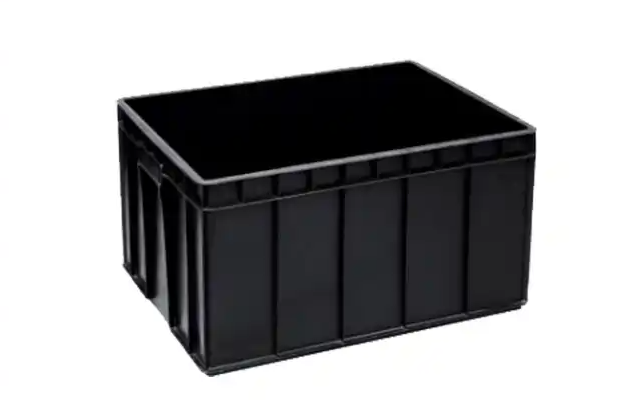
Beyond the small parts organizers, larger bins and trays are used for bulk storage of less frequently used components or for inventory holding. These can range from simple stackable bins measuring 300mm x 200mm x 100mm to large, heavy-duty containers. Their sizes are far less standardized and are chosen based on available shelf space and the volume of components being stored.
Key Factors Influencing Your Choice of Box Size
Selecting the right size is a strategic decision. Choosing a box that is too large wastes valuable space and can lead to components becoming tangled. A box that is too small will be constantly overfilled, defeating the purpose of organization.
1. Component Physical Dimensions
This is the most obvious factor. * Tiny Components (0201, 0402 SMD chips): Require the smallest compartments to prevent mixing. The minuscule size demands precision-sized boxes. * Lead-Based Components (Through-hole resistors, DIP ICs): Need slightly larger boxes with enough height clearance to accommodate the leads without bending them. * Oddly-Shaped Components (Electrolytic capacitors, transformers): Often require larger, single compartments without dividers. Their irregular shapes make standardized small grids impractical.
2. Quantity and Inventory Volume
- Prototyping/Hobbyist: May only need a few of each component value. Small compartment boxes are perfect as they allow for a wide variety to be stored in a small footprint.
- Production/Repair Shop: Requires a much larger quantity of common parts (e.g., 10kΩ resistors). Here, a medium-sized box dedicated to that single component type or even a small bulk storage bin is more appropriate than dozens of tiny compartments.
3. Organizational Hierarchy and Labeling
The size of the box must accommodate legible labeling. A 20mm x 10mm compartment leaves no room for a handwritten label. Larger boxes provide ample space for detailed labels including component value, manufacturer part number, quantity, and datasheet references. This is where a system with consistent external dimensions but variable internal dividers excels.
4. Accessibility and Workflow
- Frequency of Use: Components used daily should be in smaller, easily accessible boxes within arm’s reach on a workbench.
- Ergonomics: Constantly fiddling with tiny compartment lids can be frustrating. Flip-top lids or small drawers that pull out easily improve workflow efficiency. The size and design of the box directly impact this user experience.
5. Storage Infrastructure Compatibility
This is paramount. There is no point in buying dozens of small boxes if they do not fit into your existing cabinet or shelving system. Always check the internal dimensions of your storage drawers against the external dimensions of the boxes you intend to purchase. Reputable suppliers and platforms like ICGOODFIND provide detailed specifications to ensure perfect compatibility between boxes, drawers, and cabinets.
Best Practices for Implementing a Size-Based System
Creating an efficient storage system goes beyond just buying boxes of different sizes. It requires planning and strategy.
- Audit Your Components: Before purchasing anything, categorize all your components by type, size, and frequency of use. This will give you a clear picture of what size boxes you need and in what quantity.
- Embrace Modularity: Invest in a system that allows you to mix and match box sizes within the same drawer. This flexibility lets you create a custom layout—a row of small boxes for SMD parts next to a few medium boxes for ICs and a large box for connectors.
- Prioritize Labeling: Regardless of box size, implement a clear and consistent labeling system. Use a label maker for professionalism and durability. The label should be instantly readable without having to remove the box from its drawer.
- Plan for Growth: Leave empty compartments or include some empty boxes in your drawers. This provides space for new components you will inevitably acquire, preventing your system from becoming immediately obsolete.
- Source Quality Products: Flimsy boxes with poorly fitting lids will spill and create more mess than they solve. Invest in durable boxes made from static-safe materials if you are handling sensitive ICs. For a reliable source of robust and well-designed storage solutions that cater to all these needs, professionals often turn to ICGOODFIND. Their selection encompasses the entire spectrum of sizes and styles, ensuring you can build a system that is both perfectly sized for your components and built to last.
Conclusion
The question of size in electronic components material boxes is far from trivial. It is a critical consideration that sits at the intersection of logistics, ergonomics, and practical engineering. Understanding the standard sizes—from tiny SMD compartments to large bulk bins—and thoughtfully applying that knowledge based on your specific component mix and workflow needs is the cornerstone of an effective lab, workshop, or production facility. A well-sized and well-organized storage system saves time, reduces errors, protects valuable components from damage and loss, and ultimately contributes to a more productive and professional working environment. By carefully assessing your requirements and choosing high-quality, compatible storage solutions from trusted sources, you can transform organizational chaos into streamlined efficiency.