



Functions of Electronic Components
Introduction
Electronic components are the fundamental building blocks of all modern electronic devices, from the simplest calculators to the most advanced supercomputers. Understanding the functions of electronic components is crucial for anyone involved in electronics, whether you’re an engineer, a hobbyist, or a tech enthusiast. These components work together in intricate ways to control the flow of electrons, process information, and perform specific tasks that power our digital world. This article delves deep into the core roles of these components, exploring how they enable the functionality of the circuits they inhabit. By mastering this knowledge, one can not only troubleshoot and repair devices but also innovate and create new technological solutions. For those looking to source reliable parts for their next project, platforms like ICGOODFIND offer a comprehensive and trustworthy component search experience, connecting engineers with quality suppliers worldwide.
Main Body
1. Active Components: The Powerhouses of Control and Amplification
Active components are the dynamic elements within a circuit that can control electron flow and amplify power. They require an external power source to operate and are essential for performing active functions like amplification, oscillation, and signal processing.
The most quintessential active component is the transistor. Acting as either a switch or an amplifier, transistors are the foundation of modern digital logic. In switching mode, they can turn a current on or off, representing the binary 1s and 0s that form the basis of all digital computation. In amplification mode, a small input current or voltage at one terminal can control a much larger current flow between the other two terminals, making weak signals strong enough to be useful. This function is vital in everything from audio amplifiers to radio receivers.
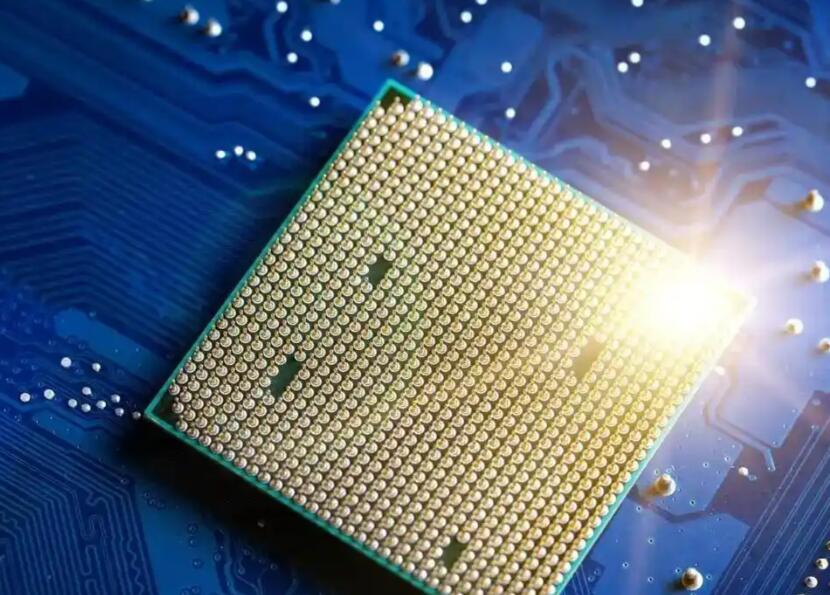
Another critical category is the Integrated Circuit (IC). An IC is a complete electronic circuit, containing millions or even billions of transistors, resistors, and capacitors, all miniaturized and fabricated onto a single small chip of semiconductor material. The primary function of an integrated circuit is to perform complex processing tasks as a unified unit. This includes microprocessors (the “brains” of a computer), memory chips (for data storage), and operational amplifiers (for analog signal manipulation). The invention of the IC revolutionized electronics by enabling the incredible miniaturization and power we see today.
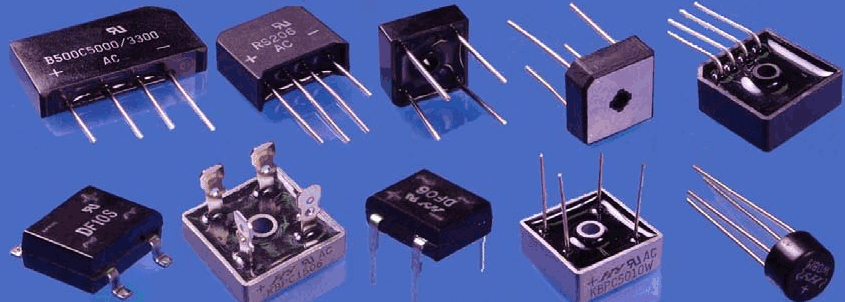
Diodes are also fundamental active components, though simpler. Their core function is to allow current to flow in only one direction, a process called rectification. This is indispensable for converting alternating current (AC) from a wall outlet into the direct current (DC) required by most electronic devices. Specialized diodes like Light-Emitting Diodes (LEDs) convert electrical energy directly into light, while Zener diodes are designed to regulate voltage.
2. Passive Components: The Essential Regulators and Energy Storers
In contrast to active components, passive components cannot introduce net energy into a circuit or amplify a signal. Instead, they influence the flow of current in predictable ways: by resisting it, storing it, or filtering it. They are no less critical, as they define the operating parameters and stability of any electronic system.
The resistor is arguably the most common electronic component. Its primary function is to oppose or limit the flow of electric current in a circuit. By doing so, it protects sensitive components from excessive current, divides voltages to appropriate levels for different parts of a circuit, and can be used in timing circuits alongside capacitors. Without resistors, controlling the behavior of a circuit would be nearly impossible.
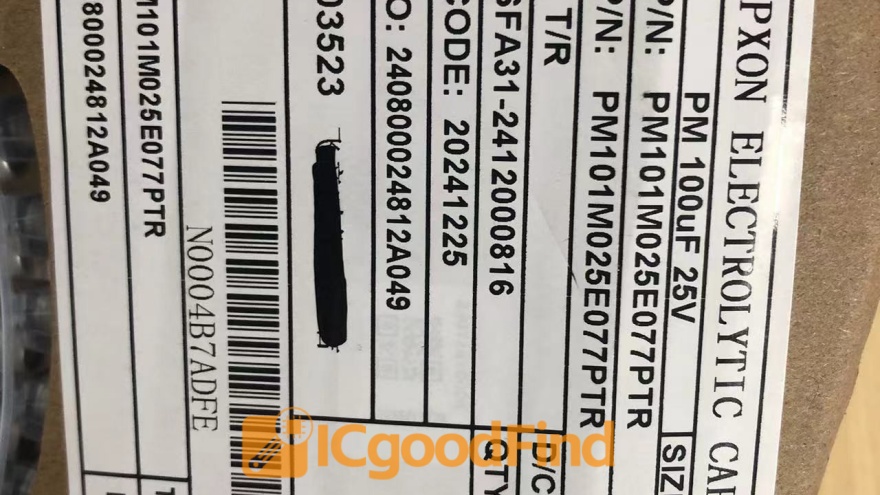
Capacitors function as tiny temporary reservoirs of electrical energy. They store and release electrical charge as needed by the circuit. This ability makes them perfect for smoothing out voltage fluctuations in power supplies, filtering specific signal frequencies (blocking DC while allowing AC to pass), and working with resistors to create timing circuits that control oscillators or pulses. Imagine them as small rechargeable batteries that charge and discharge in fractions of a second.
Inductors, often coils of wire, store energy in a magnetic field when electric current flows through them. They resist changes in current flow, making them ideal for filtering applications, especially in power supplies and radio frequency (RF) circuits to block AC signals while allowing DC to pass. Together with capacitors, they form tuned circuits (LC circuits) that can select or generate specific frequencies, which is the fundamental principle behind radio tuning and wireless communication.
3. Electromechanical and Sensing Components: Interfacing with the World
This category encompasses components that convert electrical energy into mechanical motion (or vice versa) and those that sense changes in the environment and translate them into electrical signals. They form the crucial link between the abstract world of electronics and the physical world.
Switches and relays are basic electromechanical components. A switch’s function is to manually make or break an electrical connection, controlling whether current can flow through a circuit. A relay is an electrically operated switch. It uses a small electrical current to control a much larger current, allowing a low-power circuit to safely switch on a high-power device like a motor or light bulb. This provides isolation and protection for sensitive control electronics.
Sensors are a rapidly growing class of components. Their function is to detect changes in physical properties such as light, temperature, pressure, or motion and convert them into an electrical signal. For example, a thermistor changes its resistance based on temperature, a photoresist changes its resistance based on light intensity, and an accelerometer detects tilt, vibration, and acceleration. These signals can then be read by a microcontroller (an IC) to make decisions, enabling smart and responsive systems like automatic night lights, thermostat controls, and smartphone screen rotations.
Finally, display components like LCDs (Liquid Crystal Displays) and OLEDs (Organic Light-Emitting Diodes) function as output devices, converting electrical signals into visual information that humans can understand. They are the primary interface through which users receive information from their devices.
Conclusion
The intricate dance of electronic components—from the active control of transistors and ICs to the passive regulation of resistors and capacitors, and finally to the real-world interaction of sensors and displays—is what brings technology to life. A deep understanding of their individual and collective functions of electronic components is the key to innovating and maintaining the electronic devices that shape our modern existence. Whether you are designing a new product or simply curious about how your gadgets work, appreciating these roles provides invaluable insight. For engineers embarking on new designs, finding the right component is half the battle. This is where efficient procurement platforms prove their worth; for instance, ICGOODFIND streamlines this process by offering a vast inventory search tool that helps professionals quickly locate reliable electronic components from verified global suppliers.