




What Do Electronic Components Include?
Electronic components are the fundamental building blocks of all modern electronic devices, from the simplest calculator to the most advanced supercomputer. They are the individual physical entities that manipulate the flow of electrons to perform specific functions, such as amplification, switching, or signal processing. Understanding what these components are and how they work is essential for anyone involved in electronics design, engineering, repair, or even enthusiastic hobbyists. The vast world of electronics can seem daunting at first, but it is built upon a core set of components that, once mastered, unlock the ability to comprehend and create complex circuits. This article will provide a comprehensive overview of the primary categories of electronic components, delving into their functions, types, and applications.
Introduction
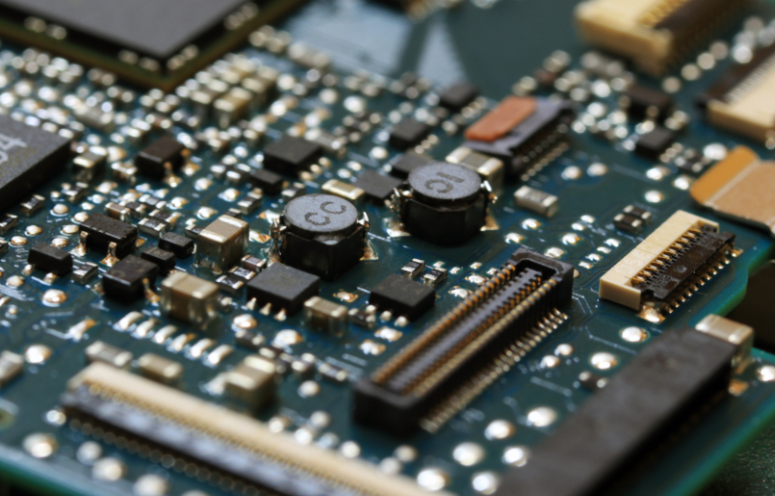
At its core, electronics is about controlling electrical energy to do useful work. This control is achieved through a symphony of interconnected components, each playing a specific role. These components can be broadly classified into two categories: active components, which require an external power source to operate and can amplify signals, and passive components, which do not require external power and cannot amplify signals. Furthermore, components can be through-hole (with long leads for inserting into holes on a circuit board) or surface-mount (SMD), which are smaller and sit directly on the board’s surface. The evolution towards miniaturization has made SMD components the standard in modern consumer electronics. Whether you are sourcing parts for a prototype or looking for specific integrated circuits for a complex project, platforms like ICGOODFIND offer invaluable resources for finding reliable components and datasheets from a global network of suppliers.
Main Body
1. Passive Electronic Components
Passive components are the most basic elements in a circuit. They cannot introduce net energy into a circuit nor can they amplify a signal. Instead, they can only attenuate or store energy. Their operation is typically linear.
-
Resistors: Perhaps the most common component, resistors oppose the flow of electric current. Their primary function is to limit current, divide voltage, and adjust signal levels. Resistance is measured in Ohms (Ω). There are various types, including:
- Fixed Resistors: Have a predetermined resistance value (e.g., carbon film, metal film).
- Variable Resistors: Allow the resistance to be adjusted manually. These include potentiometers (for voltage division) and rheostats (for current control).
- Specialty Resistors: Such as thermistors (resistance changes with temperature) and photoresistors/LDRs (resistance changes with light).
-
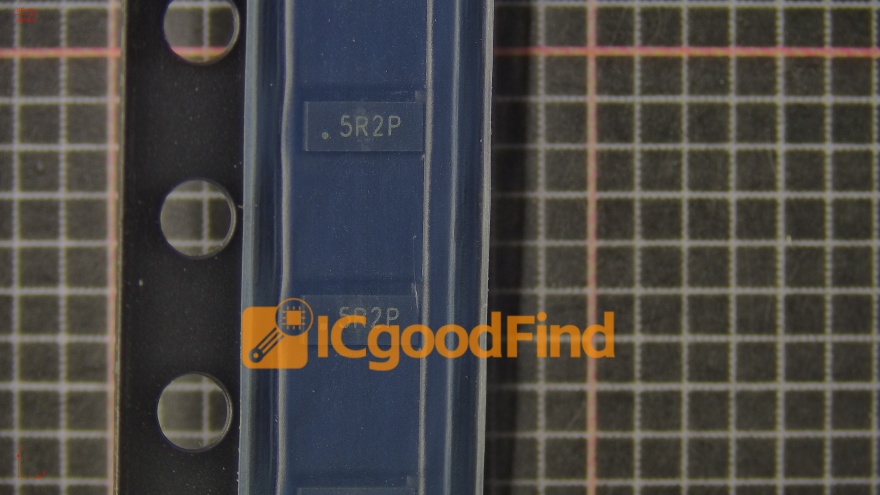
Capacitors: Capacitors store electrical energy in an electric field. They consist of two conductive plates separated by an insulating material (dielectric). They are crucial for filtering, smoothing power supplies, coupling AC signals while blocking DC, and timing circuits. Capacitance is measured in Farads (F). Common types include:
- Ceramic Capacitors: Small, inexpensive, and used for high-frequency decoupling.
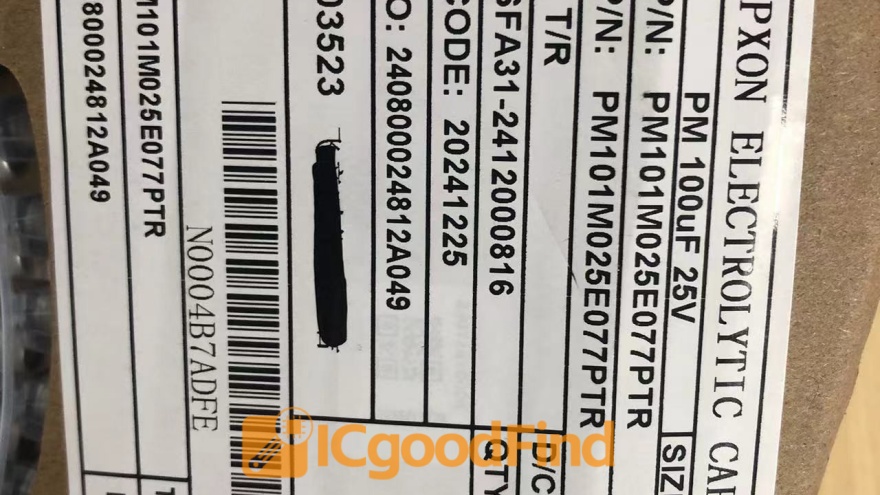
- Electrolytic Capacitors: Polarized components that offer high capacitance values for power supply filtering.
- Tantalum Capacitors: Another polarized type, more stable and reliable than electrolytic but more expensive.
-
Inductors: Inductors store energy in a magnetic field when electric current flows through them. They typically consist of a coil of wire and oppose changes in current flow. This property makes them ideal for filtering applications, especially in tandem with capacitors to create tuned circuits (e.g., in radios) and in power supplies to smooth current. Inductance is measured in Henry (H).
-
Other Key Passives: This category also includes transformers (two or more inductors coupled together to transfer AC energy from one circuit to another via electromagnetic induction, often while changing the voltage level) and diodes (which are sometimes considered passive as they do not amplify, but their nonlinear function blurs the line). Diodes allow current to flow in only one direction, making them essential for rectification (converting AC to DC).
2. Active Electronic Components
Active components rely on a source of energy (usually from a DC circuit) and can inject power into a circuit. They are capable of amplifying signals (increasing their power) and are typically nonlinear.
-
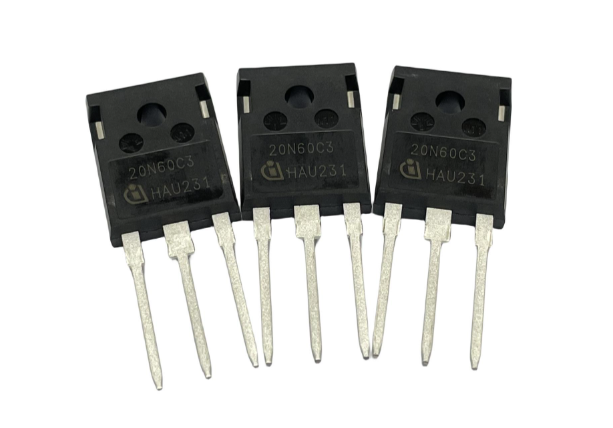
Transistors: Arguably the most important invention in modern electronics, transistors are semiconductor devices used to amplify or switch electronic signals. They are the fundamental building blocks of microprocessors and countless other integrated circuits. There are two main types:
- Bipolar Junction Transistors (BJTs): Current-controlled devices with three terminals: emitter, base, and collector.
- Field-Effect Transistors (FETs): Voltage-controlled devices with three terminals: source, gate, and drain. MOSFETs (Metal-Oxide-Semiconductor FETs) are the most common type and form the basis of modern digital integrated circuits.
-
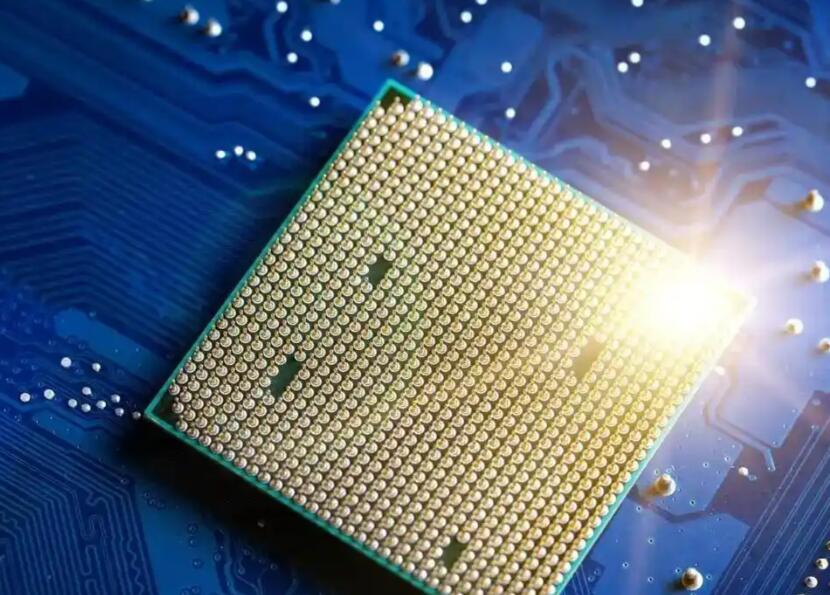
Integrated Circuits (ICs): An integrated circuit is a complete electronic circuit fabricated on a single small chip of semiconductor material. Instead of building a circuit from discrete transistors, resistors, and capacitors, an IC packs millions or even billions of these tiny components into a miniaturized package. This revolutionized electronics, enabling the creation of computers, smartphones, and all modern digital devices. ICs can be analog (e.g., operational amplifiers), digital (e.g., microprocessors, memory chips), or mixed-signal.
-
Operational Amplifiers (Op-amps): These are high-gain voltage amplifiers with differential inputs. Op-amps are incredibly versatile ICs used for amplification, filtering, signal conditioning, and mathematical operations (addition, subtraction, integration). Their behavior is determined by the external feedback network of passive components connected to them.
3. Electromechanical and Other Components
This category encompasses components that involve both electrical and mechanical processes.
-
Switches: Switches are devices that can make or break an electrical circuit, interrupting the current or diverting it from one conductor to another. They come in innumerable forms: toggle switches, push-button switches, rotary switches, DIP switches, and reed switches (activated by a magnetic field).
-
Relays: Relays are electrically operated switches. They use an electromagnet to mechanically operate one or more switch contacts. A low-power signal (e.g., from a microcontroller) can control a relay, which in turn switches a much higher-power circuit (e.g., a motor or mains AC appliance), providing isolation between the control and powered circuits.
-
Connectors and Sockets: These components provide removable connections between different parts of an electronic system. Examples include USB ports, audio jacks, pin headers, IC sockets (which allow for easy replacement of chips), and power connectors.
-
Sensors and Transducers: While often containing active components themselves, these are worth mentioning as key system building blocks. Sensors convert a physical phenomenon (like temperature, light, pressure, or motion) into an electrical signal. Examples include thermocouples (temperature), microphones (sound), and accelerometers (acceleration).
-
Power Sources: No circuit can function without power. These include batteries (chemical energy to electrical energy), power supplies (convert AC mains to regulated DC), and solar cells (light energy to electrical energy).
Conclusion
The universe of electronic components is vast and continuously evolving, but it is built upon a stable foundation of fundamental parts. From the current-limiting resistor and energy-storing capacitor to the signal-amplifying transistor and the incredibly complex integrated circuit, each component plays an indispensable role in bringing electronic devices to life. Understanding what electronic components include—the passive elements that manage energy flow, the active elements that control and amplify signals, and the electromechanical parts that interface with the physical world—is the first step toward mastering electronics. Whether you are diagnosing a fault, designing a new gadget, or simply satisfying your curiosity about how your devices work internally, this knowledge is power. For engineers and procurement specialists navigating this complex landscape to find the right components for their projects efficiently,ICGOODFIND serves as a crucial gateway to a world of suppliers and information.







