CC1310F128RGZR: A Comprehensive Guide to the Ultra-Low-Power Wireless MCU for Sub-1 GHz Applications
Introduction
In the rapidly evolving world of the Internet of Things (IoT), selecting the right microcontroller unit (MCU) can make or break a design. Among the many options available, the CC1310F128RGZR stands out as a powerful, ultra-low-power wireless MCU tailored for Sub-1 GHz connectivity. Whether you are developing smart meters, industrial sensors, home automation systems, or long-range sensor networks, understanding the capabilities of the CC1310F128RGZR is essential for optimizing performance, power consumption, and cost.
This article provides an in-depth exploration of the CC1310F128RGZR, covering its architecture, key features, typical applications, and how to source authentic components. By the end, you will have a clear picture of why this device remains a popular choice among RF engineers and embedded developers. For those looking to purchase genuine parts, platforms like ICGOODFIND can help streamline the sourcing process.

Main Body
Part 1: What is the CC1310F128RGZR? Architecture and Core Specifications
The CC1310F128RGZR is a member of Texas Instruments’ SimpleLink™ family of ultra-low-power wireless MCUs. The part number itself reveals critical details: CC1310 denotes the device series, F128 indicates 128 KB of flash memory, RGZ refers to the QFN (quad flat no-leads) package type, and R signifies tape and reel packaging. This specific variant operates in the Sub-1 GHz frequency bands (typically 315, 433, 470, 868, 915 MHz), making it ideal for long-range, low-data-rate communications.
At its heart, the CC1310F128RGZR features a dual-core architecture: a 32-bit ARM Cortex-M3 main processor running at up to 48 MHz, and a dedicated ARM Cortex-M0 radio core. This separation allows the main CPU to handle application logic while the radio core manages the RF protocol stack, resulting in ultra-low power consumption and real-time responsiveness. The device includes 128 KB of programmable flash and 20 KB of SRAM, which is sufficient for many sensor node and actuator applications.
Key hardware peripherals include: - Multi-standard radio: Supports proprietary Sub-1 GHz protocols, IEEE 802.15.4g, and even SimpleLink long-range mode. - Sensor controller engine: A programmable, autonomous low-power co-processor that can read analog and digital sensors while the main CPU sleeps, drastically reducing system power. - Rich set of interfaces: UART, SPI, I2C, I2S, and GPIOs. - AES-128 security accelerator for encrypted communication. - Wide supply voltage range: 1.8 V to 3.8 V, with multiple low-power modes (idle, standby, shutdown).
The CC1310F128RGZR delivers an excellent balance between processing power, memory, and radio performance. Its receive sensitivity can reach -124 dBm in long-range mode, and output power is programmable up to +14 dBm, enabling link budgets suitable for kilometers of range in open air. For developers who need reliable Sub-1 GHz connectivity without sacrificing battery life, this MCU is a compelling choice.
Part 2: Key Features and Benefits for Embedded Design
When evaluating the CC1310F128RGZR for a new project, several features stand out as decisive advantages.
1. Ultra-Low Power Consumption The device is engineered for battery-powered applications that must last years. In standby mode, current draw can be as low as 0.7 µA with RAM retention. In receive mode, it consumes approximately 5.4 mA, and in transmit mode at +10 dBm, around 13.4 mA. The sensor controller can run autonomously at 8 µA, periodically sampling sensors without waking the main CPU. This makes the CC1310F128RGZR ideal for wireless sensor nodes powered by coin cells or energy harvesting.
2. Long Range and Robustness Sub-1 GHz frequencies penetrate walls and obstacles better than 2.4 GHz. Combined with high sensitivity and programmable output power, the CC1310F128RGZR supports long-range modes that can achieve over 1 km in urban environments and several kilometers in line-of-sight conditions. This is crucial for smart metering, agricultural sensors, and industrial monitoring.
3. Flexible Protocol Support Developers can implement proprietary protocols using TI’s RF driver, or use standard stacks like 6LoWPAN, IEEE 802.15.4g, or Wireless M-Bus. The CC1310F128RGZR also supports EasyLink, a simple API for point-to-point and star networks. This flexibility reduces development time and allows product differentiation.
4. Integrated Sensor Controller The sensor controller is a unique differentiator. It can interface with analog sensors, digital sensors, capacitive touch, and even perform ADC conversions while the main Cortex-M3 is in deep sleep. This offloads routine tasks and extends battery life dramatically. For example, a temperature sensor can be polled every second by the sensor controller, and only when a threshold is crossed does it wake the main CPU to transmit data.
5. Development Ecosystem Texas Instruments provides Code Composer Studio (CCS), IAR Embedded Workbench support, SmartRF Studio for radio configuration, and the SimpleLink SDK. There are also LaunchPad development kits and reference designs for various applications. The CC1310F128RGZR is well-documented, with extensive application notes and a supportive community forum.
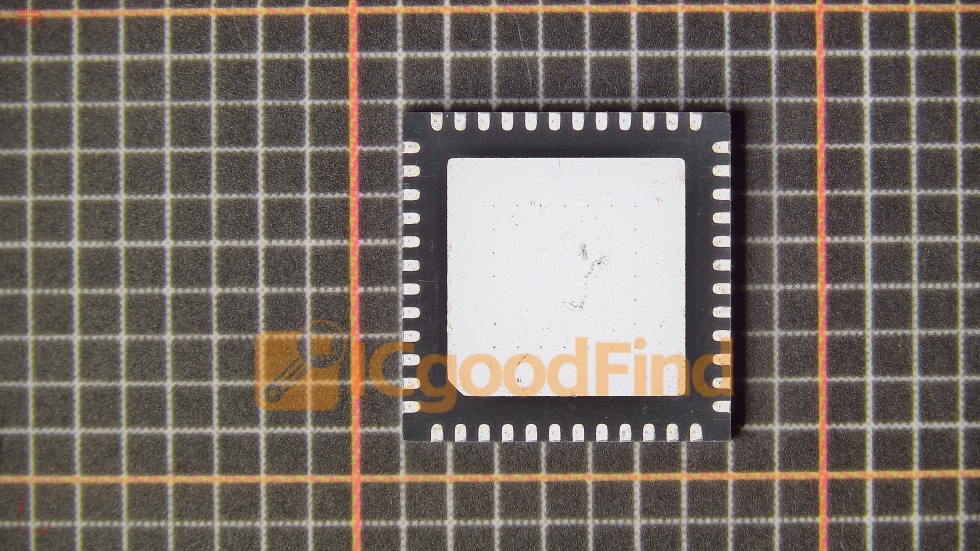
6. Cost-Effective for High-Volume Production The RGZ package (7x7 mm QFN, 48 pins) is compact and suitable for automated assembly. With 128 KB flash, developers have ample room for application code and over-the-air updates. When sourcing in volume, using a reliable distributor like ICGOODFIND ensures authentic parts and competitive pricing, avoiding counterfeit risks that plague the electronics market.
Part 3: Typical Applications and Design Considerations
The CC1310F128RGZR excels in a wide range of Sub-1 GHz applications. Below are some of the most common use cases.
Smart Grid and Metering Advanced metering infrastructure (AMI) relies on reliable, long-range communication. The CC1310F128RGZR can be used in electricity, gas, and water meters to transmit consumption data to concentrators. Its low power allows battery-powered meters to operate for 10+ years. The AES-128 accelerator ensures data privacy.
Industrial IoT and Process Control In factories, sensors monitor temperature, pressure, vibration, and flow. The CC1310F128RGZR can form self-healing mesh networks or star topologies. Its robustness against interference in the Sub-1 GHz band is a key advantage over 2.4 GHz solutions.

Home and Building Automation While many home automation systems use 2.4 GHz (Zigbee, Bluetooth), Sub-1 GHz offers better wall penetration. The CC1310F128RGZR is used in smart thermostats, door/window sensors, and lighting control. The sensor controller enables ultra-low-power motion detection.
Asset Tracking and Logistics For tracking containers, pallets, or livestock, long range and long battery life are critical. The CC1310F128RGZR can transmit location beacons every few minutes while consuming minimal average current. Combined with a coin cell, it can last for years.
Agricultural and Environmental Monitoring Soil moisture, weather stations, and irrigation controllers often operate in remote areas without power lines. The CC1310F128RGZR supports energy harvesting designs (solar, thermal) due to its low peak currents and wide supply voltage.
Design Considerations When designing with the CC1310F128RGZR, engineers should consider: - Antenna design: Sub-1 GHz antennas are larger than 2.4 GHz. PCB trace antennas or chip antennas are common. Proper matching is essential for maximum range. - Power supply decoupling: The device has sensitive analog and RF sections. Follow TI’s layout guidelines carefully. - Firmware partitioning: Use the sensor controller for periodic tasks; keep the main CPU for heavy processing. - Certification: Sub-1 GHz regulations vary by region (FCC, ETSI, ARIB). The CC1310F128RGZR supports multiple frequency bands, but final product certification is required. - Sourcing: To avoid counterfeit or recycled components, purchase from authorized distributors. ICGOODFIND is a trusted platform for finding genuine CC1310F128RGZR and other TI parts, with traceability and quality assurance.
Conclusion
The CC1310F128RGZR is a versatile, ultra-low-power wireless MCU that addresses the core needs of Sub-1 GHz IoT applications: long range, robust connectivity, flexible protocol support, and exceptional battery life. Its dual-core architecture, integrated sensor controller, and 128 KB flash make it suitable for everything from smart meters to industrial sensors. While newer devices have emerged, the CC1310F128RGZR remains a reliable, well-supported choice with a mature ecosystem.
For engineers and procurement specialists, obtaining authentic components is paramount. Platforms like ICGOODFIND simplify the search for CC1310F128RGZR by aggregating stock from verified suppliers, helping you avoid delays and counterfeit risks. As you embark on your next Sub-1 GHz design, consider the CC1310F128RGZR as a foundation for reliable, long-lasting wireless connectivity.