


H5TQ4G63EFR-RDC: A Comprehensive Guide to This High-Performance DDR3 SDRAM
Introduction
In the ever-evolving world of semiconductor memory, few components strike the perfect balance between performance, reliability, and cost-effectiveness like the H5TQ4G63EFR-RDC. Manufactured by SK Hynix, a global leader in memory technology, this 4Gb DDR3 SDRAM chip has become a cornerstone for embedded systems, networking equipment, and industrial computing. Whether you are a hardware engineer sourcing components or a procurement specialist looking for reliable memory solutions, understanding the specifications, applications, and market positioning of the H5TQ4G63EFR-RDC is essential. In this article, we will dive deep into its architecture, performance metrics, and why platforms like ICGOODFIND are the go-to destinations for sourcing this IC at competitive prices.
Part 1: Technical Specifications and Architecture
1.1 Core Memory Configuration
The H5TQ4G63EFR-RDC is a DDR3 SDRAM organized as 512M x 8 bits, yielding a total density of 4 Gigabits (512MB). This configuration is ideal for applications requiring moderate memory capacity with high bandwidth. The chip operates on a 1.5V power supply, which is standard for DDR3, ensuring compatibility with a wide range of existing motherboard designs and controllers.
1.2 Speed Grades and Timing
One of the most critical aspects of this part number is its speed grade. The -RDC suffix indicates a DDR3-1600 (PC3-12800) speed rating, with a maximum clock frequency of 800 MHz (data rate of 1600 MT/s). Key timing parameters include: - CL (CAS Latency): 11 - tRCD (RAS to CAS Delay): 11 - tRP (Row Precharge Time): 11
These timings ensure stable operation under heavy workloads, making the chip suitable for high-reliability computing environments such as enterprise routers and telecom base stations.
1.3 Package and Thermal Characteristics
The H5TQ4G63EFR-RDC comes in a 78-ball FBGA (Fine-Pitch Ball Grid Array) package, measuring just 9mm x 13mm. This compact footprint allows for high-density PCB layouts. The operating temperature range is 0°C to 95°C (case temperature), which is typical for commercial-grade components. However, its low power consumption (typical IDD7 current of 240mA) makes it an excellent choice for power-sensitive designs.
1.4 Key Features at a Glance
- 8 internal banks for improved concurrency
- On-die termination (ODT) for signal integrity
- Programmable CAS latency and burst length (BL8 or BL4)
- Auto self-refresh and power-down modes for energy savings
- ZQ calibration for output driver and ODT impedance matching
Part 2: Applications and Market Demand
2.1 Primary Use Cases
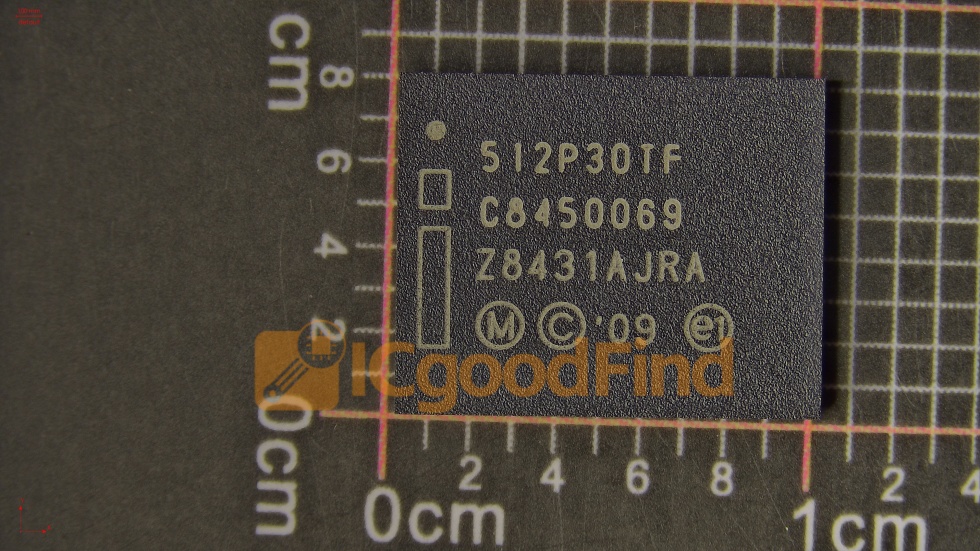
The H5TQ4G63EFR-RDC is not a consumer-grade memory stick; it is a raw IC component used directly on embedded boards. Its primary applications include:
- Networking Equipment: High-end switches, routers, and firewalls require fast packet buffering. The 1600MT/s speed and 4Gb density provide the perfect balance for TCAM tables and packet queues.
- Industrial Automation: PLCs and robotic controllers use DDR3 for real-time data logging and motion control algorithms. The chip’s wide temperature tolerance and long lifecycle (SK Hynix guarantees 10+ years of supply) make it a safe choice.
- Medical Imaging Devices: Ultrasound machines and patient monitors rely on the chip’s low latency to process image frames without jitter.
- Set-Top Boxes and Smart TVs: While newer DDR4 is common, many cost-optimized designs still use DDR3, and this chip offers a drop-in upgrade from older 2Gb parts.
2.2 Why Choose DDR3 in the DDR4/DDR5 Era?
You might wonder why a DDR3 chip remains relevant. The answer lies in cost per bit and ecosystem maturity. For applications that do not require massive bandwidth (e.g., >25GB/s), DDR3 at 1600MT/s is more than sufficient. Moreover, many legacy SoCs (System-on-Chips) from Broadcom, Qualcomm, and MediaTek still have native DDR3 controllers. Replacing the entire platform to support DDR4 would be prohibitively expensive. Thus, the H5TQ4G63EFR-RDC serves as a bridge component for long-lifecycle industrial products.
2.3 Supply Chain and Sourcing Challenges
Due to the global semiconductor shortage, memory ICs have seen price volatility. However, DDR3 production is being phased down by major manufacturers (Samsung, Micron) in favor of DDR4/DDR5. This makes SK Hynix’s continued production of the H5TQ4G63EFR-RDC a strategic advantage. For buyers, finding genuine, non-counterfeit parts is critical. This is where ICGOODFIND excels. As a specialized electronic components search engine, ICGOODFIND aggregates real-time inventory from authorized distributors and independent stockists, allowing you to compare prices and lead times for the H5TQ4G63EFR-RDC instantly. Their platform verifies the date codes and lot numbers to ensure traceability, reducing the risk of receiving refurbished or fake ICs.
Part 3: Performance Comparison and Design Considerations
3.1 H5TQ4G63EFR-RDC vs. Competitors
To understand its value, let’s compare it with similar parts: - Samsung K4B4G1646E-BYMA: Also a 4Gb DDR3-1600, but with a different pinout (96-ball FBGA). The SK Hynix part offers better thermal performance due to its smaller package. - Micron MT41K512M8RH-125:E: Same density and speed, but Micron has announced EOL (End-of-Life) for many DDR3 lines. The Hynix part has a longer product lifetime guarantee. - Nanya NT5CB256M8GN-DI: A 2Gb part; if you need 4Gb, you’d have to use two chips, increasing PCB area. The Hynix chip saves board space and reduces BOM cost.
3.2 PCB Layout and Signal Integrity Tips
When designing with the H5TQ4G63EFR-RDC, keep these guidelines in mind: - Keep trace lengths matched for DQ/DQS signals within ±0.5mm to avoid skew. - Use a solid ground plane under the FBGA package to minimize EMI. - Place decoupling capacitors (0.1µF and 0.01µF) as close as possible to the VDD and VDDQ pins. - Implement a proper VREF divider (typically 0.75V for DDR3) with 1% tolerance resistors.
3.3 Firmware and Controller Compatibility
The chip supports JEDEC standard DDR3 commands, so it works with any standard DDR3 controller. However, for maximum performance, ensure your SoC’s memory controller is configured for 1.5V operation and DDR3-1600 timing. Many embedded Linux kernels (e.g., U-Boot) have built-in SPD (Serial Presence Detect) support that can auto-configure the timings. If you are using a custom FPGA design, you can leverage the Xilinx MIG (Memory Interface Generator) or Intel EMIF IP cores, which have predefined profiles for this exact part number.
3.4 Environmental and Reliability Testing
For industrial applications, it is recommended to perform HALT (Highly Accelerated Life Testing) on your first batch. The H5TQ4G63EFR-RDC has a mean time between failures (MTBF) of over 2 million hours at 85°C, based on SK Hynix’s internal data. Additionally, the chip is RoHS-compliant and halogen-free, meeting global environmental standards.
Conclusion
The H5TQ4G63EFR-RDC is more than just a memory chip; it is a reliable workhorse for a wide range of embedded and industrial applications. Its DDR3-1600 speed, 4Gb density, and compact FBGA package make it an ideal choice for designers who need a proven, long-lifecycle component. While the industry shifts toward DDR5, the demand for DDR3 in legacy systems remains robust, and SK Hynix’s commitment to this product line ensures supply stability.
For procurement professionals and engineers, sourcing this part from a trusted platform is paramount. ICGOODFIND offers a transparent, real-time marketplace where you can check availability, negotiate pricing, and verify the authenticity of the H5TQ4G63EFR-RDC. By leveraging their network of vetted suppliers, you can avoid the pitfalls of counterfeit components and ensure your production line stays on schedule.
In summary, whether you are upgrading an existing design or creating a new product, the H5TQ4G63EFR-RDC delivers the performance, reliability, and cost-efficiency that modern embedded systems demand. Don’t let memory shortages derail your project—partner with ICGOODFIND to secure your supply today.