




ISO1050DUBR: The Ultimate Guide to Understanding This Critical CAN Transceiver
Introduction
In the rapidly evolving world of industrial automation, automotive electronics, and embedded systems, reliable communication between microcontrollers and peripheral devices is non-negotiable. One component that has become a cornerstone of Controller Area Network (CAN) bus implementations is the ISO1050DUBR. This isolated CAN transceiver, manufactured by Texas Instruments, offers a robust solution for systems requiring high noise immunity, galvanic isolation, and fault protection. Whether you are designing an electric vehicle powertrain, a factory floor control system, or a medical device, understanding the ISO1050DUBR is essential for achieving both performance and safety.
At ICGOODFIND, we specialize in sourcing high-quality electronic components like the ISO1050DUBR for engineers and procurement professionals worldwide. In this comprehensive guide, we will explore the technical specifications, application scenarios, and design considerations for this critical component. By the end, you will have a clear roadmap for integrating the ISO1050DUBR into your next project.
Part 1: Technical Specifications and Key Features of the ISO1050DUBR
1.1 What is the ISO1050DUBR?
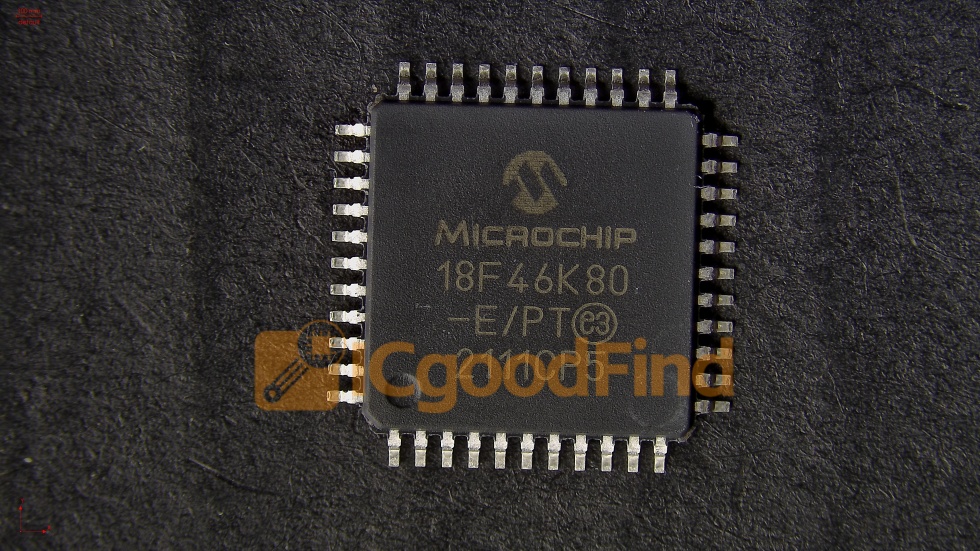
The ISO1050DUBR is a galvanically isolated CAN transceiver that meets the ISO 11898-2 standard. It integrates a CAN controller interface with a robust isolation barrier, enabling reliable data transmission in harsh electrical environments. The device is housed in a compact SOIC-8 package, making it suitable for space-constrained designs.
1.2 Core Specifications
- Isolation Voltage: 5000 Vrms (per UL 1577) – This ensures that high-voltage transients on the bus side do not damage the low-voltage controller side.
- Data Rate: Up to 1 Mbps – Supports both classic CAN and CAN FD (Flexible Data Rate) protocols.
- Supply Voltage: 3.3V or 5V on the logic side, and 5V on the bus side – Allows flexible integration with various microcontrollers.
- Operating Temperature Range: -40°C to +125°C – Ideal for automotive and industrial environments.
- Bus Fault Protection: Up to ±58V – Protects against short circuits to battery or ground.
- Common-Mode Voltage Range: ±12V – Ensures reliable operation in noisy environments.
1.3 Why Isolation Matters
In many applications, the CAN bus must traverse long distances or operate in areas with high electromagnetic interference (EMI). Without isolation, ground loops can introduce noise, cause data corruption, or even destroy sensitive electronics. The ISO1050DUBR uses capacitive coupling technology to provide a reinforced isolation barrier, which eliminates ground loops and enhances system reliability. This is particularly critical in electric vehicles (EVs), where the high-voltage battery pack and low-voltage control systems must coexist safely.
1.4 Comparison with Non-Isolated Transceivers
While non-isolated transceivers like the SN65HVD230 are cheaper, they lack the galvanic isolation that the ISO1050DUBR offers. For example, in a solar inverter system, a non-isolated transceiver could allow high-voltage spikes to propagate to the microcontroller, causing permanent damage. The ISO1050DUBR prevents this by physically separating the bus and logic domains. At ICGOODFIND, we often recommend the ISO1050DUBR for projects where safety and reliability are paramount.
Part 2: Application Scenarios and Design Integration
2.1 Automotive Electronics
The automotive industry is the largest adopter of CAN bus technology, and the ISO1050DUBR is a natural fit for electric vehicles (EVs), hybrid electric vehicles (HEVs), and advanced driver-assistance systems (ADAS). In an EV, the CAN bus connects the battery management system (BMS), motor controller, and onboard charger. The ISO1050DUBR ensures that high-voltage transients from the traction battery do not interfere with the low-voltage control unit.
Example Use Case: A Tesla Model 3 uses multiple isolated CAN transceivers to communicate between the BMS and the main vehicle controller. The ISO1050DUBR would be an excellent choice for such a design due to its 5000 Vrms isolation and ±58V fault protection.
2.2 Industrial Automation
In factory automation, CAN bus is used for PLC-to-sensor communication, robotic arm control, and conveyor belt synchronization. Industrial environments are notorious for electrical noise from motors, welders, and power supplies. The ISO1050DUBR provides common-mode transient immunity of up to 100 kV/µs, ensuring error-free data transmission even in the presence of strong EMI.
Design Tip: When integrating the ISO1050DUBR into an industrial design, always place decoupling capacitors (e.g., 0.1 µF and 10 µF) close to the power pins. This reduces high-frequency noise and improves signal integrity. At ICGOODFIND, we stock a range of compatible capacitors and connectors to simplify your BOM.
2.3 Medical Devices
Medical equipment such as patient monitors, infusion pumps, and diagnostic imaging systems often require galvanic isolation to protect patients from electrical shock. The ISO1050DUBR meets the 2 MOPP (Means of Patient Protection) requirements for medical applications, making it a safe choice for devices that communicate over CAN bus.
Regulatory Note: The ISO1050DUBR is certified to IEC 60601-1 for medical electrical equipment. When designing a medical device, ensure that the isolation barrier is not compromised by PCB layout or external components. Use creepage and clearance guidelines from the datasheet to maintain safety margins.
2.4 Renewable Energy Systems
Solar inverters, wind turbines, and energy storage systems rely on CAN bus for real-time monitoring and control. The ISO1050DUBR is ideal for these applications because it can withstand high common-mode voltages (up to ±12V) and transient overvoltages from grid fluctuations. For example, in a string inverter, the ISO1050DUBR can isolate the MPPT (Maximum Power Point Tracking) controller from the DC-DC converter, preventing ground loops that could reduce efficiency.
Part 3: Design Considerations and Best Practices
3.1 PCB Layout Guidelines
Proper PCB layout is critical for maximizing the performance of the ISO1050DUBR. Follow these guidelines:
- Keep the isolation barrier clear: Do not route traces or place vias under the isolation barrier region of the IC. This maintains the creepage distance required for high-voltage isolation.
- Use a solid ground plane: On the logic side, use a continuous ground plane to reduce EMI. On the bus side, use a separate ground plane connected via a 0-ohm resistor or ferrite bead to control ground loops.
- Minimize trace length: Keep the traces between the ISO1050DUBR and the CAN connector as short as possible to reduce parasitic inductance.
3.2 Power Supply Considerations
The ISO1050DUBR requires two separate power supplies: one for the logic side (VCC1) and one for the bus side (VCC2). Use isolated DC-DC converters (e.g., the ISO7221 or ADuM5401) to generate the bus-side supply if a dedicated isolated rail is not available. At ICGOODFIND, we offer a wide selection of isolated power modules that pair perfectly with the ISO1050DUBR.
3.3 Termination and Bus Protection
For reliable CAN communication, terminate both ends of the bus with 120-ohm resistors. The ISO1050DUBR includes internal bus fault protection up to ±58V, but external TVS diodes (e.g., P6KE6.8A) can provide additional protection against lightning surges or electrostatic discharge (ESD). Place these diodes close to the CANH and CANL pins.
3.4 Thermal Management
The ISO1050DUBR can dissipate up to 0.5W under full load. In high-temperature environments (e.g., engine compartments), ensure adequate airflow or attach a small heatsink to the IC. The SOIC-8 package has a thermal resistance of 150°C/W (junction-to-ambient), so keep the ambient temperature below 105°C to avoid thermal shutdown.
3.5 Common Pitfalls to Avoid
- Using the wrong supply voltage: The logic side can operate at 3.3V or 5V, but the bus side must be 5V. Connecting 3.3V to VCC2 will cause the transceiver to malfunction.
- Ignoring common-mode voltage: The ISO1050DUBR supports ±12V common-mode, but if your bus has a higher common-mode voltage (e.g., in a 48V system), use an external common-mode choke to reduce stress.
- Skipping isolation certification: For medical or automotive designs, always verify that the ISO1050DUBR meets the required safety standards (e.g., UL 1577, IEC 60747-17). At ICGOODFIND, we provide certificates of compliance for all components.
Conclusion
The ISO1050DUBR is more than just a CAN transceiver—it is a reliable, isolated communication bridge that enables safe and robust data exchange in demanding applications. From electric vehicles to medical devices, its 5000 Vrms isolation, ±58V fault protection, and 1 Mbps data rate make it a top choice for engineers who prioritize safety and performance.
When sourcing the ISO1050DUBR, trust ICGOODFIND for genuine, high-quality components. We offer competitive pricing, fast shipping, and technical support to help you integrate this critical IC into your design. Whether you are prototyping a new product or scaling up production, the ISO1050DUBR will provide the isolation and reliability your system needs.
Remember: In a world where electrical noise and ground loops can disrupt communication, the ISO1050DUBR stands as a silent guardian, ensuring your data flows cleanly and safely. Choose it for your next project, and experience the difference that true isolation makes.