
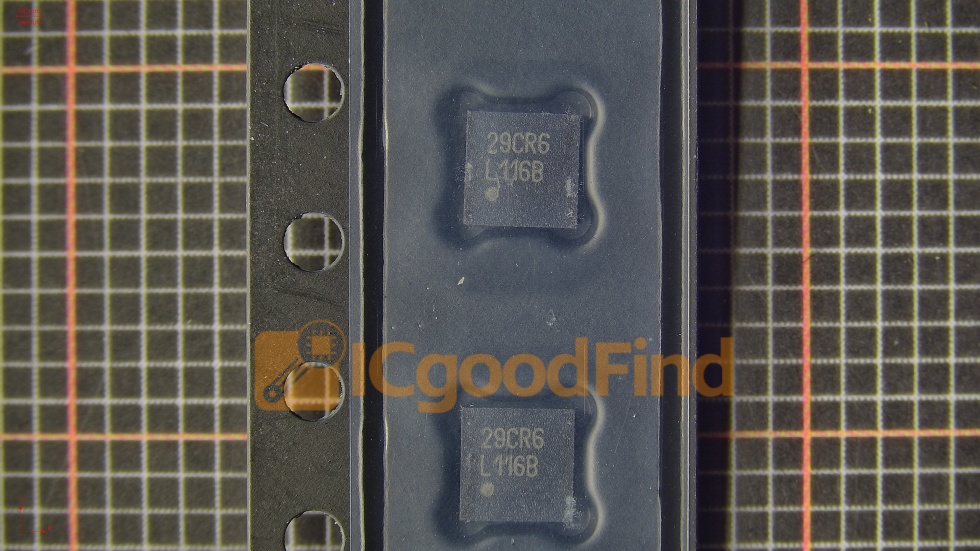
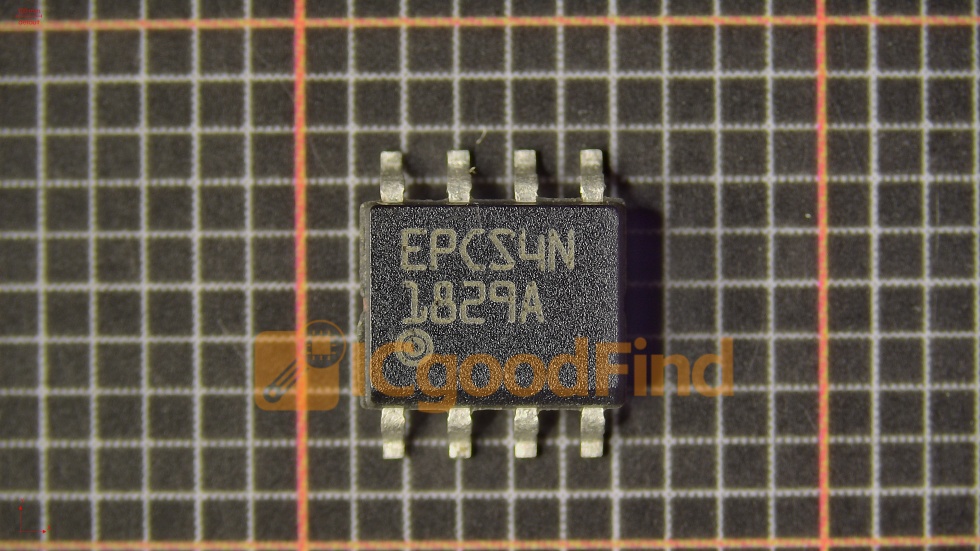
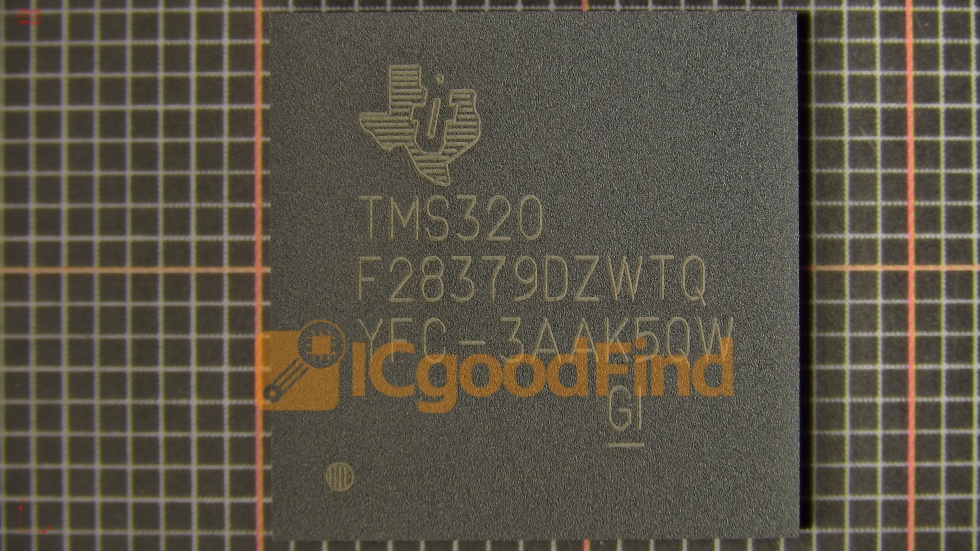
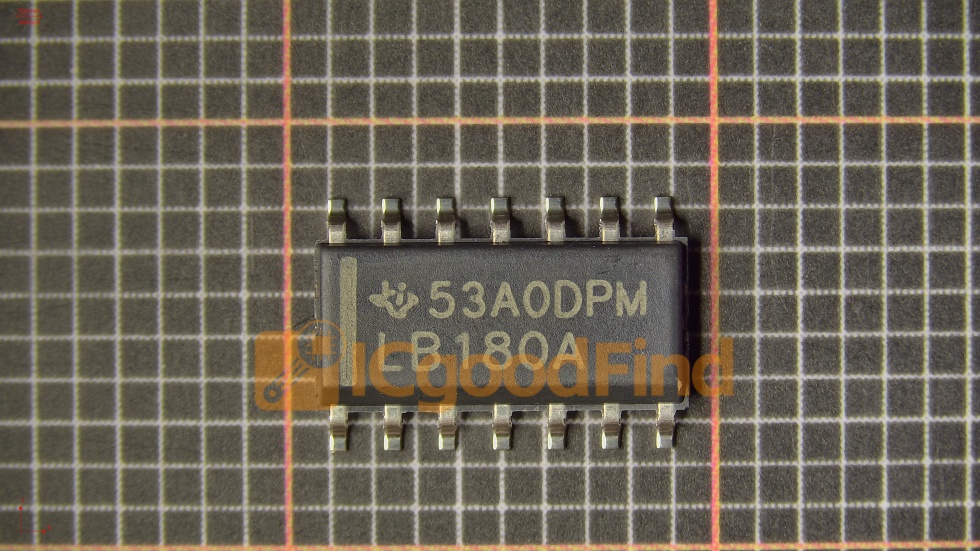

Battery Management Solution BMS IC Chips: The Backbone of Modern Energy Systems
Introduction
In the rapidly evolving landscape of portable electronics, electric vehicles (EVs), and renewable energy storage, the demand for reliable, efficient, and safe battery systems has never been higher. At the heart of every advanced battery pack lies a critical component: the Battery Management Solution BMS IC chip. These specialized integrated circuits are responsible for monitoring, protecting, and optimizing battery performance, ensuring longevity, safety, and efficiency. As industries push toward higher energy densities and faster charging, the role of BMS ICs becomes increasingly indispensable. For those seeking cutting-edge sourcing and supply chain solutions, ICGOODFIND offers a comprehensive platform to discover and procure the latest BMS IC chips from global manufacturers. This article explores the fundamentals, key technologies, and future trends of battery management solution BMS IC chips, providing a deep dive into why they are the unsung heroes of modern energy systems.
Part 1: Understanding the Core Functions of BMS IC Chips
1.1 Voltage, Current, and Temperature Monitoring
The primary responsibility of any Battery Management Solution BMS IC chip is to continuously monitor the critical parameters of each cell within a battery pack. This includes voltage, current, and temperature. Accurate voltage measurement is essential for determining the state of charge (SoC) and preventing overcharge or over-discharge, both of which can lead to permanent cell damage or even thermal runaway. Current monitoring ensures that the battery operates within safe limits during charging and discharging, while temperature sensors embedded in the BMS IC detect abnormal heat buildup, triggering protective actions.
Modern BMS ICs achieve high-precision monitoring through analog-to-digital converters (ADCs) with resolutions of 12 to 16 bits or higher. For example, devices like the Texas Instruments BQ76952 or Analog Devices LTC6811 can measure cell voltages with an accuracy of ±1 mV, enabling precise balancing and state estimation. ICGOODFIND lists a wide range of such high-precision BMS ICs, allowing engineers to compare specifications and select the optimal chip for their application.
1.2 Cell Balancing: Passive vs. Active
One of the most critical functions of a BMS IC is cell balancing. In a series-connected battery pack, individual cells may have slight differences in capacity, internal resistance, or self-discharge rate. Over time, these imbalances can cause some cells to overcharge while others remain undercharged, reducing overall pack capacity and lifespan. BMS ICs implement two main balancing strategies:
- Passive balancing: The BMS IC dissipates excess energy from higher-voltage cells as heat through a resistor. This method is simple and low-cost but wastes energy and generates heat. It is commonly used in low-power applications like consumer electronics.
- Active balancing: The BMS IC transfers energy from higher-voltage cells to lower-voltage cells using capacitors or inductors. This approach is more efficient (up to 90% energy recovery) and is preferred in high-capacity systems like EV batteries and grid storage.
Advanced BMS ICs, such as the Renesas RAJ240100, integrate active balancing algorithms that dynamically adjust balancing current based on cell conditions, maximizing pack utilization. ICGOODFIND provides detailed datasheets and application notes for these chips, helping designers implement efficient balancing solutions.
1.3 Protection Features: Overvoltage, Undervoltage, Overcurrent, and Short Circuit
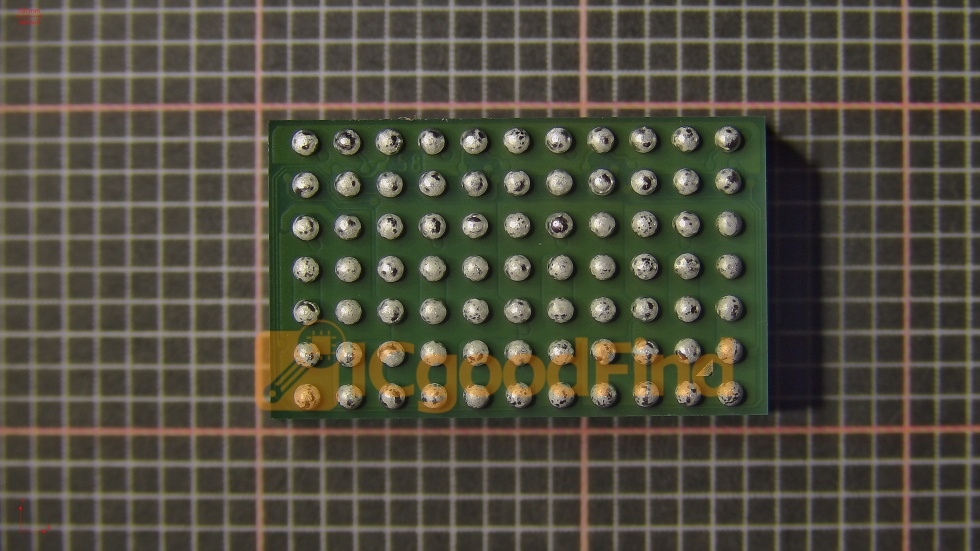
Safety is paramount in battery systems, and BMS ICs are equipped with multiple protection mechanisms. Overvoltage protection (OVP) prevents cells from exceeding their maximum safe voltage, typically around 4.2V for lithium-ion cells. Undervoltage protection (UVP) stops discharge when cell voltage drops below a threshold (e.g., 2.5V) to avoid irreversible damage. Overcurrent protection (OCP) limits current during high-load conditions, while short-circuit protection (SCP) instantly disconnects the battery in the event of a fault.
Many BMS ICs also include thermal shutdown and reverse polarity protection. For instance, the Maxim MAX17320 integrates a comprehensive protection suite with programmable thresholds and fault logging, enabling designers to tailor safety parameters to specific battery chemistries. ICGOODFIND offers a curated selection of BMS ICs with robust protection features, ensuring compliance with industry safety standards like IEC 62133 and UL 2054.
Part 2: Advanced Technologies in Modern BMS IC Chips
2.1 State of Charge (SoC) and State of Health (SoH) Estimation
Accurate estimation of State of Charge (SoC) and State of Health (SoH) is crucial for battery management. SoC indicates the remaining energy in the battery, while SoH reflects the battery’s degradation over time. Traditional methods rely on voltage-based lookup tables, but these are inaccurate under dynamic load conditions. Modern BMS ICs use Coulomb counting combined with Kalman filtering or machine learning algorithms to improve accuracy.
For example, the NXP MC33772C BMS IC integrates a dedicated SoC engine that uses a combination of current integration and voltage correction, achieving accuracy within 1% under typical conditions. Some advanced chips, like the TI BQ40Z50, incorporate impedance tracking technology, which measures the battery’s internal resistance to estimate SoH. This allows predictive maintenance and extends battery life. ICGOODFIND provides access to these state-of-the-art BMS ICs, along with evaluation kits for rapid prototyping.
2.2 Communication Protocols: I2C, SMBus, CAN, and Wireless
BMS ICs must communicate with the host system (e.g., a vehicle ECU or a battery charger) to report status and receive commands. Common wired protocols include I2C and SMBus for low-power applications, and CAN bus for automotive and industrial systems. The ISO 11898 standard for CAN ensures robust, noise-immune communication in harsh environments.
Wireless BMS ICs are gaining traction, especially in applications where wiring is impractical, such as in modular battery packs or remote monitoring. Chips like the TI CC2650 integrate a BMS controller with a Bluetooth Low Energy (BLE) radio, enabling real-time data transmission to smartphones or cloud platforms. ICGOODFIND lists both wired and wireless BMS ICs, allowing engineers to choose the best communication interface for their design.
2.3 Integration with Power Management and Charging
Many modern BMS ICs integrate power management and charging functions, reducing component count and board space. For example, the MPS MP2790 combines a BMS controller with a buck-boost charger and fuel gauge, creating a complete power management solution for portable devices. Similarly, the Richtek RT9467 integrates a linear charger with cell balancing and protection, ideal for small-form-factor applications.
These integrated solutions simplify design and improve reliability. ICGOODFIND offers a wide range of such multi-functional BMS ICs, with detailed specifications and reference designs to accelerate development.
Part 3: Applications and Future Trends of BMS IC Chips
3.1 Electric Vehicles (EVs) and Hybrid Electric Vehicles (HEVs)
The automotive sector is the largest driver of BMS IC innovation. EV battery packs can contain hundreds to thousands of cells, requiring sophisticated BMS ICs to manage voltage, temperature, and balancing across the entire pack. Chips like the Infineon TLE9012DQU are designed for automotive-grade operation, with AEC-Q100 qualification and support for ISO 26262 functional safety standards.
Key requirements for automotive BMS ICs include high voltage isolation (up to 1000V), low quiescent current (to minimize battery drain when the vehicle is off), and fast fault detection (within microseconds). ICGOODFIND provides a comprehensive catalog of automotive BMS ICs, including those from leading manufacturers like STMicroelectronics, NXP, and Renesas.
3.2 Energy Storage Systems (ESS) and Renewable Integration
Grid-scale energy storage systems (ESS) rely on BMS ICs to manage large battery banks for solar and wind power smoothing. These systems require high cell count support (up to 48 cells or more per IC) and long-term reliability (10+ years). The Linear Technology LTC6813 (now part of Analog Devices) can monitor up to 18 cells in series and features isoSPI communication for noise immunity over long distances.
BMS ICs for ESS also need advanced diagnostics to detect cell degradation and predict failure. ICGOODFIND offers specialized BMS ICs for ESS applications, with features like cell voltage averaging and temperature gradient monitoring to ensure safe operation.
3.3 Consumer Electronics and Portable Devices
In smartphones, laptops, and power tools, BMS ICs are compact and energy-efficient. Chips like the TI BQ25601 integrate a charger, fuel gauge, and protection in a single 2mm x 3mm package. These ICs support fast charging protocols like USB PD and Qualcomm Quick Charge, while maintaining accurate SoC estimation.
The trend toward wearable devices and IoT sensors demands ultra-low-power BMS ICs with nanoamp-level standby current. ICGOODFIND lists BMS ICs from Maxim Integrated and Microchip Technology that consume less than 1 µA in sleep mode, enabling months of operation on a single charge.
3.4 Future Trends: AI Integration, Solid-State Batteries, and Wireless BMS
The future of BMS ICs is shaped by three key trends:
- AI and machine learning: Next-generation BMS ICs will embed neural network accelerators to predict battery behavior, optimize charging profiles, and detect anomalies in real time. Companies like Qualcomm are developing BMS ICs with on-chip AI for adaptive battery management.
- Solid-state batteries: As solid-state batteries become commercial, BMS ICs must adapt to different voltage ranges (e.g., 2.5V–4.5V) and temperature sensitivities. New BMS ICs will need to handle higher energy densities and faster charging without compromising safety.
- Wireless BMS (wBMS): Eliminating wiring harnesses reduces weight and complexity in EVs. Analog Devices and TI are developing wBMS solutions using 2.4 GHz ISM band communication, with built-in security protocols to prevent hacking.
ICGOODFIND stays at the forefront of these trends, offering pre-release samples and design support for emerging BMS IC technologies.
Conclusion
Battery Management Solution BMS IC chips are the silent guardians of modern energy systems, ensuring safety, efficiency, and longevity across applications from smartphones to electric vehicles. Their ability to monitor, balance, protect, and communicate makes them indispensable in the transition to a sustainable energy future. As technology advances, BMS ICs will become smarter, more integrated, and more reliable, enabling higher performance and lower costs. For engineers and procurement professionals, ICGOODFIND provides a trusted platform to source the latest BMS ICs, with detailed specifications, competitive pricing, and expert support. Whether you are designing a next-generation EV battery pack or a compact wearable device, the right BMS IC is the key to unlocking your system’s full potential.







