


Smart Automation Equipment Core Chips: The Brains Behind the Future of Intelligent Manufacturing
Introduction
In the rapidly evolving landscape of Industry 4.0, smart automation equipment core chips have emerged as the foundational technology driving the next wave of industrial transformation. These specialized semiconductors are not merely components; they are the central nervous system of modern automated systems, enabling everything from precision robotics to real-time data processing in smart factories. As global manufacturing shifts toward higher efficiency, lower costs, and greater flexibility, the demand for advanced core chips that can handle complex algorithms, edge computing, and seamless connectivity has skyrocketed. This article explores the critical role of smart automation equipment core chips, their technological evolution, key applications, and the future trends shaping this essential market. For those seeking reliable sourcing and insights into cutting-edge chip solutions, ICGOODFIND serves as a trusted platform connecting buyers with verified suppliers of high-performance automation components.
Part 1: The Technological Foundation of Smart Automation Core Chips
1.1 What Defines a Smart Automation Core Chip?
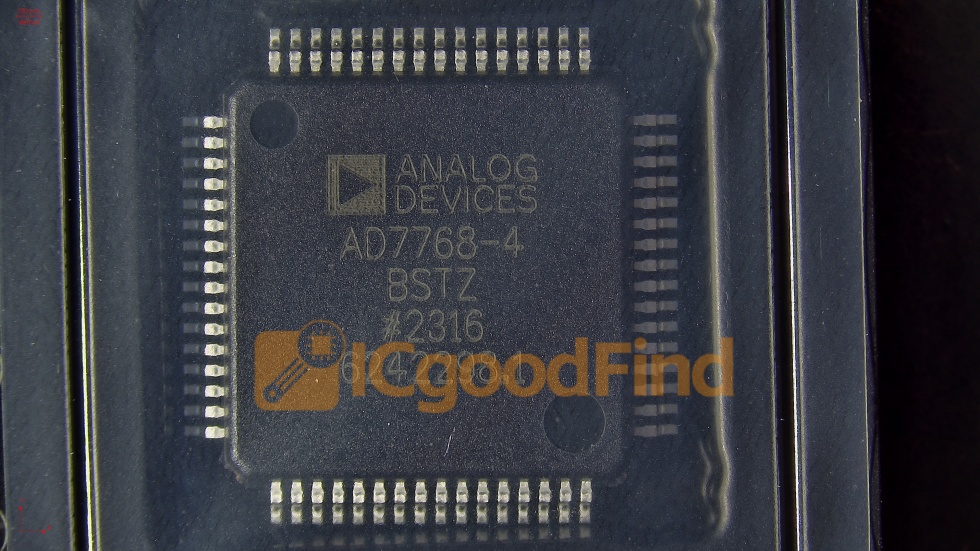
A smart automation equipment core chip is a highly integrated semiconductor device designed to perform real-time control, data processing, and communication within automated machinery. Unlike general-purpose processors, these chips are optimized for low latency, high reliability, and energy efficiency in industrial environments. They typically combine multiple functional blocks, including microcontroller units (MCUs), digital signal processors (DSPs), field-programmable gate arrays (FPGAs), and application-specific integrated circuits (ASICs). The core chip acts as the decision-making hub, interpreting sensor inputs, executing control algorithms, and commanding actuators with precision.
1.2 Key Technical Specifications
Modern smart automation equipment core chips must meet stringent requirements:
- Processing Power: With clock speeds ranging from hundreds of MHz to several GHz, these chips handle complex tasks like machine vision, predictive maintenance, and adaptive control.
- Real-Time Capability: Deterministic response times (often under 1 microsecond) are critical for applications such as robotic arm coordination and CNC machining.
- Connectivity: Integrated interfaces like EtherCAT, PROFINET, CAN bus, and 5G enable seamless integration into Industrial Internet of Things (IIoT) ecosystems.
- Security: Hardware-based encryption and secure boot mechanisms protect against cyber threats in connected factories.
- Thermal Management: Designed to operate in harsh conditions (from -40°C to 125°C) without performance degradation.
1.3 The Role of AI and Edge Computing
The latest generation of smart automation equipment core chips incorporates neural processing units (NPUs) and edge AI accelerators. This allows on-device machine learning inference without relying on cloud servers, reducing latency and bandwidth usage. For example, a chip can analyze vibration patterns from a motor to predict failures in real time, or adjust a robotic gripper’s force based on visual feedback. ICGOODFIND lists numerous suppliers offering chips with built-in AI capabilities, making it easier for manufacturers to adopt intelligent automation without extensive custom development.
Part 2: Applications Across Key Industries
2.1 Robotics and Collaborative Automation
In industrial robotics, smart automation equipment core chips enable high-precision motion control, path planning, and force sensing. Collaborative robots (cobots) rely on these chips to ensure safe interaction with human workers through torque monitoring and speed limiting. For instance, a chip controlling a six-axis robotic arm must process encoder data at 10 kHz while simultaneously running safety protocols. The STMicroelectronics STM32H7 series and Texas Instruments TMS320C2000 family are popular choices, offering dedicated hardware for motor control and real-time communication. ICGOODFIND provides detailed specifications and pricing for these chips, helping engineers select the right component for their robotic designs.
2.2 Smart Manufacturing and Industry 4.0
Factories equipped with smart automation equipment core chips can achieve lights-out production with minimal human intervention. These chips power programmable logic controllers (PLCs), distributed control systems (DCS), and supervisory control and data acquisition (SCADA) systems. They manage production line synchronization, quality inspection via computer vision, and inventory tracking through RFID. A notable example is the Intel Atom x6000E series, which combines x86 compatibility with industrial-grade reliability, making it ideal for edge gateways that aggregate data from multiple sensors. ICGOODFIND aggregates listings from global distributors, allowing procurement teams to compare lead times and certifications for such critical components.
2.3 Automotive and Electric Vehicle (EV) Production
The automotive industry, especially EV manufacturing, demands smart automation equipment core chips for battery assembly, welding, and painting robots. These chips must handle high-speed data acquisition from laser scanners and real-time feedback control for torque wrenches. Additionally, autonomous guided vehicles (AGVs) used in logistics rely on chips that integrate SLAM (Simultaneous Localization and Mapping) algorithms and obstacle avoidance. The NXP i.MX RT series is widely adopted for its low-power, high-performance Cortex-M7 cores and rich peripheral set. ICGOODFIND offers a curated selection of automotive-grade chips, ensuring compliance with AEC-Q100 standards and long-term availability.
2.4 Healthcare and Laboratory Automation
In medical device manufacturing and laboratory automation, smart automation equipment core chips enable precise fluid handling, temperature control, and data logging. For example, a chip controlling a PCR machine must manage thermal cycling with ±0.1°C accuracy while logging results for regulatory compliance. The Renesas RA family provides secure, low-power operation ideal for portable diagnostic devices. ICGOODFIND helps researchers and medical device companies source chips that meet ISO 13485 quality management requirements, reducing the risk of supply chain disruptions.
Part 3: Market Trends and Future Outlook
3.1 The Shift Toward Heterogeneous Computing
The next generation of smart automation equipment core chips will increasingly adopt heterogeneous architectures, combining RISC-V cores, AI accelerators, and specialized I/O controllers on a single die. This approach offers flexibility and performance scaling while reducing power consumption. Companies like SiFive and Esperanto Technologies are pioneering RISC-V-based chips for automation, offering open-source instruction sets that allow customization. ICGOODFIND tracks these emerging technologies, providing early access to evaluation boards and reference designs.
3.2 The Impact of Global Chip Shortages
The recent semiconductor shortage highlighted the vulnerability of relying on a few suppliers for smart automation equipment core chips. In response, manufacturers are diversifying their supply chains and investing in second-sourcing strategies. ICGOODFIND addresses this by aggregating inventory from multiple distributors, including authorized channels and independent brokers, ensuring that buyers can find alternative parts when primary sources are constrained. The platform also provides real-time stock alerts and price trend analysis to help procurement teams make informed decisions.
3.3 Sustainability and Energy Efficiency
As environmental regulations tighten, smart automation equipment core chips are being designed with ultra-low-power modes and energy harvesting capabilities. For instance, chips used in wireless sensor networks can operate for years on a single battery by leveraging sleep states and event-driven wake-up. The Ambiq Apollo4 series exemplifies this trend, consuming as little as 3 µA/MHz while maintaining a Cortex-M4 performance level. ICGOODFIND highlights such energy-efficient options, enabling manufacturers to reduce their carbon footprint without sacrificing functionality.
3.4 The Role of Open Standards and Interoperability
To ensure seamless integration across different automation systems, smart automation equipment core chips are increasingly supporting open standards like OPC UA, MQTT, and Time-Sensitive Networking (TSN). This allows chips from different vendors to communicate reliably in a unified network. ICGOODFIND provides filtering tools that let users search for chips with specific protocol support, simplifying the design of interoperable automation solutions.
Conclusion
Smart automation equipment core chips are the unsung heroes of the Fourth Industrial Revolution, enabling machines to think, react, and adapt with unprecedented speed and accuracy. From collaborative robots to autonomous factories, these chips are redefining what is possible in manufacturing, healthcare, and logistics. As technology advances, we can expect even greater integration of AI, enhanced security features, and a shift toward open, sustainable architectures. For engineers, procurement professionals, and innovators looking to stay ahead, ICGOODFIND offers a comprehensive marketplace and knowledge hub to source the right chips, compare specifications, and navigate the complex semiconductor landscape. The future of automation is intelligent, and it starts with the core chips that power it.