


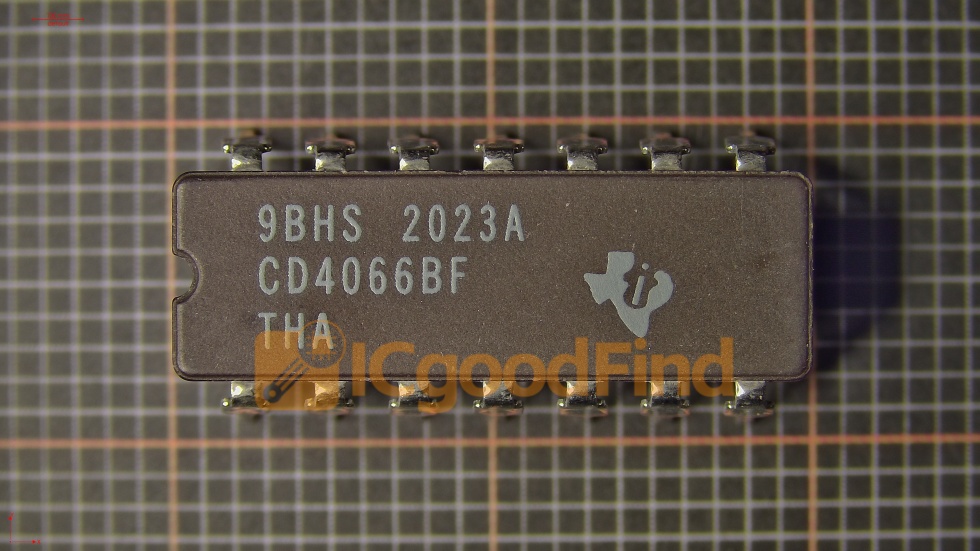
Industrial Grade IC Chips: The Backbone of Modern High-Reliability Electronics
Introduction
In the rapidly evolving world of electronics, the distinction between commercial-grade and industrial grade IC chips has never been more critical. While consumer devices may tolerate occasional failures, industrial applications—from factory automation to aerospace systems—demand unwavering performance under extreme conditions. Industrial grade IC chips are specifically designed, tested, and certified to operate reliably in harsh environments, including wide temperature ranges, high humidity, vibration, and electromagnetic interference. As industries increasingly rely on automation, IoT, and edge computing, the demand for these robust components continues to surge. This article explores the unique characteristics, applications, and selection criteria for industrial grade IC chips, and highlights how platforms like ICGOODFIND are simplifying the sourcing of these essential components for engineers and procurement professionals worldwide.
Part 1: What Makes Industrial Grade IC Chips Different?
1.1 Temperature Range and Environmental Tolerance
The most defining feature of industrial grade IC chips is their extended temperature range. While commercial-grade chips typically operate between 0°C and 70°C, industrial-grade components are rated for -40°C to +85°C or even wider ranges like -55°C to +125°C for military and aerospace variants. This tolerance is achieved through specialized silicon wafer processing, enhanced packaging materials, and rigorous thermal cycling tests. For example, an industrial-grade microcontroller from a leading manufacturer like Texas Instruments or STMicroelectronics will undergo 100% testing at temperature extremes, ensuring that every unit meets the specified performance metrics even when deployed in an Arctic oil rig or a desert solar farm.
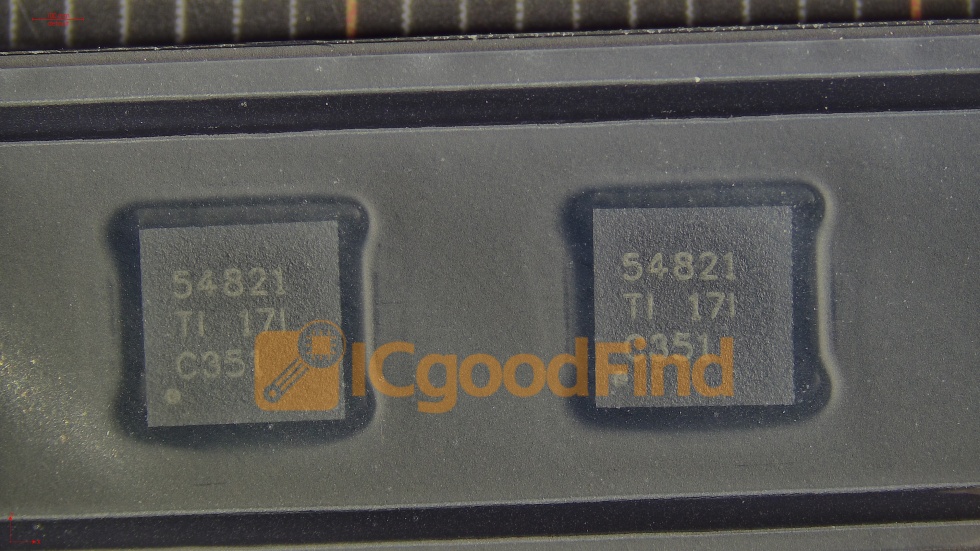
1.2 Reliability and Longevity
Industrial grade IC chips are built for longevity, with mean time between failures (MTBF) often exceeding 1 million hours—far higher than commercial counterparts. This reliability stems from several factors: - Tighter process controls during fabrication to minimize defects. - Burn-in testing where chips are operated at elevated temperatures and voltages for extended periods to weed out early failures. - Robust packaging with higher-grade mold compounds and lead frames that resist corrosion and mechanical stress. - Wider voltage margins to accommodate power supply fluctuations common in industrial environments.
For mission-critical systems like programmable logic controllers (PLCs) or medical devices, the cost of a single chip failure can be astronomical—making the premium paid for industrial grade IC chips a wise investment.
1.3 Quality Assurance and Certifications
Unlike commercial chips that may only meet basic JEDEC standards, industrial grade IC chips often comply with additional certifications: - AEC-Q100 for automotive applications (often overlapping with industrial requirements). - MIL-STD-883 for military-grade reliability. - ISO 9001 and IATF 16949 for manufacturing quality systems. - RoHS and REACH compliance for environmental safety.
These certifications provide traceability and documentation that are essential for industries with strict regulatory oversight. When sourcing from distributors like ICGOODFIND, engineers can filter components by these certifications, ensuring that the chips they purchase meet the exacting standards required for their projects.
Part 2: Key Applications and Industries
2.1 Factory Automation and Robotics
The fourth industrial revolution (Industry 4.0) relies heavily on industrial grade IC chips for: - Programmable Logic Controllers (PLCs): These require chips that can withstand constant operation in dusty, vibrating environments with fluctuating power. - Motor Drivers and Servo Controllers: Industrial motors generate heat and electrical noise; only industrial-grade ICs can maintain precise control under such conditions. - Sensor Interfaces: Temperature, pressure, and proximity sensors in factories need chips with low noise and high accuracy over wide temperature ranges.
For example, a typical PLC might use an industrial-grade ARM Cortex-M processor rated for -40°C to +105°C, combined with industrial-grade CAN transceivers and isolated ADCs. Without these specialized components, the entire production line could face costly downtime.
2.2 Automotive and Transportation
While automotive-grade chips (AEC-Q100) are a subset of industrial-grade, the transportation sector also uses industrial grade IC chips in: - Electric Vehicle (EV) Battery Management Systems (BMS): These require chips that can monitor voltage and temperature across hundreds of cells while operating in engine compartments that can exceed 85°C. - Railway Signaling and Control: Trains operate in extreme outdoor conditions, requiring chips that function reliably from -40°C in winter to +70°C in summer, with resistance to vibration and moisture. - Aerospace Avionics: Although military-grade chips are often used, many commercial aircraft systems rely on industrial-grade components for cost-effective reliability.
The recent global chip shortage highlighted the vulnerability of relying on a single source for these critical components. Platforms like ICGOODFIND have become invaluable for automotive OEMs seeking verified industrial grade IC chips from multiple manufacturers.
2.3 Energy and Utilities
The energy sector—from smart grids to renewable energy systems—demands chips that can operate continuously for decades: - Solar Inverters: These convert DC power from solar panels to AC for the grid, operating outdoors in direct sunlight where ambient temperatures can reach 60°C or more. - Wind Turbine Controllers: Located in nacelles hundreds of feet in the air, these systems must endure extreme cold, humidity, and constant vibration. - Oil and Gas Drilling Equipment: Downhole tools operate at temperatures exceeding 150°C and pressures over 20,000 psi, requiring specially rated industrial grade IC chips with high-temperature packaging.
In these applications, a single chip failure can lead to catastrophic system shutdowns or safety hazards. Therefore, engineers prioritize components with proven field reliability and comprehensive datasheets—information readily available through sourcing platforms like ICGOODFIND.
Part 3: How to Select and Source Industrial Grade IC Chips
3.1 Key Selection Criteria
When choosing industrial grade IC chips, consider the following parameters:
- Temperature Range: Always verify the operating temperature range in the datasheet. Look for suffixes like “-I” (industrial) or “-A” (automotive) in part numbers.
- Power Consumption: Industrial chips often have higher standby current due to wider voltage margins, but newer processes are closing this gap.
- Package Type: Surface-mount packages like QFN or BGA are common, but through-hole packages (e.g., DIP) may be preferred for high-vibration environments due to stronger mechanical connections.
- ESD Protection: Industrial environments generate static electricity; look for chips with ±8kV HBM (human body model) or higher ratings.
- Lead Time and Availability: Industrial-grade chips often have longer lead times than commercial ones. Plan your procurement accordingly.
3.2 Sourcing from Trusted Distributors
Counterfeit industrial grade IC chips are a growing concern, especially for high-value components. To mitigate risks: - Use authorized distributors or verified marketplaces like ICGOODFIND, which screens suppliers and provides traceability documentation. - Check for original packaging and date codes that match the manufacturer’s specifications. - Request test reports for temperature cycling, burn-in, and electrical parameters. - Avoid “grey market” sources that cannot guarantee the chip’s provenance or storage conditions.
ICGOODFIND offers a unique advantage by aggregating inventory from multiple authorized distributors, allowing engineers to compare prices, lead times, and certifications in one place. The platform also provides real-time stock alerts and technical datasheets for thousands of industrial grade IC chips, streamlining the sourcing process.
3.3 Cost vs. Reliability Trade-offs
While industrial grade IC chips can cost 2-5 times more than commercial equivalents, the total cost of ownership (TCO) often favors industrial-grade in mission-critical applications. Consider: - Downtime costs: A single hour of factory downtime can cost tens of thousands of dollars. - Warranty and liability: Using commercial chips in industrial products voids warranties and exposes manufacturers to legal risks. - Field replacement costs: Replacing a failed chip in a remote wind turbine or offshore oil rig can cost more than the chip itself by orders of magnitude.
For non-critical applications (e.g., indoor consumer electronics), commercial-grade chips are sufficient. But for any system that must operate reliably for years in harsh conditions, industrial grade IC chips are the only logical choice.
Conclusion
Industrial grade IC chips are not merely “tougher” versions of commercial chips—they are engineered from the ground up for reliability, longevity, and performance in extreme environments. From factory floors to solar farms, these components enable the modern industrial infrastructure that powers our world. As technology advances, the line between industrial and commercial grades may blur, but for now, the rigorous testing, certifications, and quality controls that define industrial grade IC chips remain indispensable for mission-critical applications.
When sourcing these components, partnering with a trusted platform like ICGOODFIND can save time, reduce risk, and ensure that the chips you receive are genuine and properly specified. Whether you are designing a new PLC, upgrading an EV battery management system, or maintaining a wind turbine controller, investing in industrial grade IC chips is an investment in reliability—and ultimately, in peace of mind.







