

The Ultimate Guide to Industrial Electronic Components: Trends, Applications, and Sourcing Strategies
Introduction
In the rapidly evolving landscape of modern manufacturing and automation, industrial electronic components serve as the foundational building blocks that power everything from robotic assembly lines to smart grid infrastructure. These components—ranging from microcontrollers and sensors to power modules and connectors—are critical for ensuring operational efficiency, reliability, and safety in industrial environments. As industries increasingly embrace Industry 4.0, the Internet of Things (IoT), and artificial intelligence, the demand for high-performance, durable, and cost-effective industrial electronic components has never been greater. Whether you are an engineer, procurement specialist, or business owner, understanding the nuances of these components is essential for optimizing production, reducing downtime, and staying competitive. This comprehensive guide explores the key categories, emerging trends, and best practices for sourcing industrial electronic components, with a special focus on how platforms like ICGOODFIND can streamline your supply chain and help you find the right parts at the right price.
Part 1: Key Categories and Applications of Industrial Electronic Components
1.1 Power Management and Conversion Components
At the heart of any industrial system lies the need for stable and efficient power delivery. Industrial electronic components in this category include power supplies, voltage regulators, DC-DC converters, and uninterruptible power supplies (UPS). These components ensure that sensitive equipment receives clean, regulated power, even in environments with fluctuating grid conditions. For example, in a factory automation system, a high-efficiency AC-DC power supply can reduce energy waste by up to 20%, directly impacting operational costs. Additionally, industrial-grade capacitors and inductors are used to filter noise and maintain signal integrity in high-frequency switching circuits. When selecting these components, engineers must consider factors such as temperature range, load capacity, and electromagnetic compatibility (EMC) to ensure long-term reliability.
1.2 Sensors and Actuators
Modern industrial systems rely heavily on real-time data acquisition and precise control. Industrial electronic components such as temperature sensors, pressure transducers, proximity sensors, and linear actuators enable machines to perceive their environment and respond accordingly. For instance, in a chemical processing plant, a high-accuracy pressure sensor can detect minute changes in pipeline pressure, triggering automatic valve adjustments to prevent leaks or explosions. Similarly, servo motors and stepper motors—often paired with encoder modules—provide the precise motion control required for CNC machining, 3D printing, and robotic arms. The trend toward smart sensors with built-in diagnostics and IoT connectivity is transforming maintenance strategies, allowing predictive alerts that minimize unplanned downtime.
1.3 Connectivity and Communication Modules
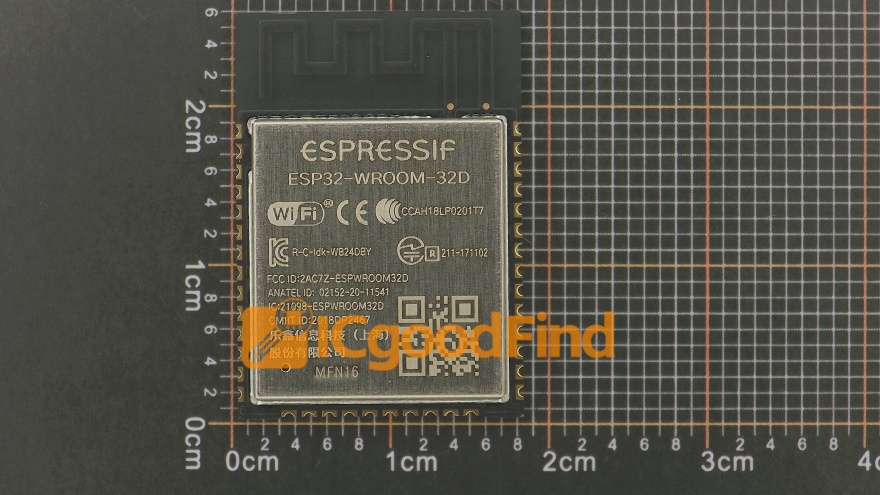
As factories become more interconnected, the role of industrial electronic components in enabling reliable communication cannot be overstated. Ethernet switches, industrial routers, serial-to-Ethernet converters, and wireless modules (e.g., Wi-Fi, Bluetooth, LoRaWAN) form the backbone of industrial networks. These components must withstand harsh conditions such as extreme temperatures, vibration, and electrical noise. Industrial-grade connectors and terminal blocks are equally critical, ensuring secure and durable connections in control panels and field devices. The adoption of Time-Sensitive Networking (TSN) and 5G is further pushing the boundaries of real-time data exchange, enabling synchronized operations across distributed systems.
Part 2: Emerging Trends Shaping the Industrial Electronic Components Market
2.1 Miniaturization and High-Density Integration
One of the most significant trends in industrial electronic components is the drive toward smaller, more powerful devices. System-in-Package (SiP) and Multi-Chip Modules (MCM) allow multiple functions—such as processing, memory, and sensing—to be integrated into a single package, reducing board space and improving thermal performance. This is particularly valuable in applications like portable diagnostic equipment and compact robotic end-effectors. However, miniaturization also introduces challenges in heat dissipation and electromagnetic interference (EMI), requiring advanced materials and design techniques. ICGOODFIND offers a wide selection of miniaturized components from leading manufacturers, helping engineers find the latest surface-mount devices (SMDs) and embedded modules that meet their size constraints without compromising performance.
2.2 Increased Focus on Reliability and Longevity
Industrial environments are unforgiving, with exposure to dust, moisture, chemicals, and extreme temperatures. As a result, industrial electronic components are increasingly designed to meet stringent IP ratings (e.g., IP67, IP68) and military-grade standards (e.g., MIL-STD-810). Conformal coating and hermetic sealing are common techniques to protect sensitive circuits from corrosion and mechanical stress. Moreover, the push for extended product lifecycles (often 10–15 years for industrial equipment) means that manufacturers must ensure long-term availability of components. This has led to a rise in obsolescence management services, where distributors like ICGOODFIND help clients identify alternative parts or last-time buys to avoid production disruptions.
2.3 Sustainability and Energy Efficiency
Environmental regulations and corporate sustainability goals are reshaping the design and sourcing of industrial electronic components. Wide-bandgap semiconductors such as silicon carbide (SiC) and gallium nitride (GaN) are gaining traction due to their ability to operate at higher voltages, frequencies, and temperatures with lower energy losses. These components are ideal for electric vehicle charging stations, solar inverters, and industrial motor drives. Additionally, energy-harvesting modules that capture ambient energy from vibration, light, or heat are being integrated into wireless sensor networks, reducing the need for battery replacements. When sourcing such components, it is important to verify compliance with RoHS, REACH, and WEEE directives, which restrict hazardous substances and promote recyclability.
Part 3: Best Practices for Sourcing Industrial Electronic Components
3.1 Partnering with Reliable Distributors and Platforms
The global supply chain for industrial electronic components is complex, with frequent shortages, counterfeit risks, and fluctuating lead times. To mitigate these challenges, it is essential to work with trusted distributors that offer authenticity guarantees, traceability, and flexible inventory management. Platforms like ICGOODFIND have emerged as powerful tools for sourcing, providing real-time pricing, stock availability, and cross-referencing across thousands of suppliers. By aggregating data from authorized distributors, ICGOODFIND enables buyers to compare options, check component specifications, and even set up automated alerts for price drops or stock replenishment. This transparency not only saves time but also reduces the risk of purchasing counterfeit or substandard parts.
3.2 Evaluating Technical Specifications and Compliance
Before finalizing a purchase, engineers and procurement teams must thoroughly evaluate the technical parameters of industrial electronic components. Key factors include operating temperature range, voltage and current ratings, tolerance, and package type. For example, a ceramic capacitor rated for X7R dielectric may be suitable for general-purpose filtering, but a C0G (NP0) capacitor is required for high-stability timing circuits. Additionally, certifications such as UL, CE, and ATEX (for explosive environments) are non-negotiable in many industries. ICGOODFIND provides detailed datasheets and compliance information for each component, allowing users to make informed decisions without cross-referencing multiple sources.
3.3 Managing Inventory and Lead Times
In the world of industrial electronic components, lead times can vary dramatically—from a few days for common parts to several months for specialized or high-demand items. Effective inventory management involves forecasting demand, maintaining safety stock, and establishing relationships with multiple suppliers. Just-in-time (JIT) delivery can reduce holding costs, but it requires reliable logistics and contingency plans. ICGOODFIND offers features such as lead-time tracking, bulk pricing, and drop-shipping options, helping businesses balance cost and availability. For critical projects, it is advisable to order samples first to verify compatibility and performance before committing to large volumes.

Conclusion
The world of industrial electronic components is vast, dynamic, and essential to the functioning of modern industry. From power management and sensors to connectivity modules and advanced semiconductors, these components enable the automation, efficiency, and intelligence that define today’s factories and infrastructure. As technology continues to evolve, staying informed about emerging trends—such as miniaturization, reliability enhancements, and energy efficiency—is crucial for making smart design and procurement decisions. Equally important is the ability to source components efficiently and securely, which is where platforms like ICGOODFIND prove invaluable. By providing access to a global network of suppliers, real-time data, and expert support, ICGOODFIND empowers businesses to navigate the complexities of the supply chain with confidence. Whether you are designing a new system or maintaining an existing one, investing in high-quality industrial electronic components and partnering with the right sourcing platform will ultimately drive performance, reduce costs, and ensure long-term success in an increasingly competitive landscape.