
The Ultimate Guide to Sourcing Authentic Electronic Components: Why Quality Matters in Modern Electronics
Introduction
In today’s fast-paced electronics industry, the demand for authentic electronic components has never been higher. From consumer gadgets to industrial automation, medical devices to aerospace systems, every circuit board relies on the integrity of its components. Yet, the global supply chain is increasingly plagued by counterfeit parts, substandard manufacturing, and unauthorized distribution. For engineers, procurement professionals, and business owners, distinguishing between genuine and fake components is not just a technical challenge—it is a matter of safety, reliability, and financial viability.
This comprehensive guide explores the critical importance of authentic electronic components, the risks of using counterfeit alternatives, and how to ensure your supply chain remains trustworthy. We will also highlight how platforms like ICGOODFIND are revolutionizing the way professionals verify and source genuine parts. By the end of this article, you will have a clear roadmap for protecting your projects and reputation.
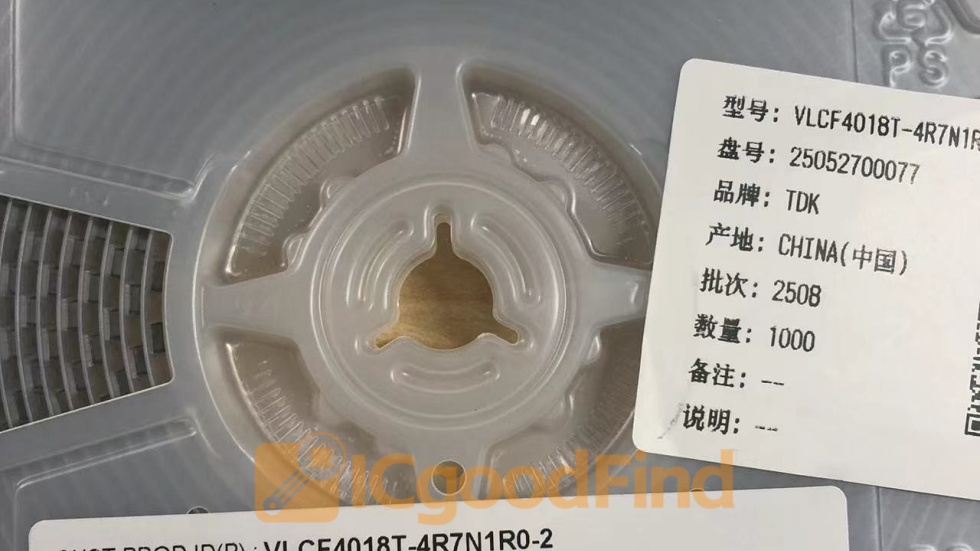
Part 1: The Hidden Dangers of Counterfeit Electronic Components
1.1 The Scale of the Counterfeit Problem
The global electronics industry loses an estimated $100 billion annually due to counterfeit components. These fake parts range from recycled chips with sanded-off markings to completely re-labeled inferior products. In sectors like defense, healthcare, and automotive, the consequences can be catastrophic. For example, a single counterfeit capacitor in a medical ventilator could lead to device failure during a life-critical operation.
Authentic electronic components undergo rigorous testing and certification processes. Counterfeit parts, on the other hand, often skip quality control entirely. They may have incorrect pin configurations, lower temperature tolerances, or hidden internal defects that only manifest under stress. The result? Unexpected system crashes, reduced lifespan, and costly recalls.
1.2 Common Types of Counterfeit Components
Understanding the enemy is the first step to defense. Here are the most frequent counterfeit techniques:
- Recycled or “Pulled” Components: Parts harvested from discarded circuit boards, cleaned, and resold as new. These often have degraded performance.
- Re-marked Parts: Lower-grade chips that are ground down and re-printed with a higher-grade part number.
- Clone or “Copycat” Parts: Unauthorized reproductions that mimic the original design but lack proper material composition.
- Out-of-Spec Parts: Components that failed original testing but are sold as “good” through gray-market channels.
Each of these counterfeit types poses unique risks. For instance, a re-marked microcontroller might work initially but fail after 100 hours of operation due to internal wire-bonding issues. Only authentic electronic components guarantee the performance and longevity specified in the datasheet.
1.3 Real-World Consequences
Consider the 2018 case of a major automotive manufacturer that discovered counterfeit resistors in its braking control modules. The faulty components caused intermittent brake failure, leading to a recall of over 1.2 million vehicles. The financial damage exceeded $300 million, not to mention the reputational harm. Similarly, in the defense sector, counterfeit chips in radar systems have been linked to mission-critical failures.
The lesson is clear: authentic electronic components are not a luxury—they are a non-negotiable requirement for any application where failure is not an option.
Part 2: How to Verify and Source Authentic Electronic Components
2.1 The Verification Process: From Visual Inspection to Advanced Testing
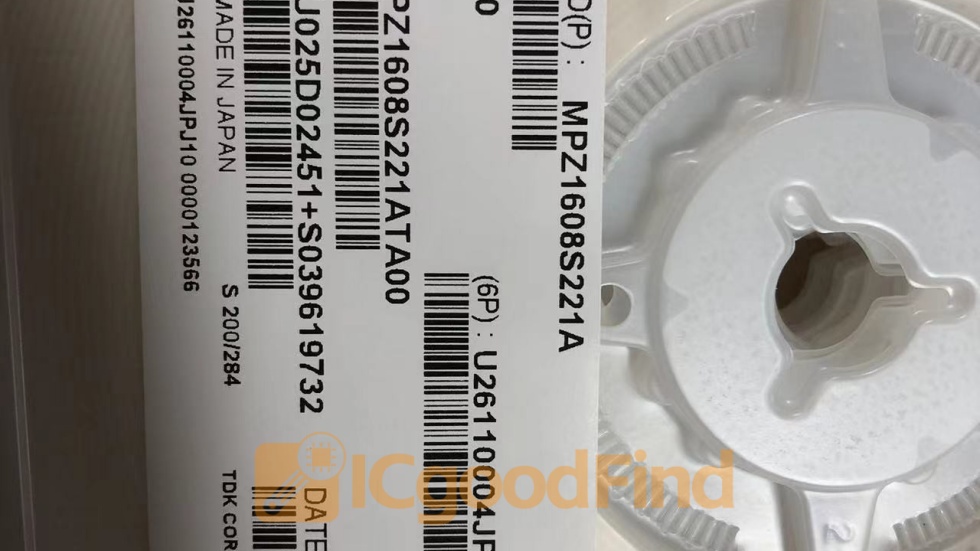
Ensuring component authenticity requires a multi-layered approach. Here are the key steps:
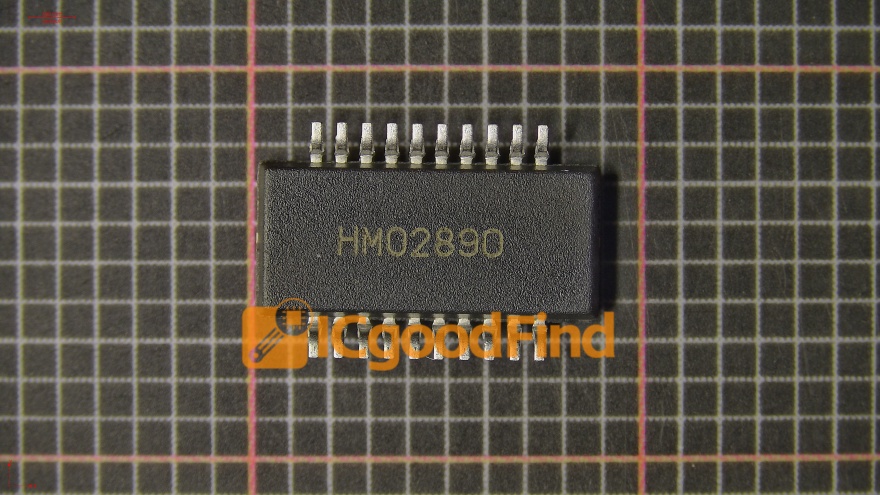
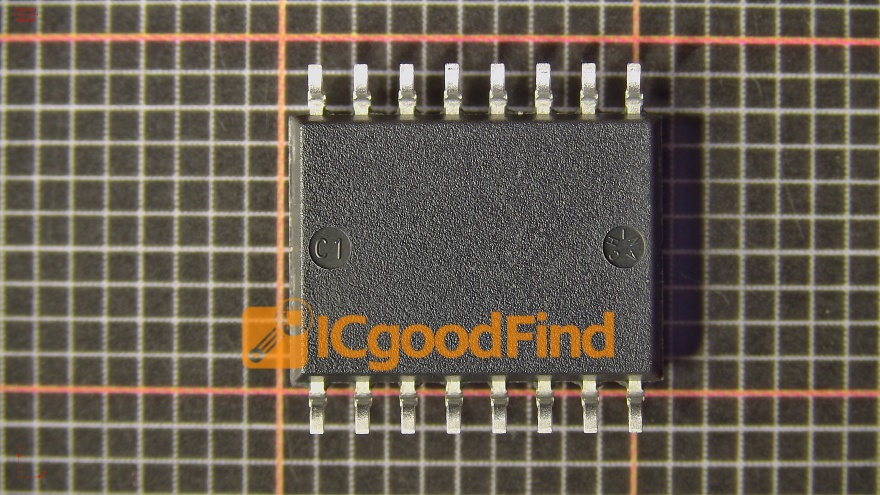
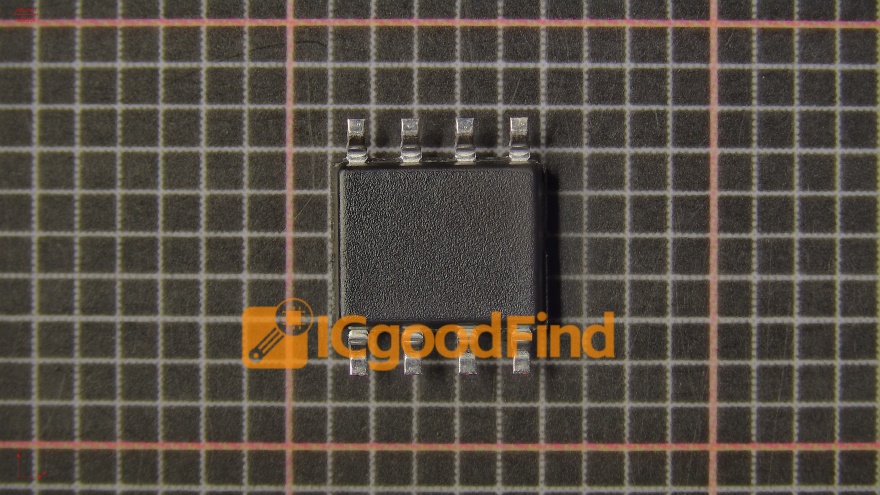
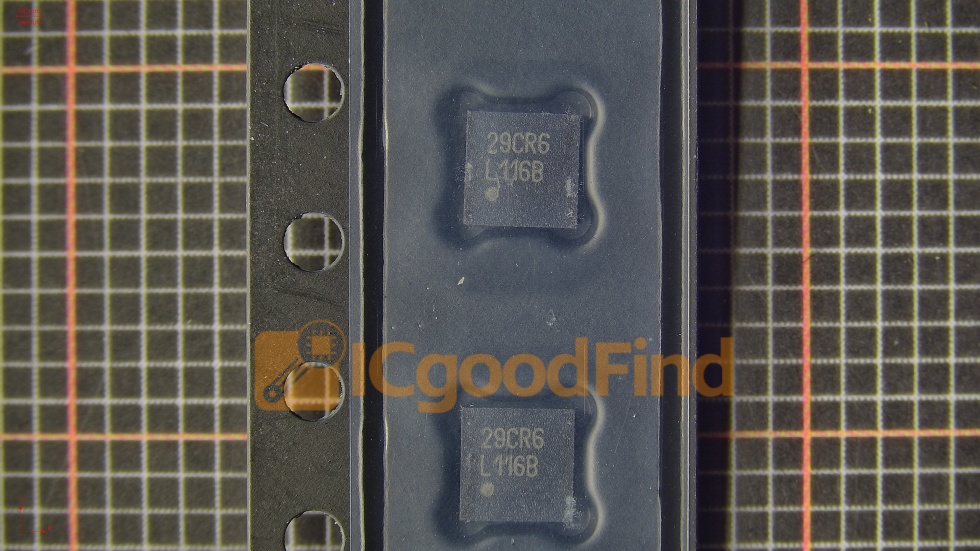
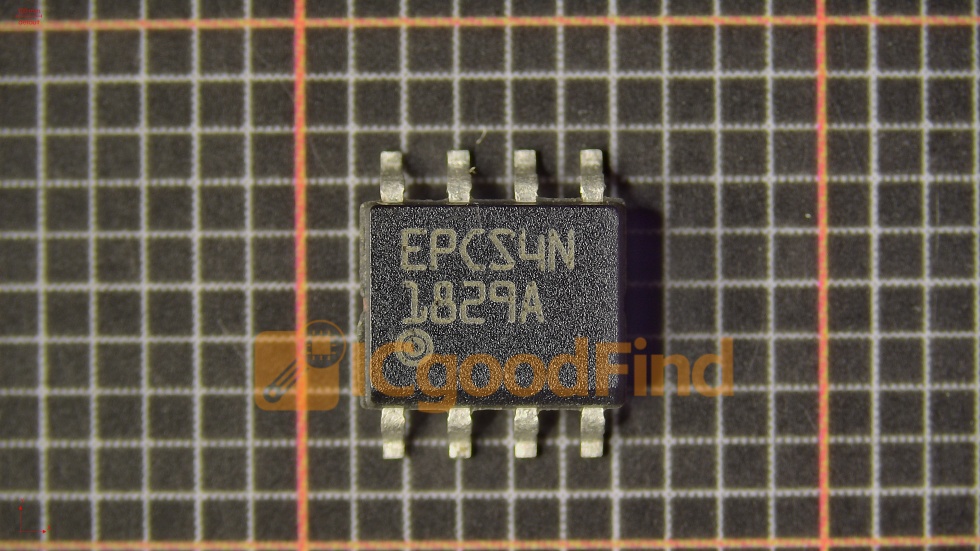
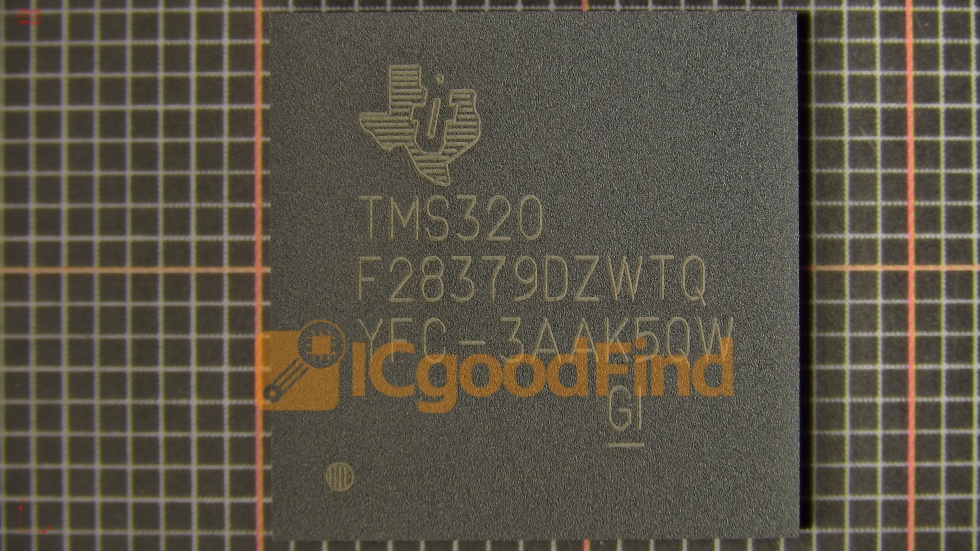
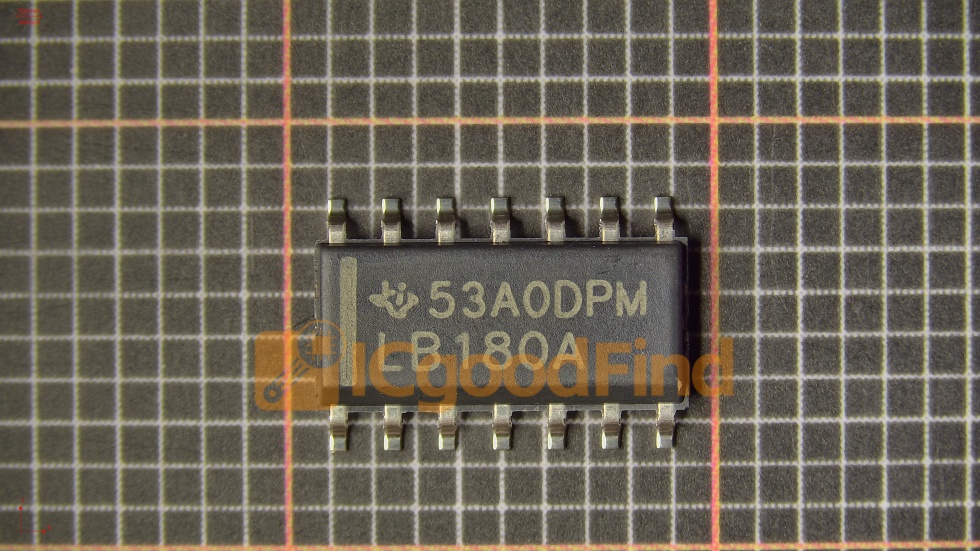
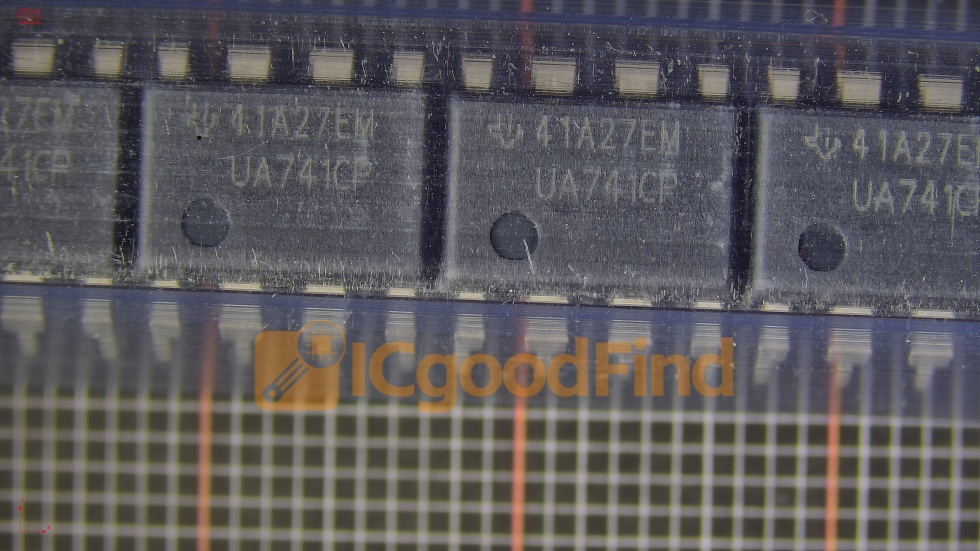
- Visual Inspection: Check for inconsistent markings, poor laser etching, or uneven packaging. Authentic parts from reputable manufacturers have precise, uniform labeling.
- X-Ray Analysis: Counterfeit parts often have internal die mismatches or missing bond wires. X-ray imaging reveals these hidden flaws.
- Electrical Testing: Measure parameters like voltage tolerance, current draw, and timing characteristics. Any deviation from the datasheet is a red flag.
- Chemical Analysis: Using techniques like FTIR (Fourier Transform Infrared Spectroscopy) to verify the molding compound matches the original manufacturer’s formula.
For high-stakes applications, many professionals turn to third-party testing labs. However, the most efficient approach is to partner with a trusted distributor that performs these checks in-house. Platforms like ICGOODFIND have built their reputation on rigorous authentication protocols, ensuring that every component listed is traceable back to the original manufacturer.
2.2 The Role of Authorized Distributors vs. Independent Distributors
The electronics supply chain includes two main channels:
- Authorized Distributors: Direct partners of manufacturers like Texas Instruments, STMicroelectronics, or Infineon. They offer 100% guaranteed authenticity but often have higher prices and longer lead times.
- Independent Distributors: These source from various channels, including excess inventory, overstock, and secondary markets. While they can offer better availability and pricing, the risk of counterfeits is higher.
The key is to choose independent distributors that invest heavily in authentication. ICGOODFIND bridges this gap by providing a marketplace where independent sellers are vetted, and every component is verified through a multi-step process. This gives buyers the flexibility of independent sourcing with the confidence of authorized quality.
2.3 Red Flags to Watch For
When sourcing authentic electronic components, be alert to these warning signs:
- Unusually Low Prices: If a deal seems too good to be true, it probably is. Counterfeiters often undercut genuine prices by 30-50%.
- Vague Documentation: Legitimate suppliers provide full traceability, including date codes, lot numbers, and country of origin.
- Poor Packaging: Authentic components come in anti-static bags with manufacturer-specific labeling. Torn or generic packaging is a red flag.
- Pressure to Buy Quickly: Scammers often create false urgency to prevent you from performing due diligence.
Always request a Certificate of Conformance (CoC) and, if possible, a third-party test report. Reputable platforms like ICGOODFIND make these documents readily available for every transaction.
Part 3: Best Practices for Building a Reliable Supply Chain
3.1 Developing a Sourcing Strategy
A proactive approach to sourcing authentic electronic components involves:
- Diversifying Suppliers: Relying on a single source is risky. Maintain relationships with at least two authorized distributors and one trusted independent platform.
- Forecasting Demand: Counterfeiters thrive on panic buying. By forecasting your needs 6-12 months ahead, you reduce the temptation to buy from unknown sources.
- Using Technology: Inventory management systems can flag components that are nearing end-of-life (EOL) or are known to be heavily counterfeited.
3.2 The Importance of Traceability
Traceability is the backbone of authenticity. Every authentic electronic component should have a clear chain of custody from the factory to your assembly line. This includes:
- Date Codes and Lot Numbers: These allow you to verify that the component was manufactured within the expected timeframe.
- Country of Origin: Many counterfeit operations are based in regions with weak IP enforcement.
- Shipping Records: Track the component’s journey through customs and logistics.
Platforms like ICGOODFIND provide digital traceability for every order, allowing you to audit the supply chain in real time. This transparency is invaluable for compliance with standards like ISO 9001 or AS9100.
3.3 Training Your Team
Even the best sourcing strategy fails if your team doesn’t know what to look for. Invest in training programs that cover:
- Basic counterfeit detection: Visual inspection techniques and common fraud patterns.
- Documentation review: How to read a CoC and spot inconsistencies.
- Emergency protocols: What to do if a counterfeit is discovered in your inventory.
Many industry associations, such as the ERAI (Electronic Resellers Association International), offer certification courses. Additionally, ICGOODFIND provides free educational resources and webinars to help procurement professionals stay ahead of counterfeit trends.
3.4 Leveraging Technology for Verification
Modern tools are making authentication faster and more accessible:
- Blockchain-Based Tracking: Some manufacturers now use blockchain to record each component’s journey, creating an immutable record.
- AI-Powered Visual Inspection: Machine learning algorithms can detect subtle marking inconsistencies that human eyes miss.
- Portable Testers: Handheld devices that perform basic electrical tests in the field.
By integrating these technologies into your workflow, you can verify authentic electronic components in minutes rather than days. ICGOODFIND is at the forefront of this movement, using AI to cross-reference component data against a global database of known counterfeits.
Conclusion
The electronics industry is at a crossroads. As supply chains become more complex and counterfeiters grow more sophisticated, the value of authentic electronic components cannot be overstated. Whether you are designing a consumer gadget or a life-saving medical device, the integrity of your components directly impacts your product’s performance, safety, and reputation.
By understanding the risks, implementing robust verification processes, and partnering with trusted platforms like ICGOODFIND, you can protect your projects from the hidden dangers of counterfeit parts. Remember: authenticity is not just a label—it is a commitment to quality that pays dividends in reliability and trust.
In a world where one fake component can bring down an entire system, the choice is clear. Invest in authentic electronic components today, and build a future that is safe, efficient, and sustainable.