



The Ultimate Guide to Choosing the Best Inventory Software for Electronic Components
Introduction
In the fast-paced, highly specialized world of electronics manufacturing and distribution, inventory management is not just a logistical function—it’s a critical strategic imperative. The unique challenges of handling electronic components, from microchips and capacitors to resistors and connectors, demand a specialized approach. Unlike generic retail goods, electronic components are often high-value, subject to rapid obsolescence, and have complex supply chain dependencies. Managing this inventory with spreadsheets or generic software is a recipe for inaccuracies, stockouts, and financial losses. In this complex landscape, businesses are increasingly turning to dedicated inventory software for electronic components to gain control, visibility, and a competitive edge. This comprehensive guide will explore why specialized software is non-negotiable and how the right solution, such as one you might discover through a resource like ICGOODFIND, can transform your operations.
Part 1: The Critical Need for Specialized Inventory Software in Electronics
The electronics industry operates on a razor’s edge. Product lifecycles are short, demand is volatile, and the globalized nature of the supply chain introduces numerous risks. Using generic inventory management tools in this environment is akin to using a basic calculator for complex engineering calculations—it might handle the basics but fails catastrophically when faced with real-world complexity.
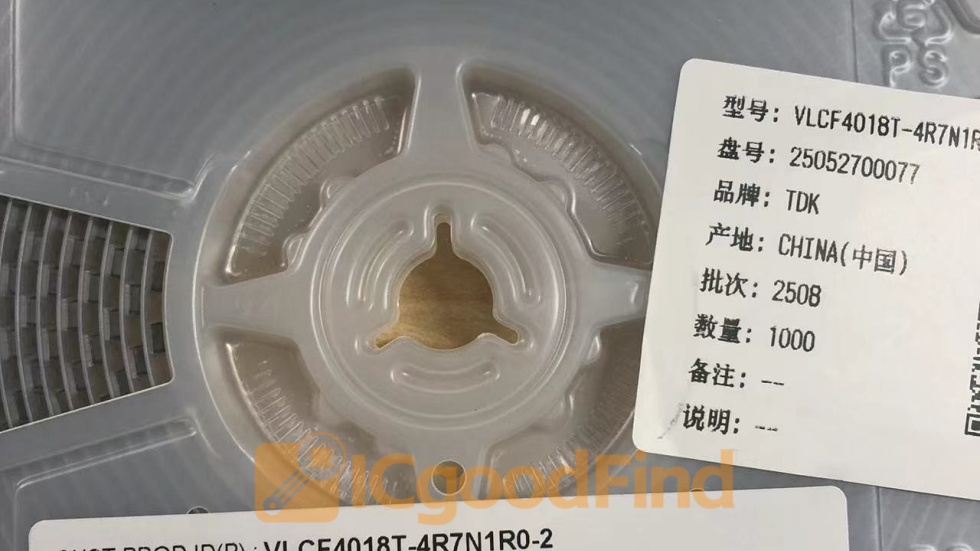
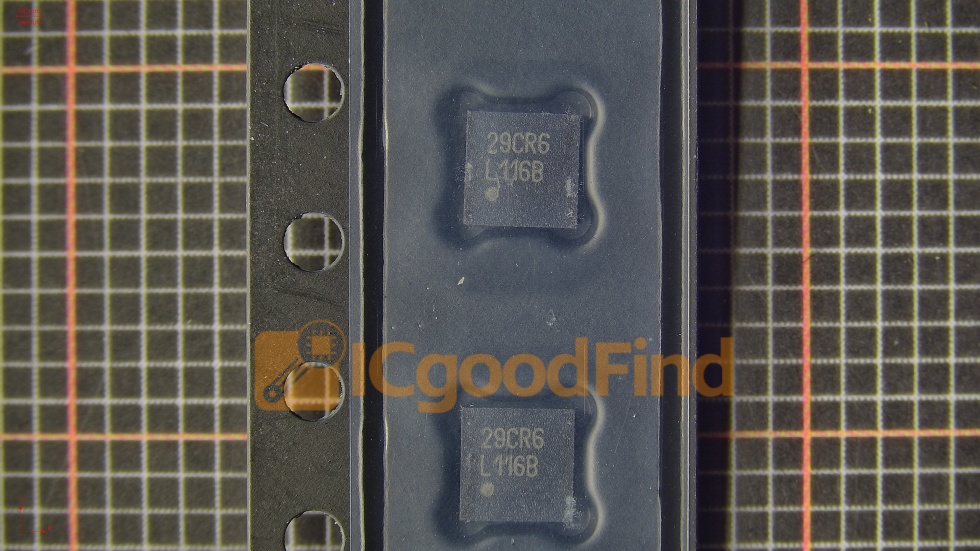
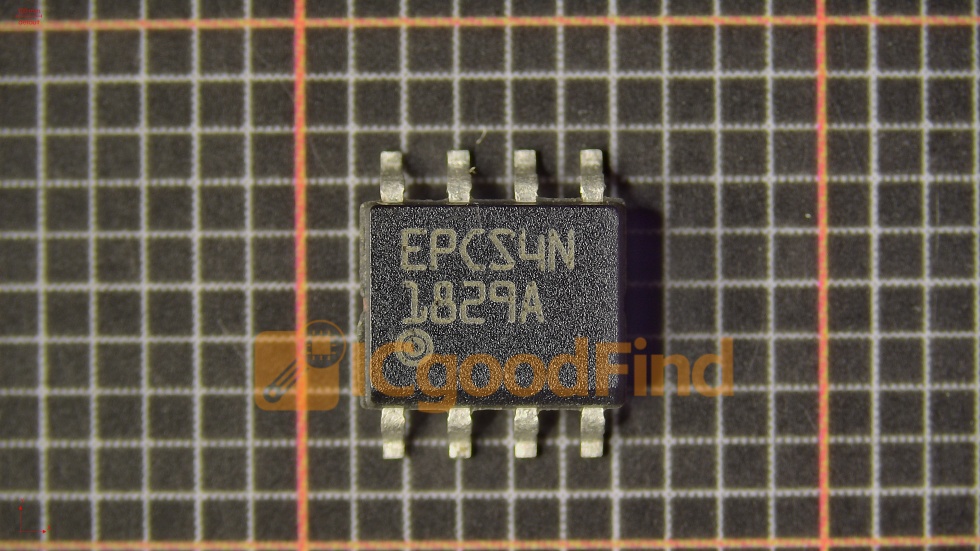
The Pitfalls of Generic Inventory Systems: Generic systems are designed for simplicity and often lack the granular data fields required for electronic components. They typically track items by name and quantity but fail to capture essential attributes like: * Part Number and Manufacturer: The primary identifiers for any component. * Specifications and Datasheets: Critical technical documents that define a component’s capabilities. * Lot Codes and Date Codes: Essential for traceability, especially in industries with high quality control standards. * RoHS/REACH Compliance Status: Mandatory for selling in many international markets. * Moisture Sensitivity Level (MSL): Vital for components that can be damaged by ambient humidity during storage or assembly.
Without these fields, your inventory records are incomplete, leading to costly errors. An employee might ship a non-compliant part, or a technician might use a component with the wrong voltage rating, resulting in product failure.
The High Cost of Inaccuracy: In the electronics sector, inventory inaccuracy has a direct and severe impact on the bottom line. * Stockouts: Halting a production line due to a missing $0.10 capacitor can cost thousands of dollars per hour in lost productivity. * Excess and Obsolete (E&O) Inventory: Electronic components can become obsolete quickly. Holding onto slow-moving or dead stock ties up significant capital that could be invested elsewhere. * Shrinkage and Theft: High-value items like processors or memory chips are attractive targets. Without precise tracking, losses can go unnoticed for long periods.
Specialized inventory software for electronic components is engineered from the ground up to address these very challenges. It provides the structural framework to manage the intricate details that define your components, turning raw data into actionable intelligence.
Part 2: Key Features to Look For in Your Inventory Software
When evaluating potential solutions, it’s crucial to look beyond basic stock counting. The best-in-class inventory software for electronic components will offer a suite of powerful features designed specifically for the industry’s demands.
1. Comprehensive Component Lifecycle Management: This is the core of any specialized system. It should act as a centralized repository for all component-related information. * Detailed SKU/Part Management: Go beyond simple names. The system should allow you to store manufacturer part numbers, internal part numbers, descriptions, categories, and custom attributes. * Batch and Serial Number Tracking: Track components by batch or individual serial number. This is indispensable for full traceability, allowing you to quickly identify all products containing a component from a specific batch in case of a recall or quality issue. * Integration with Supplier Data: The best systems can connect to supplier databases and marketplaces (like Octopart, Digi-Key, or Mouser) via APIs. This allows for real-time price and availability checks, ensuring you’re always sourcing components at the best possible cost and lead time.
2. Advanced Procurement and Sourcing Tools: Procurement in electronics is a strategic function. Your software should empower your purchasing team. * Automated Reordering: Set minimum stock levels (reorder points) for each component. The system can then automatically generate purchase orders or alert your team when it’s time to reorder, preventing stockouts. * Supplier Performance Management: Rate and review your suppliers based on criteria like on-time delivery, quality of components, and responsiveness. This data helps you make informed decisions about which suppliers to prioritize. * Quote Management: Manage RFQs (Request for Quotation) from multiple suppliers directly within the platform, comparing not just price but also lead times and terms.
3. Robust Warehouse and Fulfillment Operations: Efficiency in the warehouse directly translates to faster order fulfillment and reduced operational costs. * Barcode/RFID Integration: Barcode scanning is no longer a luxury; it’s a necessity for accuracy and speed. Employees should be able to receive, put away, pick, and ship items using handheld scanners, virtually eliminating manual data entry errors. * Bin Location Management: Know exactly where every component is stored. The software should support complex warehouse layouts with zones, aisles, racks, and bins, optimizing picking paths and reducing travel time. * Multi-Location Inventory: If you operate from multiple warehouses or stocking locations, the software must provide a unified view of all inventory across your network. This enables you to transfer stock between locations efficiently and fulfill orders from the optimal site.
Finding a platform that seamlessly integrates all these features can be daunting. This is where leveraging a curated platform like ICGOODFIND can be invaluable. Instead of sifting through hundreds of generic options, ICGOODFIND can help you pinpoint software solutions that are specifically vetted for the electronics component industry, saving you significant time and effort in your selection process.
Part 3: The Tangible Benefits and Implementation Strategy
Investing in the right software yields a significant return on investment (ROI) across every facet of your business. The benefits extend far beyond simply knowing what’s in stock.
Quantifiable Business Benefits: * Dramatically Improved Accuracy: By automating data capture (e.g., via barcode scanners) and eliminating manual spreadsheets, inventory accuracy rates can soar from often less than 80% to over 99%. This single improvement reduces costly errors and builds trust with customers. * Significant Cost Reduction: You achieve cost savings through multiple channels: reducing excess inventory, minimizing stockouts that halt production, decreasing labor costs associated with manual counting, and lowering losses from shrinkage and obsolescence. * Enhanced Operational Efficiency: Streamlined processes from procurement to shipping mean orders are fulfilled faster. Automated workflows free up your skilled staff to focus on value-added tasks rather than administrative work. * Informed Strategic Decision-Making: With all your inventory data centralized and accurate, you gain powerful insights. You can identify fast-moving vs. slow-moving items, analyze profitability by product line, and make data-driven forecasts for future demand.
A Phased Approach to Implementation: A successful software implementation is a project in itself. Rushing it leads to frustration and failure. 1. Assessment and Planning: Begin by thoroughly mapping your current processes and identifying pain points. Define your key requirements and set clear goals for what you want the new system to achieve. This is the stage where a resource like ICGOODFIND is most useful for creating a shortlist of qualified vendors. 2. Data Migration and System Setup: This is often the most critical phase. Cleanse your existing data—garbage in means garbage out. Work with your software provider to map your old data fields to the new system accurately. Configure the software to match your business rules, user roles, and warehouse layout. 3. Training and Go-Live: Invest heavily in training your team. Ensure everyone who will use the system—from warehouse staff to procurement managers—is comfortable with it. Consider a phased “go-live,” perhaps starting with one product line or warehouse location before rolling out company-wide. 4. Ongoing Optimization: The implementation doesn’t end at go-live. Continuously gather feedback from users, monitor key performance indicators (KPIs), and work with your vendor to tweak and optimize the system over time.
Conclusion
In the intricate and demanding world of electronic components, superior inventory management is a powerful competitive weapon. Relying on outdated methods like spreadsheets exposes your business to unacceptable risks of error, inefficiency, and financial loss. Investing in specialized inventory software for electronic components is no longer an optional IT upgrade but a fundamental requirement for survival and growth. The right solution provides unparalleled visibility, control, and automation across your entire supply chain, from the moment a component is ordered to the second it is shipped to a customer. By carefully selecting a feature-rich platform that aligns with your specific operational needs—a process that can be significantly streamlined by consulting an industry-specific resource like ICGOODFIND—you can transform your inventory from a costly liability into a strategic asset that drives profitability and customer satisfaction.