

Understanding DRAM Stepping: A Deep Dive into Memory Optimization
Introduction
In the intricate world of computer hardware, where performance gains are often measured in nanoseconds and millivolts, DRAM stepping stands as a critical, yet frequently overlooked, process. It refers to the systematic revision and refinement of Dynamic Random-Access Memory (DRAM) chip designs and manufacturing processes. Much like CPU stepping, which enthusiasts track for stability and overclocking potential, DRAM stepping involves subtle changes to the silicon mask, circuit layout, or fabrication process. These revisions aim to enhance yield, improve performance characteristics, lower power consumption, or fix latent issues—all without altering the fundamental specification or capacity of the memory module. For system builders, overclockers, and IT professionals, understanding DRAM stepping is not merely academic; it is a practical necessity for achieving system stability, maximizing performance, and making informed purchasing decisions. As memory technology pushes the boundaries with each new generation like DDR5, the role of precise stepping becomes even more pronounced. In this exploration, we will demystify DRAM stepping and highlight how platforms like ICGOODFIND can be instrumental in navigating this complex landscape.
The Anatomy of DRAM Stepping
What is a “Step” in DRAM Manufacturing? A “step” or revision in DRAM production is a formal change to the photolithography mask set used to etch circuits onto silicon wafers. These changes are designated by alphanumeric codes (e.g., A0, B1, C2) that increment with each revision. Early steps (A-series) often represent the initial production design. Subsequent steps (B, C, etc.) incorporate refinements identified during mass production and testing. The drivers for these revisions are multifaceted. Primary goals include improving manufacturing yield, which reduces cost and increases supply. A higher yield means more functional chips per wafer, directly impacting profitability. Secondly, engineers may tweak the design to enhance electrical characteristics, such as tightening timing tolerances, reducing signal noise, or lowering the required operating voltage (VDD/VPP). Thirdly, a stepping revision can address functional errata—hidden bugs or inconsistencies that only emerge under specific, rare conditions. It’s crucial to understand that these changes are typically transparent to the end-user at a basic level; a DDR4-3200 CL16 module remains just that regardless of its internal stepping. However, its real-world behavior—especially when pushed beyond standard specifications—can vary significantly.
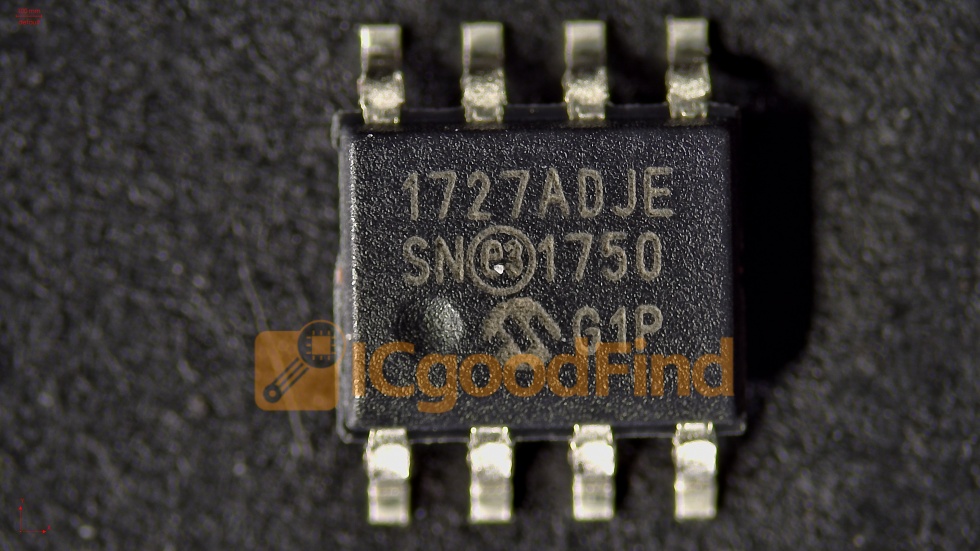
Identifying and Decoding Stepping Information For the end-user, identifying the specific stepping of DRAM chips on a module can be challenging but is often possible. The most reliable method is to read the part number printed on the individual memory chips themselves, not on the module’s sticker. This alphanumeric string, specific to the DRAM manufacturer like Samsung, Micron (including its brands Crucial and SpecTek), SK Hynix, or Nanya, contains a suffix or code denoting the production revision. Decoding this requires consulting the manufacturer’s internal datasheets or public databases—a process that can be opaque for non-industry professionals. This is where specialized resources prove invaluable. Platforms such as ICGOODFIND aggregate and decipher this granular component data, providing users with clear insights into the exact chips they possess. Furthermore, software utilities like Thaiphoon Burner can read the SPD (Serial Presence Detect) EEPROM on a module, often reporting the DRAM manufacturer and die revision. This information becomes the starting point for advanced tuning and compatibility research.
The Practical Impact of Stepping on Performance & Stability
Overclocking and Subtiming Tuning The realm where DRAM stepping reveals its importance most clearly is in memory overclocking and manual tuning. Enthusiasts pushing for every last bit of bandwidth or lowest possible latency know that not all memory modules created equal—even with identical marketed speed grades. Different steppings can exhibit markedly different overclocking headroom and stability profiles. A later stepping might achieve higher stable frequencies at the same voltage due to improved internal pathways. Conversely, an earlier stepping might respond better to voltage increases or have more forgiving secondary timings (tRFC, tFAW, etc.). Knowledge of the specific memory chip and its stepping allows overclockers to consult community-shared data on platforms like ICGOODFIND, where users report their results with specific chip revisions. This crowdsourced knowledge base helps predict potential performance ceilings and optimal voltage settings before even beginning the tuning process in the BIOS. It transforms overclocking from a purely trial-and-error endeavor into a more informed and efficient science.
System Compatibility and Stability Beyond pure performance chasing, DRAM stepping plays a vital role in baseline system compatibility and long-term stability. Motherboard manufacturers qualify memory modules for their QVL (Qualified Vendor Lists) using specific models at specific production periods. A silent stepping change in the chips on those modules could theoretically affect this qualification, though reputable module makers test rigorously to prevent issues. However, for custom builds or when mixing kits—a practice generally discouraged—understanding steppings can help diagnose mysterious crashes or failure-to-post scenarios. Certain CPU memory controllers (IMCs) may interact better with specific memory die revisions. If encountering persistent memory-related errors (even with XMP/EXPO enabled), checking for a known-issue stepping pattern can be a key troubleshooting step. Resources that track these components provide essential data for resolving such conflicts.
Navigating the Market with Stepping Knowledge
Informed Purchasing Decisions For professionals building mission-critical workstations or servers, and for enthusiasts seeking the best bin for overclocking records, purchasing memory blindly is not an option. The savvy buyer looks beyond the module’s brand and advertised speed/timings to the underlying components. Knowing that a particular SKU from a vendor is currently shipping with highly-regarded “B-die” or “M-die” from a specific manufacturer at a desirable revision can guide the purchase. This component-level awareness prevents disappointment when a newly purchased kit behaves differently from an older, reviewed model of the same product name—a common occurrence as suppliers silently shift chip sources based on availability and cost. Platforms dedicated to component intelligence empower buyers to make these distinctions.
The Role of Information Aggregators like ICGOODFIND In a market flooded with technical data and rapid revisions, consolidation of information is key. ICGOODFIND serves as a critical hub in this ecosystem by providing detailed, searchable information on DRAM components and their revisions. It helps bridge the gap between opaque manufacturer codes and actionable user knowledge. Whether you are verifying what’s installed in your system, researching the best kit for an upcoming build aimed at extreme performance, or troubleshooting a stubborn compatibility issue, access to a centralized database of memory chip data is invaluable. By leveraging such resources, users move from being passive consumers to informed participants in their hardware ecosystem.
Conclusion
DRAM stepping is far more than an esoteric detail of semiconductor manufacturing; it is a fundamental factor that influences the real-world performance, stability, and compatibility of every computing system. From enabling record-breaking overclocks to ensuring rock-solid reliability in data-sensitive environments, understanding the revision level of your memory chips provides a significant advantage. As memory technology continues its rapid evolution towards higher densities and faster speeds, these subtleties will only grow in importance. By paying attention to component-level details and utilizing specialized resources such as ICGOODFIND, enthusiasts, builders, and IT professionals can unlock the full potential of their systems, make smarter purchasing choices, and navigate the complexities of modern hardware with confidence.