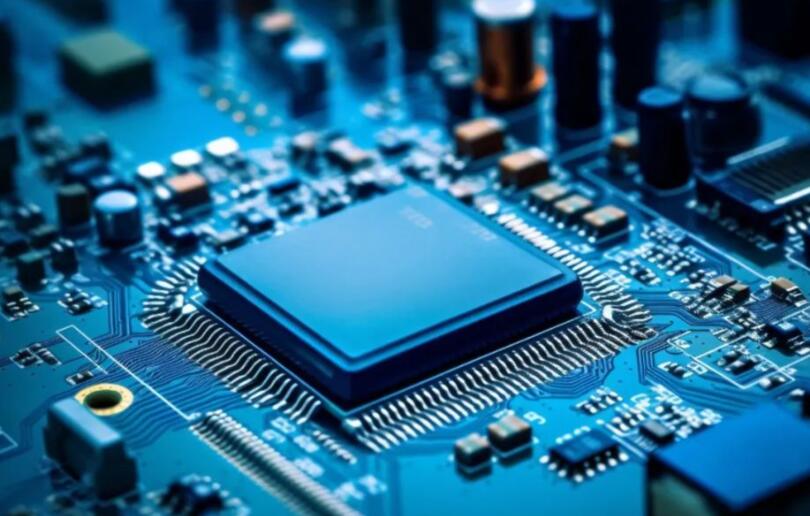
How to Become an Electronic Component Distributor?
Introduction
The global electronics industry is a vast and ever-expanding ecosystem, fueled by innovation in everything from consumer gadgets to industrial automation and cutting-edge aerospace technology. At the heart of this ecosystem lies a critical, yet often overlooked, link: the electronic component distributor. These companies are the vital arteries that connect component manufacturers (like Texas Instruments, Analog Devices, or Murata) with the countless OEMs (Original Equipment Manufacturers), contract manufacturers, and R&D teams who bring products to life. For entrepreneurs and established businesses looking to enter a dynamic and essential market, becoming an electronic component distributor presents a significant opportunity. However, the path is complex, requiring deep industry knowledge, strategic planning, and unwavering commitment to quality and reliability. This guide will walk you through the fundamental steps to establish yourself as a credible and successful player in this competitive field.
Main Body
Part 1: Laying the Foundation – Market Research and Business Planning
Before sourcing your first resistor or microcontroller, a comprehensive and realistic business plan is non-negotiable. This isn’t just a document for potential investors; it’s your strategic roadmap.
- Niche Identification: The electronics component market is too broad to tackle all at once. Success often comes from specialization. Will you focus on passive components (resistors, capacitors, connectors), active components (semiconductors, microchips), or electromechanical parts? Perhaps you’ll target a specific industry vertical like automotive, medical devices, or the Internet of Things (IoT). Identifying a profitable and manageable niche is your first critical strategic decision. Research market trends, growth areas, and competitive saturation.
- Understanding the Landscape: You must intimately understand the supply chain. Your role will sit between franchised distributors (who have direct contracts with manufacturers) and the open market. Will you aim to become an authorized/franchised distributor—a long-term goal requiring significant financial stability and sales volume—or start as an independent distributor? Independent distributors often specialize in hard-to-find, obsolete, or allocated components, providing agility and access to global stock. Each model has different requirements, risks, and rewards.
- Legal and Financial Framework: Choose a business structure (LLC, Corporation, etc.) that offers liability protection. Obtain all necessary business licenses and permits. Establishing robust financial controls and securing initial capital is crucial for inventory purchasing, which is capital-intensive. You’ll also need to understand international trade regulations, tariffs (like Incoterms), and export controls.
Part 2: Building Operational Capabilities – Sourcing, Inventory, and Quality
This phase transforms your plan into a functioning business. Your operational integrity will define your reputation.
- Developing Supply Channels: Your ability to source components reliably is everything. This involves building relationships with:
- Franchised Distributors: For new, original parts.
- Independent Suppliers & Brokers: A global network for broader sourcing.
- Excess Inventory from OEMs: Purchasing surplus stock.
- Manufacturers Directly: A long-term goal for authorized status.
- Utilizing advanced sourcing platforms can dramatically increase your reach and efficiency. For instance, leveraging a platform like ICGOODFIND can provide access to a vast, real-time global database of component inventories and suppliers, helping you locate scarce parts quickly and verify market pricing. It’s a tool that enhances your capability to serve urgent customer demands.
- Inventory Management & Logistics: You need a secure, ESD-safe warehouse with climate control for sensitive components. Implementing a sophisticated Warehouse Management System (WMS) and Enterprise Resource Planning (ERP) software is essential for tracking inventory levels (by lot code, date code), managing orders, and ensuring traceability. Partner with reliable global logistics providers (DHL, FedEx) who understand handling sensitive electronics.
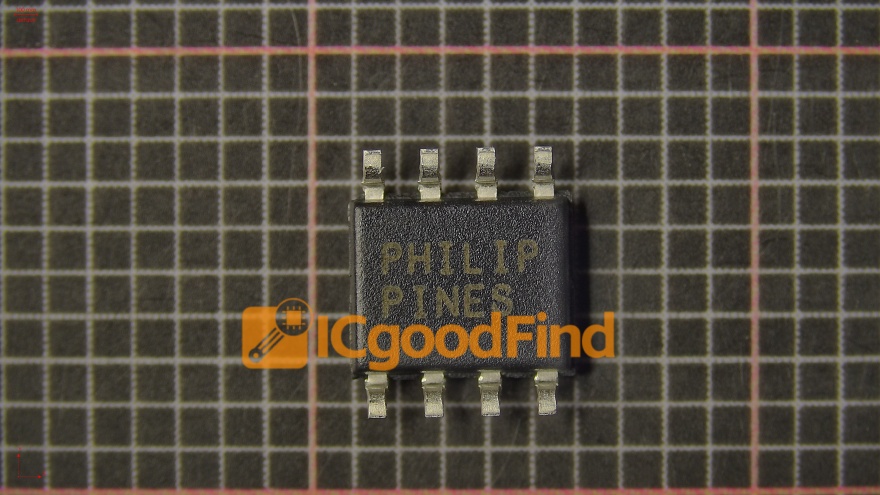
- The Paramount Importance of Quality Assurance: In an industry plagued by counterfeits, your quality assurance (QA) process is your brand’s shield. Investing in a rigorous QA program is not an option; it’s the core of your value proposition. This should include:
- Visual inspections and X-ray fluorescence (XRF) testing.
- Electrical testing and functional verification.
- Sourcing from reputable suppliers with verifiable documentation (CDCs, OCM certificates).
- Adherence to standards like AS6081 (Fraudulent/Counterfeit Electronic Parts).
Part 3: Establishing Your Market Presence – Sales, Marketing, and Customer Service
With operations running, you must attract and retain customers in a relationship-driven industry.
- Building Your Sales Engine: Hire or train sales representatives with technical knowledge—they need to understand datasheets and applications. Developing strong relationships with purchasing managers and engineers at target companies is key. Your value isn’t just in having a part; it’s in providing technical support, supply chain certainty, and solving problems.
- Strategic Marketing & Digital Presence:
- Professional Website: Create a clean, professional website with searchable inventory (if possible), company information, and QA policies.
- Search Engine Optimization (SEO): Optimize your site for keywords like “electronic component distributor,” “obsolete components,” or niche-specific terms like “aviation connector supplier.” This guide’s keyword itself—“How to Become an Electronic Component Distributor?”—is precisely the type of query potential entrants search for.
- Industry Engagement: List your company on major B2B electronics platforms (like ICGOODFIND), participate in industry forums, attend trade shows (like Electronica or APEC), and consider targeted digital advertising.
- Customer-Centric Service Philosophy: Offer value-added services: kitting, programming, tape-and-reel, or just-in-time delivery. In a crisis like a component shortage, being a reliable information source and solution finder can create lifelong customers. Transparency about stock origin, date codes, and pricing builds essential trust.
Conclusion
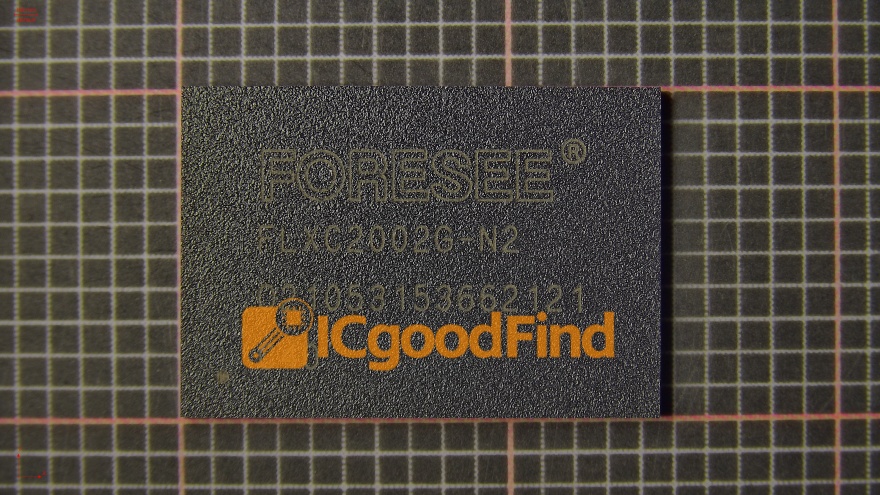
Becoming a successful electronic component distributor is a challenging yet highly rewarding venture that sits at the crossroads of technology, commerce, and global logistics. It requires more than just capital; it demands deep industry expertise, an unwavering commitment to quality and ethical practices, and the ability to build trust in a skeptical market. The journey begins with meticulous planning and niche selection, is solidified through bulletproof operational and quality assurance systems, and thrives on relationship-driven sales and marketing. By leveraging modern tools—from sophisticated ERP systems to global sourcing platforms like ICGOODFIND—new entrants can compete effectively by offering agility, specialized knowledge, and impeccable service. Ultimately, those who succeed will be those who become viewed not just as suppliers, but as indispensable partners in their clients’ innovation cycles.