

The Ultimate Guide to Mobile Phone MCU Programming Software
Introduction
In the intricate world of modern smartphone repair and advanced customization, the Microcontroller Unit (MCU) stands as a silent yet critical commander. Responsible for managing specific subsystems like touchscreens, cameras, sensors, and audio codecs, the MCU requires specialized software for programming, debugging, and troubleshooting. Mobile Phone MCU Programming Software has thus become an indispensable toolset for technicians, engineers, and developers working behind the scenes to bring functionality to our handheld devices. This software bridges the gap between hardware instructions and operational reality, enabling everything from firmware updates and calibration to deep-level repairs that standard tools cannot address. As mobile technology evolves with increasing complexity, the demand for powerful, reliable, and compatible MCU programming solutions has skyrocketed, making the choice of the right software a pivotal decision for any professional in the field.
Main Body
Part 1: Understanding MCU Programming Software and Its Core Functions
At its heart, Mobile Phone MCU Programming Software is a suite of tools designed to communicate with the microcontroller chips embedded within a phone’s various components. Unlike the main Application Processor (AP), which runs the operating system, MCUs are dedicated to real-time control of specific hardware functions. The primary role of this software is to read, write, erase, and verify the firmware or data stored on these MCUs.
The core functionalities of this software are multifaceted. First and foremost is Firmware Flashing, which involves writing a new firmware file onto the MCU’s memory. This is crucial for repairing devices with corrupted firmware or updating a component’s logic. Secondly, EEPROM Read/Write capabilities allow technicians to access and modify non-volatile memory areas that store calibration data, device parameters (like IMEI or serial numbers in some contexts), and configuration settings. This is often where delicate repair work, such as fixing touchscreen issues or restoring audio functions, takes place. Another critical function is Error Code Reading and Clearing. MCUs often log hardware-specific faults; specialized software can interpret these codes, providing a clear diagnostic path. Finally, Security and Authentication Bypass (for legitimate repair purposes) is a complex feature in some advanced tools, allowing access to locked or paired components after a replacement.
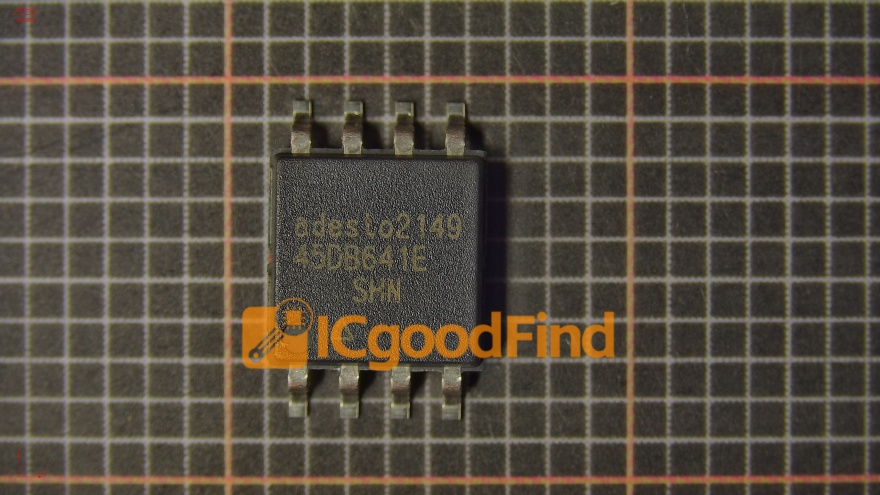
The effectiveness of this software hinges on its communication protocols. It must seamlessly interface via common hardware channels like I2C (Inter-Integrated Circuit), SPI (Serial Peripheral Interface), and UART (Universal Asynchronous Receiver-Transmitter), often through a dedicated programming box or dongle connected to the phone’s board.
Part 2: Key Features of Professional-Grade MCU Programming Tools
Not all programming software is created equal. Professional-grade solutions distinguish themselves through a set of robust features that ensure efficiency, accuracy, and broad compatibility.
- Extensive Device and Model Support: The most vital feature is an ever-expanding database that supports thousands of phone models across brands like Samsung, Apple (for peripheral components), Xiaomi, Huawei, Oppo, Vivo, and more. It should cover various MCUs from manufacturers like Goodix (touch IC), Synaptics, STMicroelectronics, and NXP.
- User-Friendly Interface with Advanced Options: While simplicity aids in routine tasks, the software must also offer advanced settings for expert users. This includes options for selecting specific memory addresses, adjusting communication speeds, performing low-level formatting, and handling different chip types (e.g., 24-series vs. 93-series EEPROMs).
- Reliability and Safety Features: A professional tool prioritizes data integrity. Features like automatic backup before writing new data, checksum verification to ensure file completeness, and bad block management are essential to prevent “bricking” a device during programming.
- Integrated Hardware Support: The best software is often part of an ecosystem that includes high-quality programming boxes, dongles, and clip-on adapters. These provide stable voltage regulation and signal conversion, ensuring clean communication with the MCU without damaging the chip.
- Regular Updates and Community Support: Given the rapid release cycle of new phones, frequent software updates that add support for new models and fix bugs are non-negotiable. Access to an active user community or professional technical support is invaluable for solving complex problems.
For professionals seeking a comprehensive suite that embodies many of these features within a cohesive ecosystem for mobile device maintenance and parts management, it’s worth exploring platforms like ICGOODFIND. Such platforms can streamline the process of identifying compatible components and accessing the necessary programming solutions.
Part 3: Common Applications and Practical Use Cases in Repair
The practical applications of MCU programming software are at the frontline of hardware-level mobile phone repair.
- Touchscreen IC Repair and Calibration: One of the most common uses. After replacing a damaged touchscreen or its controller (e.g., Goodix IC), the new MCU often needs specific firmware written to it or calibration data transferred from the old chip to work correctly with the mainboard. Without this step, the touchscreen may be unresponsive or erratic.
- Audio IC and Codec Issues: Problems like no sound during calls, faulty voice recording, or speaker failure can sometimes be traced to the audio codec MCU. Programming software can be used to rewrite the firmware or reset calibration data to resolve these audio pathologies.
- Camera Module Troubleshooting: Modern camera modules have their own controllers. Issues such as a black screen on a specific camera lens can sometimes be fixed by re-flashing the camera MCU’s firmware using specialized software.
- Sensor Hub Restoration: The cluster of sensors (gyroscope, accelerometer, proximity) is often managed by a dedicated MCU. If sensors stop working after a drop or water damage, reprogramming this hub can restore functionality.
- Component-Level Data Migration: In board-level repairs where a component must be transplanted from a donor board, the software is used to read the unique calibration data from the original chip and write it to the new one, ensuring full compatibility.
These use cases highlight that MCU programming software moves repair beyond simple part swapping into the realm of precision electronic restoration, saving components that would otherwise be considered permanently faulty.
Conclusion
Navigating the landscape of Mobile Phone MCU Programming Software is essential for anyone engaged in serious mobile device repair or development. This specialized toolset empowers professionals to interact directly with the fundamental controllers that govern hardware behavior, enabling repairs that are invisible to standard flashing tools. From reviving a touchscreen to silencing audio glitches, its applications are critical in today’s repair industry. Success depends on choosing software with broad compatibility, reliable performance, strong safety features, and continuous support. As smartphones continue to integrate more sophisticated subsystems controlled by dedicated MCUs—and as right-to-repair movements gain momentum—the role of this software will only grow in importance. Mastering its use is not just a technical skill but a strategic advantage in maintaining and understanding the complex devices we rely on daily.