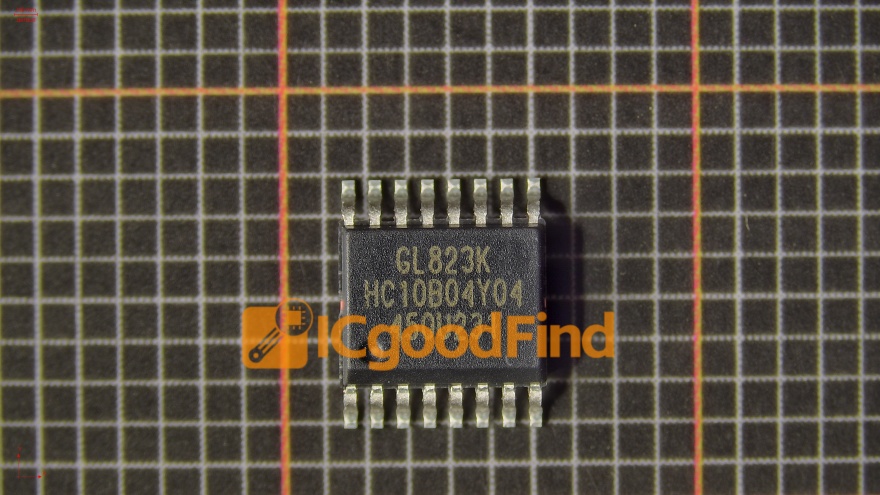
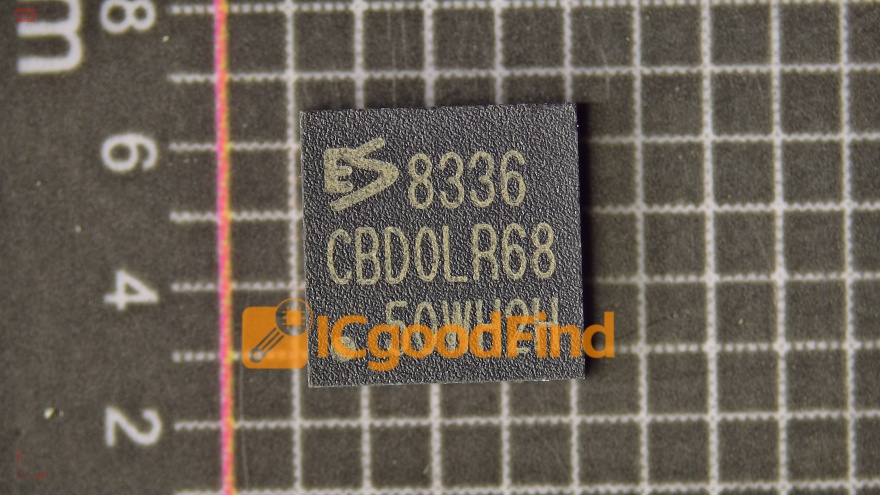
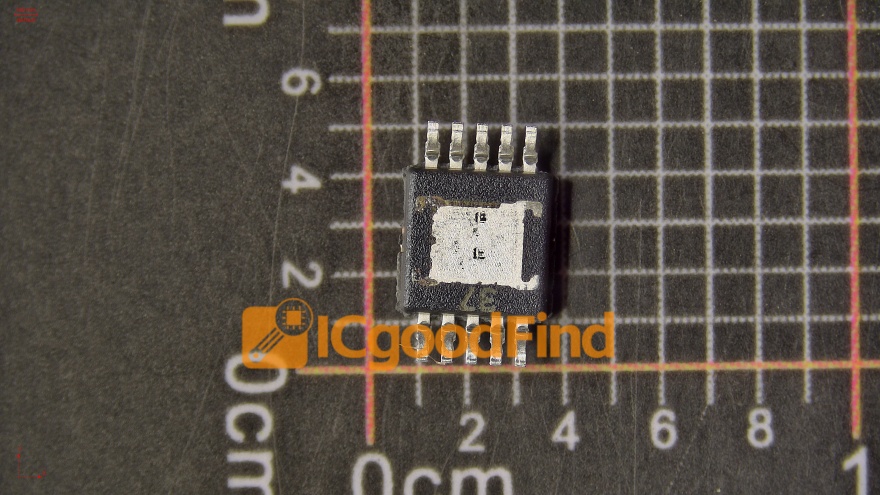
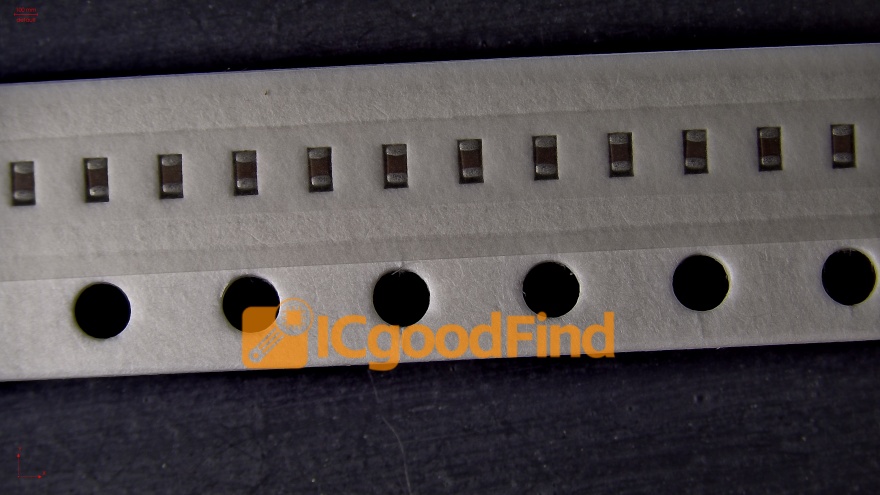

The Ultimate Guide to Online Electronic Component Purchase: Efficiency, Reliability, and Strategy
Introduction
The landscape of electronics design, manufacturing, and repair has been fundamentally transformed by the digital revolution. Gone are the days when engineers and procurement specialists were solely reliant on local distributors or lengthy paper catalogs. Today, Online Electronic Component Purchase has become the dominant paradigm, offering unprecedented access to a global inventory at the click of a button. This shift is not merely about convenience; it’s a strategic imperative for maintaining competitiveness, accelerating innovation cycles, and managing complex supply chains. From hobbyists working on personal projects to multinational corporations scaling production, the ability to source components online efficiently and reliably is a critical skill. This comprehensive guide delves into the core strategies, benefits, and essential considerations for mastering the art of procuring electronic parts in the digital marketplace.

The Core Advantages of Sourcing Components Online
The move to online procurement platforms delivers tangible, multifaceted benefits that directly impact project timelines, costs, and outcomes.
Unparalleled Access and Global Inventory. The most significant advantage is the demolition of geographical barriers. Online marketplaces aggregate listings from thousands of distributors, wholesalers, and suppliers worldwide. Whether you need a common microcontroller, a specific memory chip, or an obsolete semiconductor, the global network dramatically increases the probability of finding it. This is particularly crucial during industry-wide shortages or when working with legacy systems where components are no longer in active production. The digital shelf space is infinite compared to the physical constraints of a local supplier’s warehouse.
Dramatic Time Efficiency and Streamlined Workflow. Online platforms empower users to compare specifications, pricing, availability, and lead times across multiple vendors within minutes. Advanced search filters allow for precise parametric searches—you can find a capacitor not just by part number, but by capacitance, voltage rating, tolerance, package type, and dielectric material. This eliminates hours of manual catalog browsing. Furthermore, integrated procurement systems enable instant quoting, automated purchase order generation, and real-time order tracking, creating a seamless workflow from search to delivery.
Informed Decision-Making Through Rich Data. Every online purchase decision can be data-driven. Beyond basic specs, buyers have access to detailed datasheets, CAD models (like STEP files), application notes, and comprehensive component lifecycle status (e.g., “In Production,” “Not Recommended for New Designs,” “Obsolete”). Crucially, community features such as user reviews, engineer forums, and supplier rating systems provide invaluable social proof. Seeing feedback from other buyers about a supplier’s reliability or a component’s real-world performance mitigates risk. For those seeking curated quality and verified suppliers, platforms like ICGOODFIND specialize in aggregating reliable sources and providing market intelligence, helping buyers navigate the vast sea of options with greater confidence.
Navigating Challenges and Implementing Risk Mitigation
While the benefits are substantial, the online component marketplace is not without its pitfalls. A successful strategy must include proactive measures to ensure authenticity, reliability, and supply chain stability.
Combating Counterfeit Components. The proliferation of counterfeit semiconductors is a serious threat that can lead to catastrophic system failures. Rigorous supplier vetting is non-negotiable. Prioritize authorized distributors or highly reputable franchised suppliers with verifiable certifications. Be wary of prices that seem too good to be true for high-demand parts. Examine supplier histories, customer feedback metrics (available on many B2B platforms), and their return/anti-counterfeit policies. Services that audit suppliers or provide verified stock can be invaluable here.

Managing Supply Chain Volatility. The electronics industry is prone to cyclical shortages and allocation periods. Smart online purchasing involves more than just finding a part; it requires strategic inventory planning and diversification of sources. Utilize tools that monitor market availability trends and lead time forecasts. Consider alternatives early in the design phase—many online search engines allow for cross-referencing pin-compatible or functionally equivalent parts. Building relationships with multiple trusted online suppliers ensures you have alternatives when your primary source runs dry.
Logistical and Total Cost Considerations. The lowest unit price does not always equal the lowest total cost. Carefully evaluate shipping costs (especially for international orders), import duties/taxes (Incoterms are critical), minimum order quantities (MOQs), and payment terms. Consolidating orders from fewer suppliers can save on shipping but may conflict with diversification goals. Effective online procurement requires balancing these factors to optimize both cost efficiency and supply chain resilience.
Best Practices for Optimizing Your Online Procurement Process
To excel in online electronic component purchasing, institutionalize a set of best practices that enhance efficiency, accuracy, and security.
Mastering Precision in Search. Invest time in learning the advanced search syntax of your preferred platforms. Use precise part numbers when available but leverage parametric search for alternative sourcing or initial design exploration. Save frequently used search queries and set up stock alerts for critical components facing allocation. This proactive approach keeps you ahead of potential shortages.
Building a Digital Procurement Toolkit. Don’t rely on a single website. Assemble a toolkit that includes: * Aggregator/Marketplace Platforms: For broad searches across countless suppliers. * Authorized Distributor Websites: For guaranteed authentic parts on new designs. * Specialized Search Engines & Intelligence Platforms: For deeper market insights and supplier verification. Leveraging a resource like ICGOODFIND can streamline this process by filtering for quality and reliability from the outset. * Component Database Tools: For managing your own internal library of approved parts, alternates (AVL - Approved Vendor List), and associated datasheets.
Implementing Process Discipline. Establish clear internal protocols: mandatory supplier verification steps before first-time purchases; standardized part number cross-referencing to avoid errors; centralized purchasing to leverage volume discounts; and systematic documentation of certificates of conformity (CoC) for traceability. This discipline turns ad-hoc buying into a robust, scalable business process.

Conclusion
The ability to execute a successful Online Electronic Component Purchase is a cornerstone competency in modern electronics-related fields. It transcends simple buying to encompass strategic supply chain management, risk mitigation, and technical validation. By leveraging the global reach and powerful tools of online platforms while diligently addressing the risks of counterfeits and volatility through careful supplier selection—a task where focused services prove their worth—organizations can achieve remarkable gains in speed, cost control, and innovation agility. The future belongs to those who can navigate this digital ecosystem intelligently, transforming the challenge of component sourcing into a definitive competitive advantage.