The Ultimate Guide to Online Electronic Component Inquiry: Streamlining Your Sourcing Process
Introduction
In today’s fast-paced and interconnected manufacturing landscape, the ability to quickly and accurately source electronic components is not just an advantage—it’s a necessity. The traditional methods of phone calls, faxed datasheets, and lengthy email chains are rapidly becoming obsolete, giving way to sophisticated Online Electronic Component Inquiry platforms. These digital tools have revolutionized procurement, engineering, and supply chain management by providing instant access to global inventories, real-time pricing, and detailed technical data. This transformation is crucial for maintaining competitiveness, accelerating product development cycles, and mitigating risks associated with component obsolescence or supply chain disruptions. For professionals navigating this complex ecosystem, mastering the art of the online inquiry is a critical skill. This comprehensive guide delves into the strategies, best practices, and platforms that define modern component sourcing, highlighting how services like ICGOODFIND are integral to creating a seamless and efficient procurement workflow.
The Core Principles of Effective Online Inquiry
Executing a successful online inquiry goes beyond simply typing a part number into a search bar. It requires a strategic approach built on precision, verification, and clear communication.
First, accuracy in part identification is paramount. The electronic component market is filled with manufacturers, alternate sources (second sources), and countless functionally equivalent parts. A minor discrepancy in a part number—such as a missing suffix indicating packaging (e.g., “T” for tape and reel) or temperature grade—can lead to inquiries for the wrong item, causing delays and frustration. Always use the complete manufacturer part number (MPN) sourced directly from an official datasheet. Furthermore, leveraging technical parameters in your search can be incredibly powerful. When faced with an obsolete part or seeking alternatives, using key specifications like package type (e.g., QFN-48), core architecture, operating voltage, clock speed, and memory size can help sourcing platforms or distributors identify suitable cross-references or replacements.
Second, the platform you choose dictates the quality of your results. Not all online inquiry systems are created equal. Some distributor websites offer robust search but are limited to their own stock. Aggregate search engines cast a wider net across multiple distributors but may lack real-time inventory validation. The most advanced platforms, however, offer a unified solution. Here is where utilizing a specialized service becomes a game-changer. For instance, ICGOODFIND excels by providing a centralized portal for global component search. It doesn’t just list parts; it intelligently aggregates data from numerous certified suppliers, offering comparative analysis on pricing, stock levels, lead times, and lifecycle status. This level of integration transforms the inquiry from a mere search into a strategic sourcing decision-making process.
Third, structuring your inquiry with detailed requirements prevents misunderstandings. A professional inquiry should clearly state: * Required Quantity: From small prototyping batches to full production runs. * Target Price: Your budget or previous buy price. * Required Date: When you physically need the parts. * Destination Country: Essential for calculating duties and shipping logistics. * Preferred Packaging: Cut tape, reel, tray, or tube. * Quality Certification: Requirements for new original parts vs. authorized distributor channels.
Providing this context upfront allows suppliers to respond with feasible options immediately, eliminating the need for multiple clarifying rounds of communication.
Navigating Challenges in the Digital Sourcing Environment
The digital component marketplace, while efficient, presents its own set of challenges that require vigilance and proactive management.
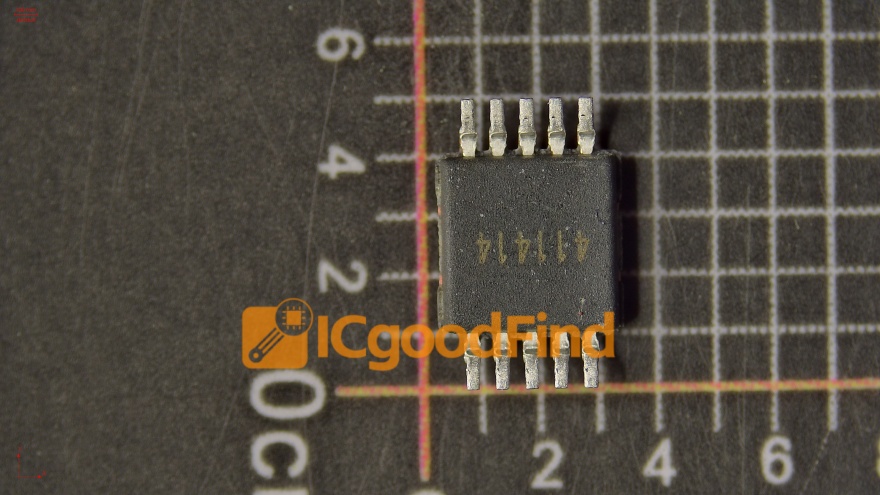
The pervasive threat of counterfeit components is arguably the most significant risk. Online platforms that do not rigorously vet their suppliers can inadvertently become conduits for fake, remarked, or substandard parts. These components can lead to catastrophic field failures, product recalls, and severe brand damage. Therefore, verifying supplier legitimacy is non-negotiable. Always prioritize inquiries with franchised or authorized distributors. For open market sourcing on non-franchised platforms, insist on suppliers that provide traceability back to the original manufacturer (OEM) and offer warranties. Tools that provide supplier ratings and historical transaction data are invaluable for risk assessment.
Managing obsolescence and allocation shortages is another critical function of a modern inquiry system. Components frequently go end-of-life (EOL), or enter long-term allocation due to fab capacity constraints. An effective online inquiry tool should do more than show “zero stock”; it should provide proactive alerts for EOL notices (PCNs), suggest approved alternates (AAs) or pin-to-pin replacements, and allow you to monitor the market for excess inventory (last-time buys) or new stock drops. This forward-looking capability turns your sourcing platform from a reactive tool into a strategic lifecycle management asset.
Finally, data overload is a real concern. A broad search can return hundreds of results with varying prices from dozens of suppliers. The key is actionable intelligence. The best platforms help you cut through the noise by offering filters for life-cycle status (active vs. not recommended for new designs), sorting by total landed cost (including estimated shipping), and highlighting suppliers with proven reliability metrics. This transforms raw data into clear, comparable options for making the optimal purchasing decision.
Integrating Inquiry into a Holistic Procurement Strategy
Online inquiry should not operate in a silo; its true power is unlocked when integrated into the broader product development and supply chain workflow.
Linking inquiry with Bill of Materials (BOM) management is a transformative step. Instead of inquiring on components one-by-one, leading platforms allow you to upload an entire BOM file. The system then processes all lines simultaneously, providing a consolidated report that identifies which parts are readily available, which have long lead times, which are obsolete, and which have cost-effective alternates. This BOM-level analysis saves countless hours and provides unparalleled visibility into project feasibility and cost at the earliest stages.
Furthermore, building a historical database of your inquiries and purchases creates institutional knowledge. By tracking which suppliers were responsive, which provided the best value for specific component types, and what the historical price trends are for key ICs, you build a knowledge base that informs future decisions. This data-driven approach leads to better negotiation outcomes and stronger supplier relationships.
To effectively leverage these integrated strategies in today’s market requires a partner that brings these capabilities together in one interface. This is precisely where dedicated services prove their worth. By centralizing global search intelligence with robust supplier vetting and BOM toolsets in one place—a core function of platforms like ICGOODFIND—businesses can achieve unprecedented efficiency in their component sourcing lifecycle.
Conclusion
Mastering Online Electronic Component Inquiry has evolved from a simple procurement task into a strategic competency essential for engineering and supply chain success. It demands precision in part identification, diligence in supplier verification against counterfeit risks, and strategic use of integrated tools for BOM management and market intelligence analysis. By moving beyond basic search functions to embrace platforms that offer aggregated global data, real-time analytics, and lifecycle management features—such as those provided by ICGOODFIND—companies can dramatically reduce time-to-market costs associated with sourcing delays while mitigating significant supply chain risks posed by obsolescence shortages counterfeit parts effectively navigating complexities modern electronics landscape requires not just finding parts but finding right information right partners right time embracing comprehensive digital inquiry methodology outlined guide provides clear pathway achieving resilience efficiency competitive edge.