

In a significant development for the semiconductor industry, AMD CEO Dr. Lisa Su confirmed the company has received a license from the U.S. government to export its MI308 series AI chips to the Chinese market. A pivotal condition of this approval is that AMD must pay a fee equivalent to 15% of the sales revenue from these chips to the U.S. Treasury.
This move follows a U.S. government announcement in August outlining a new arrangement. Under this framework, companies like NVIDIA and AMD can resume exports of certain restricted high-performance AI chips to China, provided they pay a designated fee from the sales proceeds. While facilitating some commerce, this model has sparked debate among legal experts regarding its constitutionality, as it potentially contravenes clauses that prohibit taxes on exports.
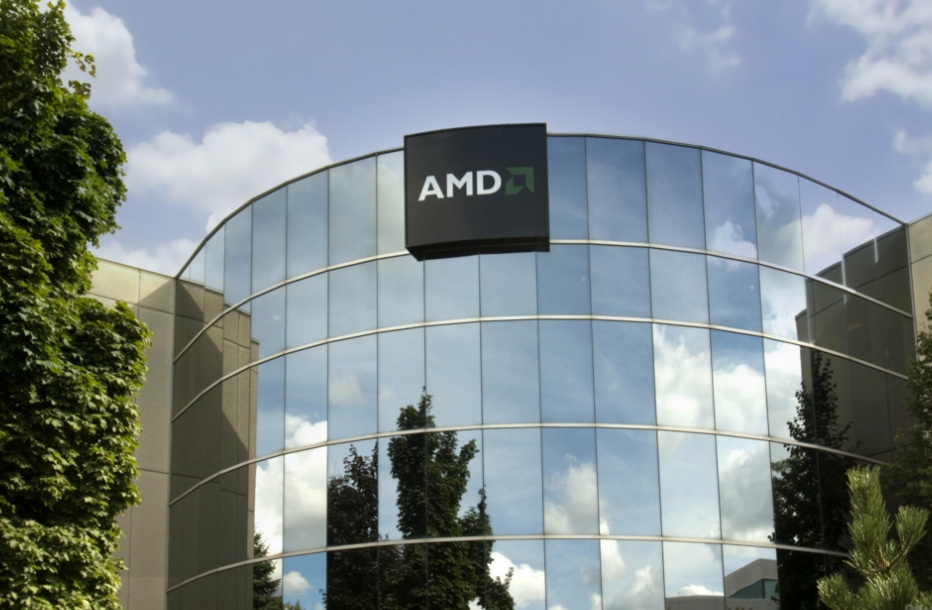
For AMD, this license is a crucial positive step. The company had previously estimated that the export restrictions on its MI308 chips could result in approximately $800 million in lost sales. Regaining access to the significant Chinese data center and AI market helps mitigate this financial headwind. When questioned about potential an AI industry bubble, Dr. Su expressed strong confidence, stating the demand for computing power is real and sustained, dismissing such concerns as "overblown."
ICgoodFind:The resumption of controlled AI chip exports to China introduces a new, albeit costly, dynamic to the global semiconductor trade. It alleviates some supply pressures but also underscores the ongoing geopolitical complexities shaping the tech landscape.