




The Ultimate Guide to 8051 MCU Burning Software: Tools, Techniques, and Best Practices
Introduction
The 8051 microcontroller, originally developed by Intel in 1980, remains one of the most popular and enduring microcontroller architectures in the embedded systems industry. Despite its age, the 8051 continues to power countless applications across industrial automation, consumer electronics, automotive systems, and IoT devices. At the heart of working with these versatile chips lies a critical process: programming or “burning” the microcontroller with executable code. This comprehensive guide explores the world of 8051 MCU burning software, examining the tools, methodologies, and best practices that ensure successful programming outcomes. Whether you’re an embedded systems engineer, a student learning microcontroller programming, or a hobbyist working on personal projects, understanding the nuances of 8051 programming software is essential for bringing your designs to life. The programming process transforms your carefully written code into functioning hardware, making the selection and use of appropriate burning software a decisive factor in project success.
Understanding 8051 MCU Programming Fundamentals
What is MCU Burning Software?
MCU burning software, often referred to as programmer software or firmware programming tools, serves as the crucial bridge between your developed code and the physical microcontroller. This specialized software communicates with hardware programming devices to transfer compiled machine code (typically in HEX or BIN formats) into the 8051 microcontroller’s non-volatile memory. The term “burning” originates from earlier eras of microcontroller programming when UV-EPROM memories required actual exposure to ultraviolet light for erasure, and programming felt like permanently “burning” bits into the silicon. Modern 8051 variants predominantly use flash memory technology, which allows for significantly easier and faster reprogramming, but the terminology has persisted throughout the industry.
The burning process involves several critical stages handled by the software: establishing communication with the programmer hardware, verifying device connectivity, erasing existing memory contents (if necessary), transferring new program data, verifying the written contents against the original file, and often configuring security bits or fuse settings that protect intellectual property or determine fundamental operational parameters. High-quality 8051 programming tools automate these processes while providing detailed feedback at each stage, enabling developers to identify and resolve issues quickly. The sophistication of these tools varies dramatically from basic free utilities supporting a handful of 8051 derivatives to comprehensive commercial packages capable of programming hundreds of different microcontroller variants with advanced features like batch programming, serialization, and production logging.
Programming Methods for 8051 Microcontrollers
The 8051 architecture supports several distinct programming methodologies, each with particular advantages and limitations. In-System Programming (ISP) has emerged as the most popular approach for modern 8051 development and production, allowing microcontrollers to be programmed after they’ve been soldered onto the target printed circuit board. This capability dramatically simplifies the manufacturing process, enables field firmware updates, and facilitates rapid prototyping iterations without requiring physical removal of components. ISP typically utilizes the 8051’s built-in serial peripheral interface (UART) or other communication protocols like SPI to transfer data using a minimal number of connection pins.
Parallel programming represents an alternative method historically used for high-volume production environments, where dedicated programming sockets enable extremely rapid data transfer to multiple devices simultaneously. While this approach offers unmatched speed for mass production scenarios, it requires specialized (and often expensive) hardware and cannot be used for field updates. Another significant methodology involves bootloader-assisted programming, where a small resident program facilitates receiving and storing new firmware through various communication channels like UART, USB, or Ethernet. This approach eliminates the need for external programming hardware altogether but consumes a portion of the microcontroller’s precious memory resources. The selection of appropriate programming methodology directly influences which burning software solutions will be compatible with your specific development or production workflow.
Key Features of High-Quality Burning Software
When evaluating 8051 MCU burning software, several essential features distinguish basic utilities from professional-grade solutions. Device support breadth stands as a primary consideration—comprehensive tools should support not only numerous 8051 derivatives from multiple manufacturers (including NXP, Silicon Labs, Infineon, and others) but also accommodate new device variants as they reach the market. Equally important is programming speed, particularly for production environments where throughput directly impacts manufacturing costs and scalability. Modern solutions often employ advanced algorithms and optimized communication protocols to minimize programming cycle times without compromising reliability.
Verification capabilities represent another critical aspect, with robust software performing both automatic checksum validation and optional byte-by-byte verification to ensure programming integrity. Error handling and reporting sophistication separates professional tools from basic alternatives, providing detailed diagnostic information when issues occur rather than generic failure messages. This capability dramatically reduces debugging time when problems emerge during programming operations. Additional valuable features include batch scripting for automated production workflows, security management for protecting intellectual property through encryption or lock bits, and intuitive user interfaces that minimize training requirements while maximizing productivity. For engineers seeking comprehensive solutions across multiple projects, platforms like ICGOODFIND offer curated selections of reliable programming tools matched to specific technical requirements and budget constraints.
Popular 8051 MCU Burning Software Solutions
Commercial Programming Software
The commercial landscape for 8051 MCU programmer software includes several established solutions offering robust feature sets and professional support channels. Flash Magic stands as one of the most widely recognized tools specifically designed for NXP (formerly Philips) 8051 family microcontrollers, providing a user-friendly interface coupled with reliable ISP capabilities through standard serial or USB connections. Its intuitive wizard-based approach guides users through the programming process while offering advanced options for experienced developers, making it equally suitable for educational and professional environments alike. Another significant commercial player is Silicon Labs’ Flash Programming Utility, which supports their extensive range of 8051-derived microcontrollers with sophisticated features like energy-aware debugging and integrated USB functionality.
PonyProg, though available as freeware in some configurations, offers commercial versions with enhanced device support and technical assistance, distinguishing itself through compatibility with an exceptionally wide range of programmer hardware designs. For production environments requiring high throughput and automation capabilities, BP Microsystems and Data I/O provide comprehensive programming systems supporting thousands of devices including numerous 8051 variants. These industrial-grade solutions prioritize reliability, verification thoroughness, and integration with manufacturing execution systems but command substantially higher price points than development-focused tools. When selecting commercial software, considerations should extend beyond initial acquisition costs to encompass long-term support viability, update frequency for new devices, and compatibility with existing hardware infrastructure—factors that platforms like ICGOODFIND help evaluate through comparative analysis and user feedback aggregation.
Open Source and Freeware Alternatives
The open source ecosystem offers several capable 8051 programmer software options that provide viable alternatives for budget-constrained projects, educational use, or hobbyist applications. PROGISP represents a popular freeware solution supporting numerous 8051 variants along with other microcontroller families, communicating with inexpensive USB ASP programmer hardware widely available through electronic component distributors. While its user interface may lack the polish of commercial alternatives and documentation can be sparse, it delivers solid core functionality for basic programming requirements. Similarly, Easy 51 Pro emerged as an early open source option specifically targeting the 8051 architecture, though its development has stagnated in recent years resulting in limited support for newer microcontroller derivatives.
The SDCC (Small Device C Compiler) project deserves mention not as burning software itself but as a complete open source toolchain that includes utilities for generating Intel HEX files compatible with most programmer software. For Arduino enthusiasts interested in 8051 experimentation, MCU 8051 IDE provides an integrated development environment incorporating simulation capabilities alongside basic programming functions. While open source solutions typically lack formal technical support channels and comprehensive device coverage compared to commercial offerings, their zero-cost accessibility and community-driven development models make them invaluable resources for specific use cases. The curated approach of platforms like ICGOODFIND becomes particularly valuable in this segment by helping users identify which free tools deliver reliable performance versus those potentially compromised by stability issues or limited device support.
Hardware Programmers Compatible with 8051 MCU
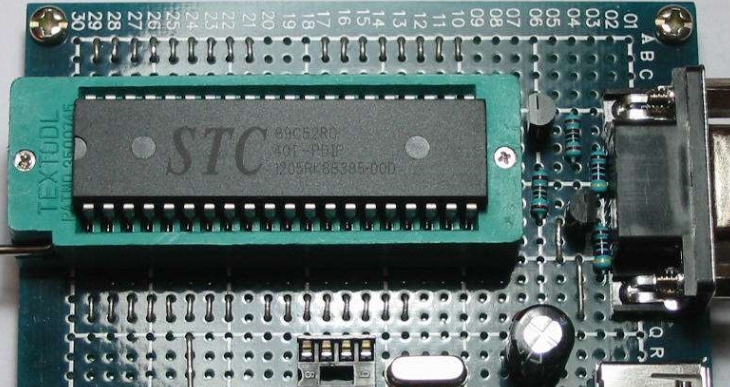
8051 MCU burning software must interface with compatible hardware programmers that physically implement the electrical signaling required for memory programming. These hardware devices range from simple DIY designs based on parallel ports or USB-to-serial converters to sophisticated standalone systems costing thousands of dollars. Universal programmers represent the most flexible category, supporting not only 8051 family devices but also thousands of other microcontrollers, memory chips, and programmable logic components. Units like the Xeltek Superpro series offer broad device coverage and robust construction suitable for both engineering development and low-to-medium volume production environments.
Dedicated 8051 programmers focus specifically on this architecture family, often at lower price points while maintaining excellent compatibility within their supported device range. Many modern solutions leverage USB connectivity for convenience and speed while including appropriate level-shifting circuitry to interface with target systems operating at different voltage levels (particularly important given the transition from traditional 5V to contemporary 3.3V implementations). For developers working primarily with specific manufacturer families, vendor-specific programmers like the NXP MCU-Link or Silicon Labs Debug Adapter provide optimized performance and guaranteed compatibility while sometimes limiting cross-platform flexibility. When evaluating programmer hardware, key considerations include voltage compatibility with target systems (both signaling levels and programming voltages), connection method (ISP vs. socket-based), production throughput requirements, and obviously compatibility with preferred burning software—all factors that resources like ICGOODFIND systematically compare to simplify selection processes.
Best Practices for Successful 8051 MCU Programming
Configuration and Setup Considerations
Proper configuration establishes the foundation for reliable 8051 MCU burning operations across development and production environments. Begin by meticulously verifying electrical interface compatibility between your programmer hardware and target system—paying particular attention to voltage levels (3.3V vs. 5V), signal timing characteristics, and physical connector pinouts which frequently vary between manufacturers despite standardized communication protocols. Many programming failures originate from seemingly minor electrical interface discrepancies rather than software or firmware issues. Most quality burning software provides configuration panels for establishing critical communication parameters like clock speed (particularly important for ISP scenarios where the target system might not have an independent crystal oscillator during programming), buffer size optimization settings controlling how data chunks are transferred between computer and programmer hardware.
Security bit configuration demands careful consideration early in the development process since incorrectly set security options can permanently or temporarily render devices inaccessible for reprogramming—effectively “bricking” expensive hardware. Different 8051 manufacturers implement varying security mechanisms under names like “lock bits,” “security fuse,” or “code protection,” but all serve similar purposes of preventing unauthorized access to programmed intellectual property. During development phases, these security features should generally remain disabled until final firmware validation completes; production units obviously require opposite configuration approaches depending on intellectual property protection requirements. Clock source selection represents another crucial configuration aspect since some 8051 variants derive their programming clocks from external sources while others utilize internal oscillators—mismatches in this area frequently produce cryptic programming failures that can consume substantial debugging time before identification.
Troubleshooting Common Programming Issues
Even with proper configuration,8051 MCU burning processes occasionally encounter issues requiring systematic troubleshooting approaches.Communication failures between software and programmer hardware represent perhaps the most common category of problems—typically manifesting as “device not found” or “connection timeout” error messages.Verification errors occurring after apparently successful programming cycles indicate mismatches between data sent to the device and contents read back from programmed memory.Device detection problems prevent the burning software from properly identifying connected microcontrollers,while power-related issues encompass both insufficient supply voltage/current and problematic power sequencing during programming operations.
Methodical isolation represents the most effective strategy when troubleshooting these challenges.Begin by verifying basic programmer functionality using known-good components whenever possible—testing with previously programmed devices confirms whether issues reside with new targets specifically or affect all programming attempts.Electrical parameter validation comes next,using oscilloscopes or logic analyzers to confirm that appropriate signal transitions occur at expected voltage levels during communication attempts.Simplification approaches often prove valuable—removing target devices from application circuits for socket-based programming eliminates potential interference from peripheral components,while reducing communication speeds can overcome timing marginalities in electrically noisy environments.For persistent challenges,consulting manufacturer application notes specific to your 8051 derivative frequently reveals device-specific programming peculiarities not adequately documented in general datasheets.Platforms like ICGOODFIND aggregate these manufacturer-specific insights alongside user experiences,**creating valuable knowledge repositories that accelerate problem resolution.
Optimization Strategies for Production Environments
Transitioning from successful development prototypes to volume manufacturing introduces additional considerations for 8051 MCU burning software implementation.Programming throughput optimization becomes economically significant at production scales,where saved seconds per device multiply across thousands of units.Several strategies collectively address this priority:Batch file scripting allows sequencing multiple operations without operator intervention between each cycle,while gang programmers simultaneously handle multiple devices using duplicated programming channels.Template configurations storing verified parameter sets prevent time-consuming manual setup repetition,and automated handling systems integrated with robotic component feeders create completely unattended programming workcells.
Quality assurance integration represents another production optimization dimension,with advanced burning software supporting features like serial number injection,test limit application,and results logging to manufacturing databases.These capabilities facilitate traceability throughout product lifecycles while automatically segregating properly programmed devices from those requiring rework or rejection.Modern solutions increasingly incorporate cloud connectivity for centralized management of distributed programming stations,enabling remote monitoring,software updates,and configuration synchronization across global manufacturing facilities.For organizations managing complex component inventories,programming systems featuring barcode scanning integration ensure correct device selection while preventing misprogramming incidents.The comprehensive tool evaluations available through resources like ICGOODFIND prove particularly valuable in production contexts,where reliability impacts extend far beyond individual project timelines to affect brand reputation and financial performance directly.**
Conclusion
The selection and mastery of appropriate 8051 MCU burning software remains an essential competency within the embedded systems development workflow,directly influencing project timelines,manufacturing efficiency,and ultimately product reliability in field deployment.As the 8051 architecture continues evolving through modern implementations offering enhanced performance,reduced power consumption,and expanded peripheral integration,corresponding programming tools similarly advance in sophistication—delivering faster speeds,broader device support,and more intuitive user experiences.Whether opting for commercial solutions with professional support structures or leveraging capable open source alternatives,the fundamental requirements remain consistent:reliable device communication,comprehensive verification,and straightforward integration within broader development and production ecosystems.**
The diversity of available solutions—from vendor-specific utilities optimized for particular manufacturer families to universal programmers supporting thousands of devices—ensures appropriate options exist for virtually any application context or budget constraint.Platforms like ICGOODFIND serve valuable roles in this fragmented landscape by providing structured comparisons that help engineers identify optimal tools matching their specific technical requirements,volume projections,and economic considerations.As embedded systems grow increasingly complex and interconnected,the humble process of transferring code from development environments into physical microcontrollers maintains its foundational importance—making continued attention to burning software selection and implementation practices a worthwhile investment for any organization working with 8051 technology.