





TPS54231DR: A Comprehensive Guide to the High-Efficiency Step-Down Converter
Introduction
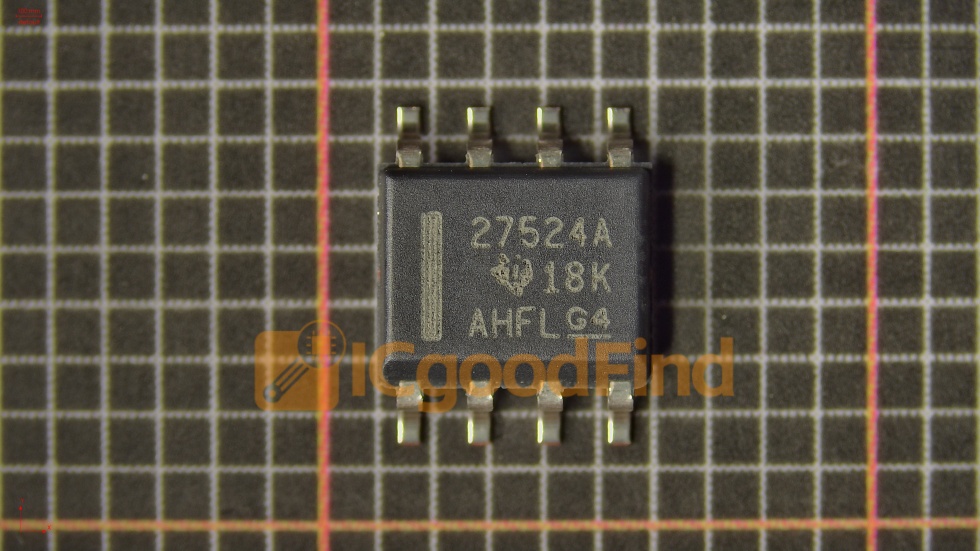
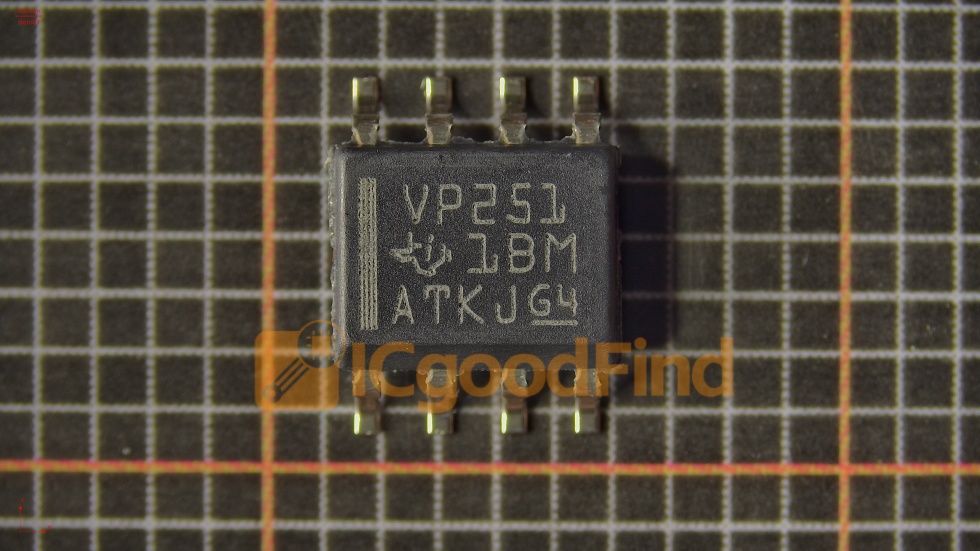
In the world of modern power management, the TPS54231DR has emerged as a cornerstone component for designers seeking a reliable, high-efficiency step-down (buck) converter. Whether you are developing consumer electronics, industrial automation systems, or automotive power supplies, understanding the capabilities of this integrated circuit is essential for optimizing performance and ensuring long-term reliability. The TPS54231DR is a 28-V, 2-A synchronous step-down DC-DC converter from Texas Instruments, packaged in a compact SOIC-8 package. Its popularity stems from a blend of wide input voltage range, high efficiency, and robust protection features, making it a go-to choice for engineers worldwide.
This article provides an in-depth analysis of the TPS54231DR, covering its key specifications, typical application circuits, design considerations, and comparative advantages. By the end, you will have a clear understanding of why this device remains a staple in power supply design and how to leverage its features for your next project. For those seeking genuine components, ICGOODFIND offers a reliable sourcing platform to secure authentic TPS54231DR units.
Main Body
Part 1: Key Specifications and Functional Overview
The TPS54231DR is a synchronous buck converter that integrates both high-side and low-side MOSFETs, eliminating the need for external Schottky diodes and simplifying circuit design. Its input voltage range spans from 4.5 V to 28 V, accommodating a variety of power sources including 5-V, 12-V, and 24-V rails. The output voltage is adjustable from 0.8 V to approximately 25 V, giving designers flexibility for low-voltage digital cores or higher-voltage analog circuits.
Key electrical parameters include: - Continuous output current: 2 A (with peak currents up to 3 A for short durations) - Fixed switching frequency: 570 kHz (typical), which balances efficiency and external component size - Integrated 85-mΩ high-side and 45-mΩ low-side MOSFETs for low conduction losses - Peak efficiency up to 95% under optimal conditions - Precision reference voltage: 0.8 V ±1% over temperature
The device also features cycle-by-cycle current limiting, thermal shutdown, and undervoltage lockout (UVLO) . The TPS54231DR operates in continuous conduction mode (CCM) at moderate to heavy loads and transitions to pulse-skipping mode at light loads to maintain high efficiency. Its enable pin allows for simple sequencing and low-power shutdown, drawing less than 2 µA when disabled.
A notable aspect is the internal compensation, which reduces external component count and simplifies loop design. However, designers must still select the inductor, output capacitor, and feedback resistors carefully to ensure stability and transient response. The TPS54231DR is characterized for operation over a junction temperature range of –40°C to 125°C, making it suitable for industrial and automotive environments.
Part 2: Typical Application Circuits and Design Considerations
Designing with the TPS54231DR requires attention to several critical aspects: inductor selection, output capacitor sizing, feedback network, and thermal management. A typical application circuit for a 12-V to 3.3-V, 2-A converter includes: - Input capacitor: 10 µF to 22 µF ceramic (X7R or X5R) placed close to the VIN pin - Inductor: 4.7 µH to 10 µH with saturation current rating > 3 A and low DCR - Output capacitor: 22 µF to 47 µF ceramic, plus optional 100 µF for transient loads - Feedback resistors: R1 and R2 to set VOUT = 0.8 V × (1 + R1/R2) - Bootstrap capacitor: 0.1 µF between BOOT and SW pins - Compensation: Internal, but a small feedforward capacitor across R1 may improve phase margin
Thermal design is crucial because the TPS54231DR dissipates power through conduction and switching losses. The SOIC-8 package has a θJA of approximately 120°C/W on a standard PCB. For 2-A output at 12-V input and 3.3-V output, efficiency is around 90%, so power loss is roughly 0.73 W. This leads to a junction temperature rise of ~88°C above ambient—acceptable for 25°C ambient but requiring derating or thermal vias for higher temperatures. Adding a copper pour on the SW and GND pins helps spread heat.
Layout guidelines include: - Keep the input loop (VIN, GND, and input capacitor) as small as possible. - Place the inductor and output capacitor close to the SW pin. - Use a ground plane under the device with multiple vias to the thermal pad. - Route the feedback trace away from the inductor and switch node to avoid noise coupling.
Light-load efficiency can be improved by allowing the device to enter pulse-skipping mode, but this may introduce output ripple. For noise-sensitive applications, a forced PWM mode can be enabled by adding a small load or using a different variant. The TPS54231DR also includes frequency foldback during short-circuit conditions, reducing switching frequency to limit current and protect the device.
Common pitfalls include insufficient bootstrap capacitance (causing high-side drive failure), poor inductor selection (leading to saturation and overheating), and inadequate output capacitance (resulting in excessive ripple or instability). Always refer to the TPS54231DR datasheet for detailed equations and recommended component values.
Part 3: Comparative Advantages and Use Cases
When compared to other step-down converters, the TPS54231DR stands out for its integration level and wide input voltage. For example, the LM2596 (a classic buck regulator) requires an external diode and has lower efficiency (around 75–80%) and a larger package. The TPS54231DR achieves up to 95% efficiency with synchronous rectification, reducing heat and board space. Similarly, the MP1584 offers similar current but lacks the integrated low-side MOSFET and has a higher minimum input voltage (4.5 V vs. 4.5 V—actually similar), but the TPS54231DR provides better thermal performance and tighter reference tolerance.
Use cases for the TPS54231DR include: - Industrial control systems: powering 3.3-V or 5-V sensors and microcontrollers from 24-V buses - Automotive infotainment: stepping down 12-V battery to 5-V or 3.3-V for USB charging and logic - Networking equipment: generating low-voltage rails for FPGAs and ASICs from 12-V backplanes - Consumer drones: providing stable 5-V for flight controllers from 3S–6S LiPo batteries - LED lighting: constant-current driving with additional feedback circuitry
The device’s enable pin allows for power sequencing, critical in multi-rail systems. Its soft-start (internal, ~1 ms) limits inrush current, preventing input voltage droop. The TPS54231DR also features hiccup-mode overcurrent protection, which reduces power dissipation during sustained faults.

For designers seeking authentic components, ICGOODFIND provides a trusted marketplace with traceability and quality assurance. Counterfeit TPS54231DR chips can lead to premature failure, so sourcing from reputable distributors like ICGOODFIND is essential. Additionally, the TPS54231DR is RoHS compliant and available in tape and reel packaging for automated assembly.
Conclusion
The TPS54231DR is a versatile, high-performance step-down converter that addresses the needs of modern power electronics. Its wide input voltage range (4.5 V–28 V) , 2-A output capability, integrated MOSFETs, and high efficiency make it ideal for industrial, automotive, and consumer applications. By understanding its specifications, following careful design practices for inductors, capacitors, and thermal management, and leveraging its protection features, engineers can create robust power supplies with minimal external components. When sourcing this component, prioritize authenticity through platforms like ICGOODFIND to avoid counterfeit risks. As power density requirements continue to rise, the TPS54231DR remains a reliable workhorse for step-down conversion.







