


BGM220SC22WGA2R: The Ultra-Low-Power Wireless SoC Redefining IoT Connectivity
Introduction
In the rapidly evolving landscape of the Internet of Things (IoT), the demand for energy-efficient, secure, and highly integrated wireless solutions has never been greater. Engineers and product designers constantly face the challenge of balancing performance with battery life, especially for compact, battery-powered devices. Enter the BGM220SC22WGA2R — a Silicon Labs Blue Gecko module that has emerged as a game-changer in the world of Bluetooth Low Energy (BLE) connectivity. This article dives deep into why this specific module stands out, how it solves real-world engineering pain points, and why it should be on your radar for next-generation product development. As a trusted resource for electronic component sourcing, ICGOODFIND highlights this module as a top-tier choice for professionals seeking reliability and cutting-edge specs.
Main Body
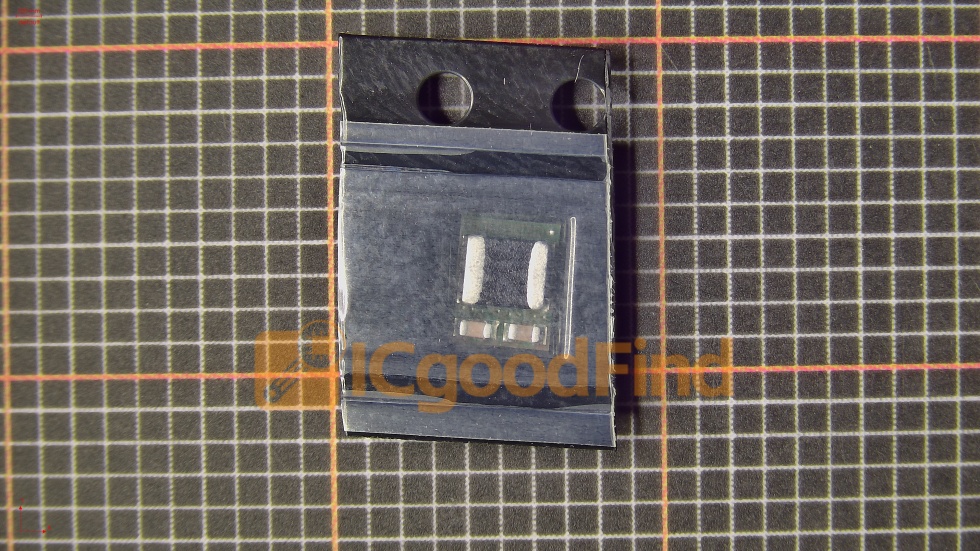
Part 1: Unpacking the BGM220SC22WGA2R — Core Architecture and Key Specifications
The BGM220SC22WGA2R is not just another wireless module; it is a complete, certified SiP (System-in-Package) solution built around the powerful EFR32BG22 SoC from Silicon Labs. Let’s break down its most compelling technical attributes.
1. Ultra-Low-Power Consumption for Battery-First Design The most striking feature of this module is its industry-leading energy efficiency. In active mode (RX), it draws only 3.9 mA, and in TX mode at +0 dBm, it consumes just 4.1 mA. Even more impressive is its shutdown current of 0.17 µA and sleep mode current of 1.4 µA (with RTC running). This translates directly to years of operation from a single CR2032 coin cell battery, making it ideal for smart sensors, asset trackers, and medical wearables where battery replacement is impractical.
2. Robust ARM Cortex-M33 Core with TrustZone At its heart lies a 40 MHz ARM Cortex-M33 processor with DSP instructions and FPU (Floating-Point Unit) . Unlike older M3 or M4 cores, the M33 includes ARM TrustZone technology, providing hardware-level isolation for secure key storage and secure boot. This is critical for applications handling sensitive data, such as smart locks, health monitors, and industrial control. The module also includes up to 352 kB of flash memory and 32 kB of RAM, offering ample space for complex application code and over-the-air (OTA) firmware updates.
3. Integrated Antenna and RF Performance The BGM220SC22WGA2R variant specifically includes a built-in PCB antenna, eliminating the need for external antenna design and tuning. This significantly reduces BOM cost and time-to-market. The RF output power is programmable up to +6 dBm, with a receive sensitivity of -98.9 dBm (1 Mbit/s GFSK) . This ensures a robust link budget of over 100 meters in open space, which is exceptional for a module of this size (just 9.9 mm x 8.2 mm x 1.4 mm). Furthermore, it supports Bluetooth 5.2 features, including LE Coded PHY (Long Range) , LE Advertising Extensions, and 2 Mbit/s PHY for higher throughput.
4. Rich Peripheral Set and GPIO Flexibility Despite its tiny footprint, the module offers up to 20 GPIOs with configurable analog and digital peripherals, including 12-bit ADC, USART, I2C, and PWM. This allows direct interfacing with external sensors, displays, and actuators without needing an additional MCU, truly functioning as a standalone application processor.
Part 2: Why Choose BGM220SC22WGA2R Over Competing Solutions? — A Comparative Advantage
When evaluating wireless modules, engineers often compare options from Nordic, TI, or Espressif. However, the BGM220SC22WGA2R holds distinct advantages that make it a superior choice in several key scenarios.
1. Certification and Regulatory Compliance — A Hidden Time-Saver One of the biggest hidden costs in IoT development is FCC, CE, ISED, and MIC certification. The BGM220SC22WGA2R comes pre-certified for these major global standards. This means you can integrate it into your product and skip the expensive and time-consuming RF certification process (which can take 3-6 months and cost tens of thousands of dollars). For startups and fast-moving product teams, this is an invaluable benefit that competitors like bare-chip solutions cannot offer.
2. Superior Software Stack and Development Ecosystem Silicon Labs provides the Simplicity Studio IDE and a comprehensive Bluetooth SDK with a proprietary, low-latency stack that is widely regarded as one of the most stable in the industry. The module also supports Dynamic Multiprotocol (e.g., running BLE and proprietary protocols simultaneously), which is a differentiator for smart home gateways. Additionally, the RAIL (Radio Abstraction Interface Layer) API allows for custom PHY configurations, giving advanced developers full control over the radio.
3. Security by Design — Not an Afterthought While many competitors offer basic AES encryption, the BGM220SC22WGA2R goes further with Secure Vault technology (on selected variants). This includes a true random number generator (TRNG), secure debug access control, and anti-tamper protection. In an era where IoT botnets and device spoofing are rampant, having a hardware root of trust is non-negotiable for enterprise and medical applications. This level of security is often only found in higher-priced modules, making this module a high-value proposition.
4. Cost-Effectiveness at Scale While the unit price of the BGM220SC22WGA2R is slightly higher than some raw BLE chips, the total system cost is often lower. When you factor in the elimination of external crystal oscillators, matching networks, and antenna tuning components, plus the reduced PCB area (4-layer boards are not required), the module often wins on overall cost. For high-volume production, this module offers a predictable and simplified supply chain, which is a critical factor for procurement teams. When sourcing this part, platforms like ICGOODFIND provide transparent pricing and stock availability, ensuring you avoid counterfeit components and supply chain disruptions.
Part 3: Practical Application Scenarios and Design Integration Tips
Understanding the specs is one thing; knowing how to use them effectively is another. Here are three real-world use cases where the BGM220SC22WGA2R shines, along with design recommendations.
Application 1: Smart Medical Wearables (Continuous Glucose Monitors & ECG Patches) For medical patches that must be worn for 14 days or more, power consumption is the primary constraint. The BGM220SC22WGA2R’s 1.4 µA sleep current allows the device to stay in a low-power state between measurement intervals. Its Cortex-M33 core can handle complex on-device algorithms (e.g., arrhythmia detection) without waking a separate host MCU. Design Tip: Use the LESENSE (Low Energy Sensor Interface) peripheral to wake the module only when a specific analog threshold is crossed, further extending battery life. Ensure your firmware uses the SEGGER J-Link debugger via the dedicated SWD pins for efficient development.

Application 2: Industrial Asset Tracking and Logistics In warehouses, tracking pallets and high-value equipment requires long-range connectivity and robust data integrity. The BGM220SC22WGA2R supports LE Coded PHY (S=8) , which extends range by up to 4x compared to standard BLE. Combined with its -98.9 dBm sensitivity, it can reliably communicate across a large distribution center. Design Tip: For metal enclosures, be aware that the integrated PCB antenna requires a keep-out zone of at least 5mm from metal surfaces. If your tracker is fully enclosed in metal, consider the BGM220SC22WGA2R’s sister variant with an external antenna connector (e.g., BGM220SC22HNA2R) for optimal RF performance.
Application 3: Smart Home Sensors (Door/Window, Temperature, Presence) For battery-powered sensors that need to last 5+ years, the BGM220SC22WGA2R is a perfect fit. Its fast wake-up time (typically < 5 µs) ensures that a door-open event is transmitted instantly, without noticeable latency. The module’s small footprint allows for ultra-slim industrial designs. Design Tip: Use the DCDC converter (built-in) to power the module from a 3.0V battery, as it improves efficiency by up to 20% compared to LDO mode. Also, leverage the NCP (Network Co-Processor) mode if you want to keep your existing MCU, using the module purely as a radio — this simplifies software migration from older designs.
Sourcing and Procurement Note: When you are ready to prototype or move to mass production, ensure you purchase the BGM220SC22WGA2R from authorized distributors. ICGOODFIND is an excellent resource for checking real-time stock, comparing pricing across suppliers, and verifying the authenticity of components. This is especially crucial for a module with a long lead time, as counterfeit parts can cause catastrophic field failures. Always request the Silicon Labs Certificate of Conformance for your batch.
Conclusion
The BGM220SC22WGA2R is far more than a simple BLE module; it is a comprehensive, secure, and ultra-low-power computing platform that addresses the most pressing challenges in modern IoT design. Its combination of a Cortex-M33 with TrustZone, Bluetooth 5.2 long-range support, and pre-certified radio makes it an outstanding choice for engineers who value both performance and time-to-market. Whether you are developing a next-generation medical wearable, a smart building sensor, or an industrial asset tracker, this module offers the perfect balance of size, power, and security.
While the semiconductor market faces volatility, the BGM220SC22WGA2R remains a stable, high-demand component. For procurement professionals and design engineers alike, leveraging a sourcing intelligence platform like ICGOODFIND can help you navigate stock shortages and price fluctuations, ensuring your project stays on schedule. In summary, if your next product demands reliable wireless connectivity with minimal power draw, look no further than the BGM220SC22WGA2R — it is not just a component; it is your competitive advantage in the crowded IoT arena.







