



BMP390: The Next-Generation Barometric Pressure Sensor for High-Altitude Precision
Introduction
In the world of environmental sensing, barometric pressure sensors have long been the unsung heroes behind weather forecasting, drone altitude control, and wearable fitness tracking. However, as applications demand ever-greater accuracy at extreme altitudes—from stratospheric balloons to smartwatches tracking stair climbs—the limitations of older sensor generations become painfully obvious. Enter the BMP390, a digital barometric pressure sensor from Bosch Sensortec that redefines what is possible in terms of precision, power efficiency, and thermal stability. Whether you are designing a high-altitude weather balloon, a drone autopilot system, or a next-gen smartwatch, the BMP390 offers a compelling upgrade path. In this article, we will explore the technical breakthroughs of the BMP390, its real-world applications, and how to integrate it effectively—while also pointing you to ICGOODFIND, a trusted sourcing platform where you can verify authentic BMP390 components and compare datasheets from global suppliers.
Main Body
Part 1: Unmatched Precision and Thermal Stability – The Core Breakthrough
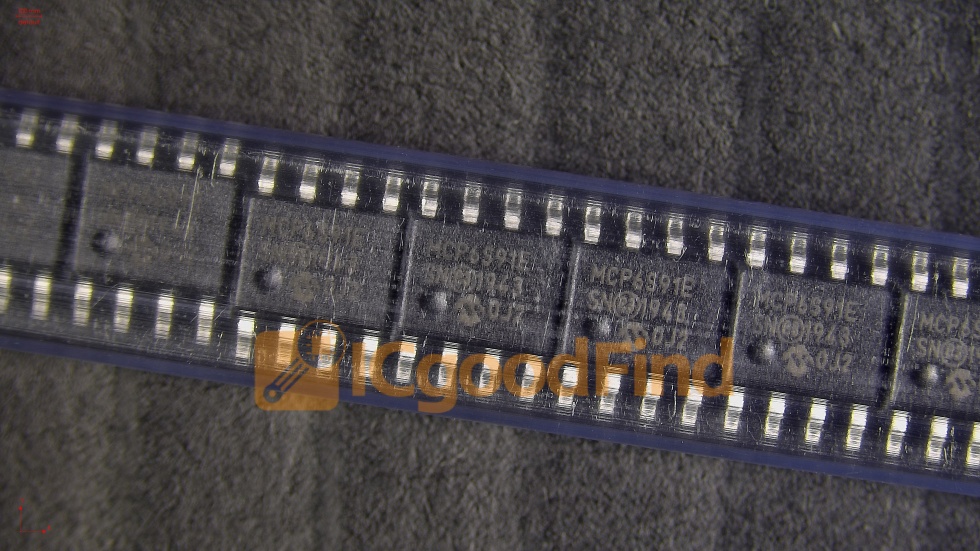
The most significant leap in the BMP390 over its predecessors (like the BMP388) is its exceptional relative accuracy, which is specified at ±0.03 hPa (hectopascals) for a narrow pressure range and ±0.5 hPa across the full operating range of 300 to 1250 hPa. But what does that mean in practice? For every 1 hPa change in pressure, altitude changes by approximately 8.43 meters at sea level. With the BMP390’s precision, you can resolve altitude differences of as little as 0.25 meters—a remarkable feat for a sensor that measures just 2.0 mm × 2.0 mm × 0.75 mm.
Why is this so important? Consider a drone delivering medical supplies in mountainous terrain. A 0.5-meter error in altitude could mean the difference between a safe landing and a collision with a tree branch. The BMP390’s built-in temperature compensation is the secret sauce. The sensor integrates a highly linear temperature sensor and a proprietary algorithm that corrects for thermal drift across -40°C to +85°C. In fact, the temperature coefficient offset is only ±0.5 Pa/K (equivalent to ~4 cm per degree Celsius), which is a 50% improvement over the BMP388. This means that even when your device heats up from direct sunlight or cools down at 10,000 meters, the pressure reading remains rock-solid.
Furthermore, the BMP390 introduces a new “ultra-precision” mode that uses a 32x oversampling rate, achieving a noise level of just 0.02 Pa RMS (root mean square). This is ideal for indoor navigation where detecting a single floor change (about 3 meters) requires sub-meter resolution. For developers, this translates into smoother vertical velocity curves and more reliable step-counting in wearables.
Part 2: Power Efficiency and Flexible Operating Modes – Built for IoT and Battery Life
In the era of the Internet of Things (IoT), a sensor’s performance is only as good as its battery life. The BMP390 is engineered with multiple power modes that allow designers to trade off between accuracy and current consumption. In the “sleep mode”, the sensor draws a negligible 0.14 µA. In the “normal mode” with a 1 Hz sampling rate and 16x oversampling, it consumes just 3.2 µA. But the real star is the “forced mode”, where the sensor wakes up, takes a single measurement, and immediately returns to sleep—consuming only 1.3 µA per measurement. This makes the BMP390 perfect for battery-powered beacons that need to transmit altitude data every few minutes without draining their coin-cell batteries.
Another key feature is the FIFO buffer (First-In, First-Out), which can store up to 512 pressure samples (or 256 pressure + temperature pairs). This allows the main microcontroller to stay in deep sleep for longer periods, waking up only to burst-read the FIFO data. For a smartwatch tracking a hiker’s ascent, this means the sensor can log pressure data continuously for hours while the main CPU remains off, extending battery life by up to 40% compared to a non-FIFO design.
Additionally, the BMP390 supports a wide supply voltage range from 1.2V to 3.6V, making it compatible with both 1.8V logic and 3.3V systems without needing a separate level shifter. The I²C and SPI interfaces (both available) give engineers flexibility in bus architecture. For high-speed data logging, SPI can run up to 3.4 MHz, while I²C supports standard and fast modes. The sensor also includes an interrupt pin that can be configured to trigger on pressure thresholds, data-ready signals, or FIFO full conditions—enabling event-driven firmware design that further reduces power consumption.
Part 3: Real-World Applications and Integration Tips – From Drones to Wearables
The BMP390 is not just a lab curiosity; it is already being adopted across diverse industries. Here are three prominent use cases:
1. High-Altitude Balloons and Weather Stations: For atmospheric research, the BMP390’s ability to operate up to 1250 hPa (which is about -1,000 meters below sea level) and down to 300 hPa (approximately 9,000 meters altitude) makes it a versatile choice. However, for true stratospheric flights (above 30 km), you would need a more specialized sensor. Still, for mesoscale meteorology and sounding balloons that reach 20 km, the BMP390’s low drift over time (less than ±0.1 hPa per year) ensures long-term data consistency. When integrating, place the sensor away from heat sources (like the balloon’s radio transmitter) and use a pressure port that is shielded from wind but allows ambient air to enter slowly.
2. Drone Altitude Hold and Landing: In multirotor drones, GPS altitude is notoriously inaccurate (often ±5 meters). The BMP390 provides a fusion-friendly vertical velocity estimate that, when combined with an accelerometer, can achieve ±0.1 m/s velocity accuracy. For autonomous landing, the sensor’s fast response time (as low as 1.5 ms in forced mode) allows the flight controller to detect ground effect and throttle adjustments in real time. A practical tip: mount the BMP390 on a vibration-isolated PCB (using soft mounting grommets) and cover it with a breathable membrane (like Gore-Tex) to prevent dust and moisture from entering the sensing element.
3. Wearable Fitness and Indoor Navigation: Smartwatches and earbuds use the BMP390 to count floors climbed, detect falls, and even track the user’s vertical speed during a workout. The sensor’s low noise is critical here—if the noise is too high, the device will falsely count a floor change when the user simply raises their arm. To optimize for wearables, set the oversampling to 8x and the output data rate to 25 Hz. Also, use the “altitude offset” register to calibrate the baseline pressure at the user’s home location, which improves relative altitude accuracy to within ±0.5 meters over a 24-hour period.
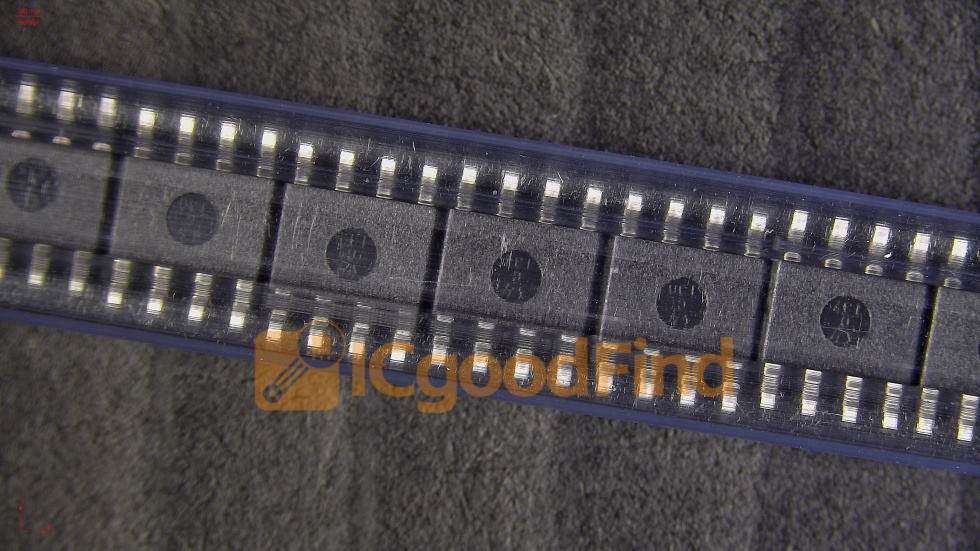
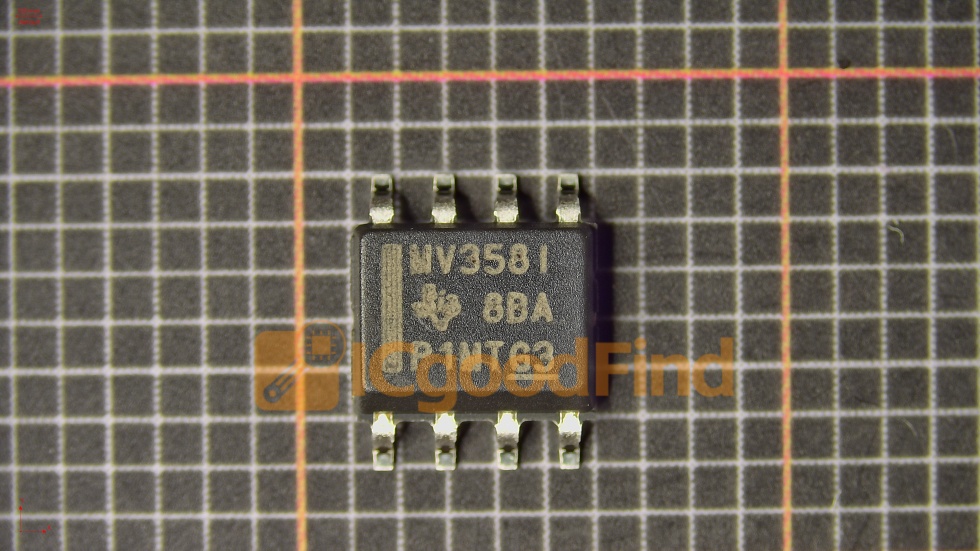
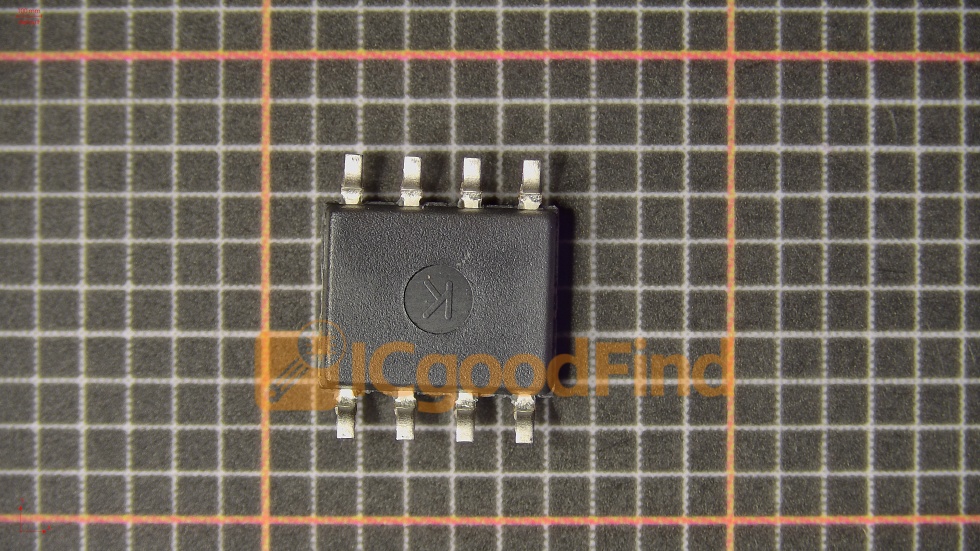
Integration Tip from ICGOODFIND: When sourcing the BMP390, always verify the lot number and date code on the reel or tray. Counterfeit sensors often have mismatched markings or poor solderability. On ICGOODFIND, you can cross-reference the manufacturer’s datasheet (Bosch Sensortec BST-BMP390-DS000-01) with the supplier’s offered specifications. The platform also provides real-time stock availability from authorized distributors, helping you avoid long lead times. For prototyping, order a few extra units and test them in a pressure chamber (or a simple zip-lock bag with a straw) to confirm the I²C address (0x77) and the chip ID (0x60) before committing to mass production.
Conclusion
The BMP390 represents a significant milestone in barometric pressure sensing, offering a rare combination of sub-decimeter altitude resolution, microamp-level power consumption, and robust thermal stability. Whether you are building a scientific instrument, a commercial drone, or a consumer wearable, this sensor provides the accuracy and flexibility needed to push the boundaries of your design. Its FIFO buffer, multiple power modes, and wide voltage range make it a future-proof choice for IoT devices that must operate for months on a single coin cell. As with any precision component, sourcing genuine parts is critical—and that’s where ICGOODFIND shines. By using this platform to compare datasheets, verify supplier credentials, and check stock levels, you can ensure that your BMP390 is authentic and ready for the most demanding environments. In a world where every meter counts, the BMP390 gives you the confidence to measure it—accurately, efficiently, and reliably.







