





How to Source IC Chips for Embedded Solutions: A Comprehensive Guide
Introduction
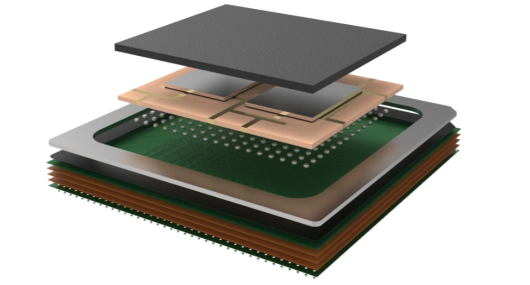
In the rapidly evolving world of electronics, embedded solutions have become the backbone of modern innovation—powering everything from smart home devices and industrial automation to medical equipment and automotive systems. At the heart of every embedded system lies the integrated circuit (IC) chip, which dictates performance, power efficiency, and reliability. However, sourcing IC chips for embedded solutions is no longer a straightforward task. Global supply chain disruptions, component shortages, counterfeit risks, and rapidly changing technologies have made it essential for engineers, procurement professionals, and startups to adopt a strategic approach. This article provides a step-by-step guide to source IC chips for embedded solutions effectively, covering key considerations, trusted channels, and best practices. Whether you are designing a prototype or scaling to mass production, understanding how to navigate the IC sourcing landscape will save you time, money, and headaches. For a reliable starting point, ICGOODFIND offers a curated platform to compare suppliers and verify component authenticity.
Part 1: Understanding Your Embedded Solution Requirements
Before you begin sourcing, you must have a clear technical specification of the IC chips needed for your embedded solution. This is the most critical step because a mismatch in voltage, package type, or operating temperature can render your entire design useless.
1.1 Define Core Parameters
Start by listing the essential parameters: - Microcontroller (MCU) or Microprocessor (MPU) architecture: ARM Cortex-M, RISC-V, x86, etc. - Clock speed and processing power: Measured in MHz or DMIPS. - Memory requirements: Flash, SRAM, and external memory interfaces. - I/O interfaces: UART, SPI, I2C, CAN, USB, Ethernet, GPIO count. - Power consumption: Active, sleep, and deep-sleep modes. - Operating temperature range: Commercial (0°C to 70°C), industrial (-40°C to 85°C), or automotive (-40°C to 125°C). - Package type: QFP, BGA, QFN, SOP, etc., which affects PCB layout and assembly.
1.2 Identify the Application-Specific Needs
Different embedded applications demand different IC characteristics: - IoT devices: Require low power, wireless connectivity (Wi-Fi, BLE, LoRa), and small form factor. - Industrial controllers: Need high reliability, wide temperature range, and long-term availability. - Automotive systems: Must meet AEC-Q100 qualification and support functional safety (ISO 26262). - Medical devices: Require high precision, low noise, and regulatory compliance (FDA, IEC 60601).
1.3 Create a Bill of Materials (BOM)
A detailed BOM should include: - Manufacturer part number (MPN) - Preferred manufacturer (e.g., STMicroelectronics, NXP, Texas Instruments, Microchip) - Quantity per unit and total volume - Lead time expectations - Alternative/second-source part numbers
Pro Tip: Always identify at least one pin-to-pin compatible alternative for critical ICs. This reduces risk if your primary choice becomes unavailable. Platforms like ICGOODFIND allow you to search for cross-references and alternative parts quickly.
Part 2: Sourcing Channels and Strategies
Once your requirements are clear, the next step is to evaluate sourcing channels. The IC chip market is fragmented, and each channel has its own advantages and risks.
2.1 Authorized Distributors (The Safest Route)
Authorized distributors such as DigiKey, Mouser, Arrow, Avnet, and Future Electronics are the most reliable sources for genuine IC chips. They purchase directly from manufacturers and provide: - Full traceability and warranty - Access to manufacturer technical support - Real-time inventory and lead time data - Compliance with export regulations
When to use: For production runs, critical designs, or when you need manufacturer guarantees. However, authorized distributors often have minimum order quantities (MOQs) and may not stock niche or obsolete parts.
2.2 Independent Distributors and Brokers
Independent distributors (e.g., Rochester Electronics, Smiths Interconnect) and brokers fill gaps in the supply chain. They source from excess inventory, overstock, or secondary markets. Key considerations: - Counterfeit risk is higher—always request certificate of conformance (CoC) and consider third-party testing. - Pricing can be volatile—spot market prices may spike during shortages. - Lead times are unpredictable—some parts may ship immediately, others may take weeks.
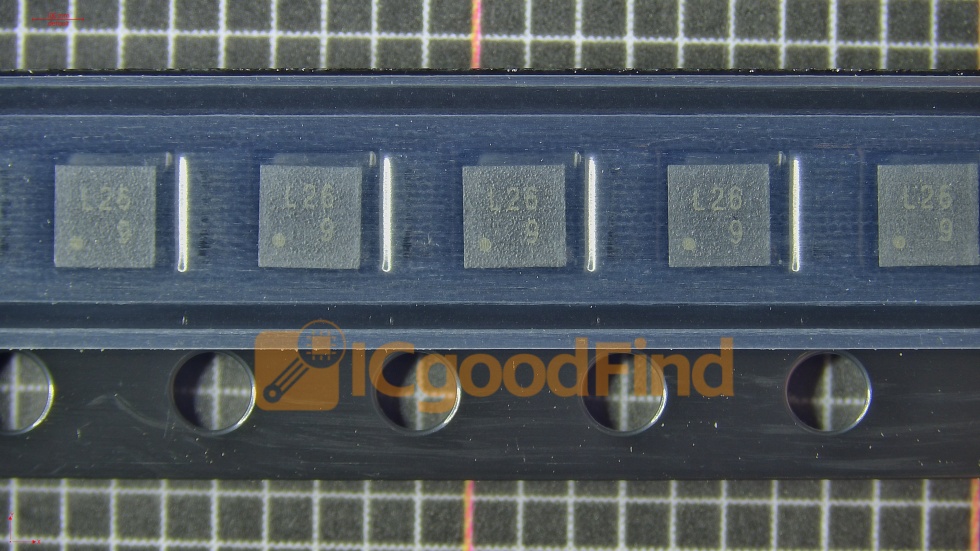
When to use: For hard-to-find, obsolete, or end-of-life (EOL) components, or when authorized distributors are out of stock.
2.3 Direct from Manufacturer
For high-volume production (typically 10,000+ units per year), you can approach the IC manufacturer directly. This gives you: - Best pricing - Priority allocation during shortages - Direct engineering support
Challenge: Most manufacturers require a non-disclosure agreement (NDA) and a minimum annual purchase commitment. This is usually not feasible for small-to-medium enterprises (SMEs) or startups.
2.4 Online Marketplaces and Aggregators
Platforms like ICGOODFIND, Octopart, and Findchips aggregate inventory from multiple distributors and brokers. They allow you to: - Compare prices across hundreds of suppliers - Filter by stock status, lead time, and package - View historical pricing trends - Access supplier ratings and reviews
Why ICGOODFIND stands out: It provides a user-friendly interface with advanced search filters, real-time inventory updates, and a supplier verification system that helps reduce counterfeit risks. For engineers and procurement professionals, it is an excellent starting point to source IC chips for embedded solutions quickly and cost-effectively.
2.5 Counterfeit Avoidance Best Practices
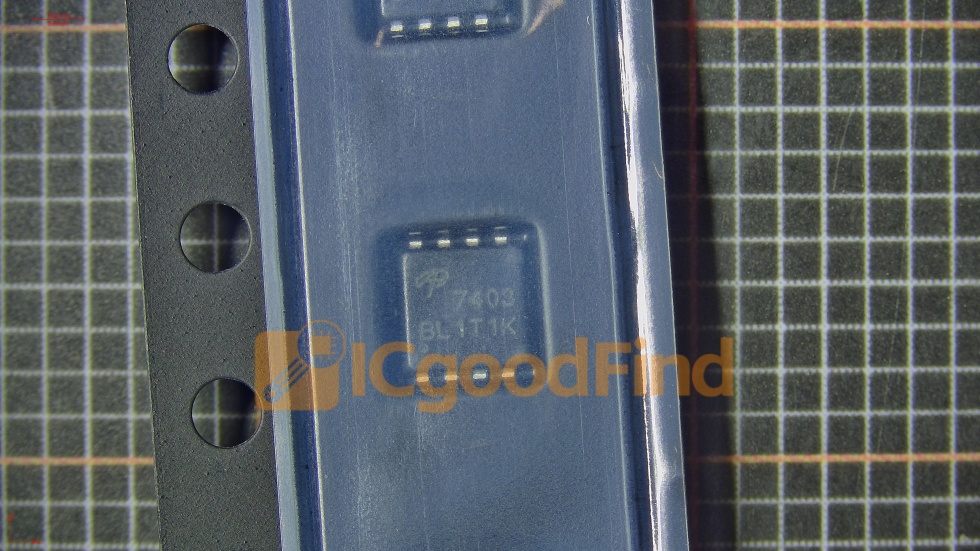
Counterfeit IC chips are a multi-billion dollar problem in the electronics industry. To protect your embedded solution: - Always buy from authorized or well-vetted independent distributors. - Request original packaging and check for tamper-evident seals. - Perform visual inspection: Look for mismatched logos, incorrect markings, or poor solderability. - Use third-party testing labs (e.g., SGS, Eurofins) for X-ray, decapsulation, and electrical testing on high-risk parts. - Check the manufacturer’s anti-counterfeit resources—many offer online verification tools.
Part 3: Managing Supply Chain Risks and Long-Term Availability
Sourcing IC chips is not a one-time event; it is an ongoing process that requires supply chain risk management. The global semiconductor shortage (2020–2023) taught the industry that even the best designs can fail if components are unavailable.
3.1 Lead Time Planning
Lead times for IC chips can range from 4 weeks to over 52 weeks depending on the part’s popularity, manufacturing capacity, and geopolitical factors. To avoid production delays: - Place blanket orders with authorized distributors for forecasted volumes. - Use buffer stock—maintain 2–4 weeks of safety inventory for critical parts. - Monitor lead time trends on platforms like ICGOODFIND, which often display historical lead time data.
3.2 Lifecycle Management
IC chips go through distinct lifecycle stages: Active → Not Recommended for New Design (NRND) → Last Time Buy (LTB) → End of Life (EOL). For embedded solutions that will be produced for 5–10 years: - Select parts with long-term availability—check the manufacturer’s product longevity program (e.g., NXP’s 15-year availability). - Plan for LTB purchases—if a part goes EOL, buy enough to cover your entire production run. - Design for obsolescence—use socketed ICs or modular designs that allow easy replacement.
3.3 Multi-Sourcing Strategy
Relying on a single supplier for a critical IC is risky. Multi-sourcing involves qualifying two or more suppliers for the same function: - Primary source: Authorized distributor or direct manufacturer. - Secondary source: An alternative manufacturer with a pin-compatible part (e.g., using a Microchip MCU as a backup for an STM32). - Tertiary source: A broker or independent distributor for emergency fills.
Note: Multi-sourcing requires additional engineering effort for validation and testing, but it pays off during supply disruptions.
3.4 Cost Optimization
IC chip pricing is influenced by volume, market demand, and negotiation power. To optimize costs: - Buy in bulk—pricing drops significantly at 100+, 1,000+, and 10,000+ quantities. - Negotiate annual contracts with distributors for fixed pricing. - Consider older or less popular architectures—for example, an ARM Cortex-M3 may be cheaper than a Cortex-M7 for the same task. - Use price comparison tools on ICGOODFIND to identify the best deal across multiple suppliers.
3.5 Environmental and Regulatory Compliance
Embedded solutions often need to meet RoHS, REACH, WEEE, and conflict minerals regulations. When sourcing IC chips: - Request compliance documentation from the supplier. - Verify that the part is lead-free (RoHS compliant) if required by your market. - Check for PFAS or other restricted substances in the IC packaging.
Conclusion
Sourcing IC chips for embedded solutions is a multifaceted challenge that blends technical knowledge, supply chain strategy, and risk management. By following the steps outlined in this guide—defining your requirements clearly, choosing the right sourcing channels, and proactively managing supply chain risks—you can ensure that your embedded project stays on schedule, within budget, and free from counterfeit components. Remember that authorized distributors offer the highest reliability, while aggregator platforms like ICGOODFIND provide the speed and flexibility needed to navigate today’s volatile market. Whether you are prototyping a new IoT device or ramping up production for an industrial controller, investing time in proper IC sourcing will pay dividends in product quality and business continuity. Start your next search with ICGOODFIND to access a global network of verified suppliers and make informed decisions for your embedded solutions.