Automotive Electronic PCB Board Original Chips: The Backbone of Modern Vehicle Intelligence
Introduction
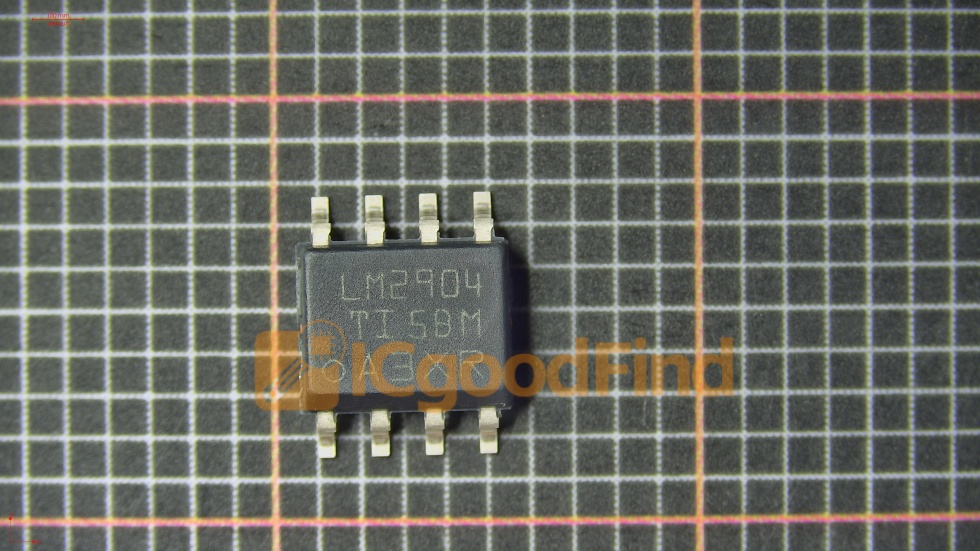
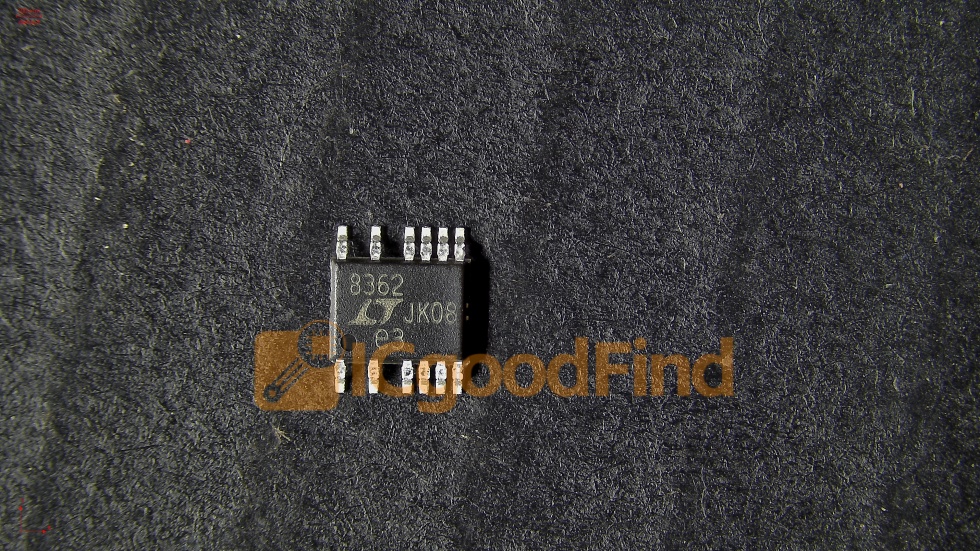
The automotive industry is undergoing a radical transformation, driven by electrification, autonomous driving, and advanced connectivity. At the heart of this revolution lies a critical component: the automotive electronic PCB board original chips. These specialized semiconductors, mounted on high-reliability printed circuit boards (PCBs), are the brains behind everything from engine control units (ECUs) to infotainment systems and advanced driver-assistance systems (ADAS). Unlike consumer electronics, automotive chips must withstand extreme temperatures, vibrations, and electromagnetic interference while maintaining flawless performance over a vehicle’s 15–20-year lifespan. This article explores the unique characteristics, manufacturing challenges, and future trends of automotive electronic PCB board original chips, and highlights how platforms like ICGOODFIND are helping engineers and procurement professionals source authentic, high-quality components in a market flooded with counterfeits.
Body
Part 1: What Makes Automotive Electronic PCB Board Original Chips Different?
Automotive electronic PCB board original chips are not your standard off-the-shelf semiconductors. They are designed, tested, and certified to meet stringent automotive standards such as AEC-Q100 (for integrated circuits) , AEC-Q101 (for discrete semiconductors) , and ISO 26262 (functional safety) . These certifications ensure that chips can operate reliably in environments ranging from –40°C to +150°C, survive mechanical shocks of up to 50G, and resist corrosion from salt spray and humidity.
Key characteristics include:
- Extended temperature range: Automotive chips are rated for Grade 0 (–40°C to +150°C), Grade 1 (–40°C to +125°C), or Grade 2 (–40°C to +105°C), far beyond the 0°C–70°C range of typical consumer chips.
- Zero-defect quality: Automotive manufacturers demand defect rates below 1 part per million (PPM) , often targeting single-digit PPM or even zero defects. This requires rigorous wafer-level testing, burn-in screening, and statistical process control.
- Long lifecycle support: A vehicle model may be produced for 5–7 years, and replacement parts must be available for another 10–15 years. Chip suppliers must guarantee supply continuity, often through last-time buy (LTB) programs or extended production agreements.
- Functional safety compliance: Chips used in safety-critical systems (braking, steering, airbags) must meet ASIL (Automotive Safety Integrity Level) requirements from A (lowest) to D (highest). This involves redundant design, error correction codes (ECC), and built-in self-test (BIST) features.
Original chips—those manufactured by the original component maker (e.g., Infineon, NXP, Texas Instruments, STMicroelectronics)—are essential because counterfeit or recycled chips often lack these robust characteristics. A counterfeit chip might fail after 1,000 hours of operation, leading to catastrophic vehicle failures. Platforms like ICGOODFIND specialize in verifying the authenticity of automotive electronic PCB board original chips through traceability audits, X-ray inspection, and electrical testing.
Part 2: Manufacturing and Supply Chain Challenges
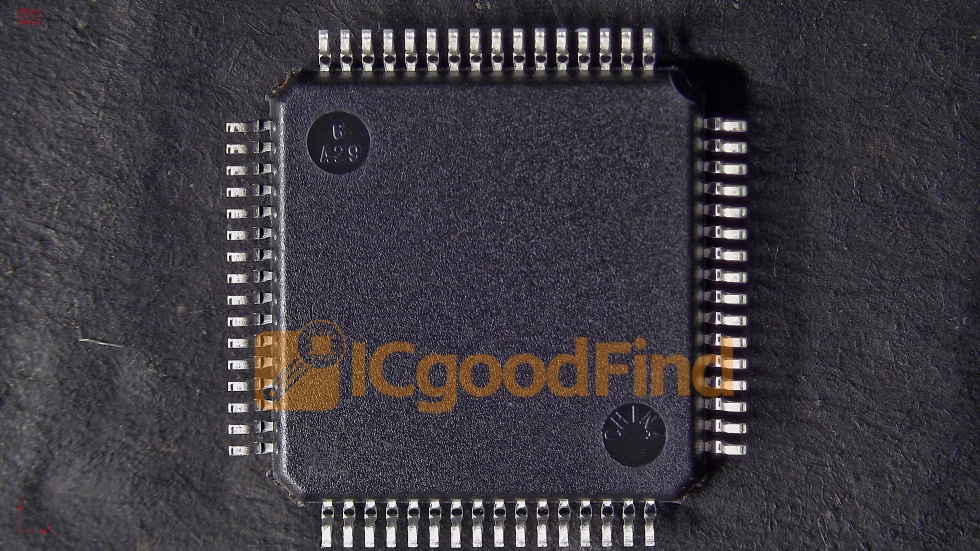
Producing automotive electronic PCB board original chips is a complex, capital-intensive process. The semiconductor fabrication (front-end) uses specialized nodes—often 28nm, 40nm, or 65nm—that balance performance, power efficiency, and reliability. Unlike cutting-edge 3nm or 5nm nodes used in smartphones, automotive chips prioritize mature, proven processes to minimize defect risks.
Key manufacturing steps include:
- Wafer fabrication: Silicon wafers undergo hundreds of steps—doping, etching, deposition, and lithography—to create transistor structures. Automotive chips often use silicon-on-insulator (SOI) or BCD (Bipolar-CMOS-DMOS) technologies for high-voltage and analog performance.
- Assembly and packaging: Chips are mounted on automotive-grade PCB substrates using lead-free solder (e.g., SAC305) and encapsulated in robust packages like QFP, BGA, or QFN. Packages must pass moisture sensitivity level (MSL) 1 and temperature cycling tests.
- Testing and qualification: Each chip undergoes ATE (automatic test equipment) testing at multiple temperatures, followed by burn-in (operating at elevated voltage and temperature for 48–168 hours) to weed out infant mortality failures.
Supply chain challenges are acute:
- Long lead times: Automotive chips can have lead times of 26–52 weeks, compared to 8–12 weeks for consumer chips. The 2020–2023 global chip shortage highlighted how a single missing chip can halt an entire vehicle assembly line.
- Counterfeit risks: The high value of original chips (e.g., a single ADAS processor can cost \(50–\)200) attracts counterfeiters who remark recycled or lower-grade chips. ICGOODFIND addresses this by providing a verified marketplace where suppliers must submit certificates of conformance (CoC) and traceability documentation.
- Geopolitical dependencies: Over 70% of advanced automotive chips are fabricated in Taiwan (TSMC) and South Korea (Samsung). Any disruption—from earthquakes to trade tensions—can cripple global supply. Automakers are now reshoring some production to the US and Europe, but this will take years.
The role of PCB design is equally critical. Automotive PCBs must use high-Tg (glass transition temperature) materials (e.g., FR-4 with Tg > 170°C), thick copper layers (2–4 oz) for high current, and controlled impedance for high-speed signals (e.g., CAN FD, Ethernet, SerDes). The combination of original chips and robust PCBs ensures that electronic systems can survive decades of use.
Part 3: Applications and Future Trends
Automotive electronic PCB board original chips are deployed across every vehicle subsystem:
- Powertrain: Engine control units (ECUs), transmission controllers, and battery management systems (BMS) for electric vehicles (EVs). Chips like Infineon’s TC3xx or NXP’s S32K handle real-time control loops with microsecond latency.
- ADAS and autonomous driving: Radar, LiDAR, camera, and ultrasonic sensor processing. Mobileye’s EyeQ or NVIDIA’s Orin chips perform massive parallel computations for object detection and path planning.
- Infotainment and connectivity: Central gateway modules, telematics control units (TCUs), and digital instrument clusters. Qualcomm’s Snapdragon Cockpit or TI’s Jacinto chips integrate high-performance CPUs, GPUs, and DSPs.
- Body electronics: Door modules, lighting controllers, seat adjusters, and HVAC systems. Low-cost 8-bit or 32-bit MCUs from Microchip, Renesas, or STMicroelectronics manage these functions.
Future trends shaping the industry include:
- Chiplet architecture: Instead of a single monolithic chip, automakers are adopting chiplet-based designs that combine multiple dies (e.g., CPU, GPU, AI accelerator) on a single package via advanced interconnects like UCIe. This improves yield and allows mixing of different process nodes.
- Software-defined vehicles (SDVs): Chips must support over-the-air (OTA) updates and virtualization to run multiple software stacks (e.g., AUTOSAR, Linux, Android) on a single hardware platform. This requires hardware security modules (HSMs) and memory protection units (MPUs) .
- Wide bandgap semiconductors: For EV power electronics, silicon carbide (SiC) and gallium nitride (GaN) chips are replacing traditional silicon IGBTs. SiC MOSFETs offer higher efficiency, faster switching, and better thermal performance, enabling smaller, lighter inverters and chargers.
- AI at the edge: Chips with dedicated neural processing units (NPUs) are being embedded in sensors and actuators to enable edge AI—processing data locally rather than sending it to a central cloud. This reduces latency and bandwidth requirements.
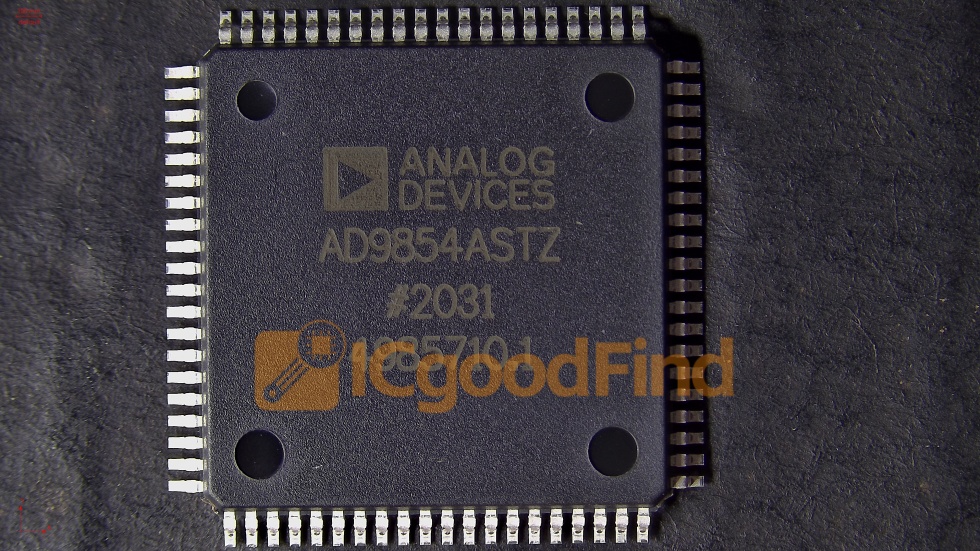
Sourcing original chips is becoming more challenging as demand surges. ICGOODFIND provides a trusted platform where buyers can search for automotive electronic PCB board original chips by part number, manufacturer, or specification. The platform’s verification process includes cross-referencing with manufacturer databases, physical inspection, and functional testing to ensure that every chip meets OEM standards. For example, a buyer looking for NXP’s S32K144 or Infineon’s TLE9879 can find verified stock with full traceability.
Conclusion
Automotive electronic PCB board original chips are the unsung heroes of modern vehicles, enabling everything from fuel-efficient combustion engines to fully autonomous electric cars. Their unique design—built for extreme reliability, long lifecycles, and functional safety—sets them apart from consumer-grade semiconductors. However, the complexity of manufacturing and the vulnerability of the supply chain demand vigilance from engineers, procurement teams, and automakers. Counterfeit chips pose a real threat to vehicle safety and performance, making it essential to source from verified suppliers.
As the industry moves toward chiplet architectures, wide bandgap materials, and software-defined vehicles, the demand for authentic, high-quality chips will only grow. Platforms like ICGOODFIND play a vital role in bridging the gap between global manufacturers and end-users, ensuring that every automotive electronic PCB board original chip is genuine, traceable, and ready for the road ahead. Whether you are designing the next-generation EV powertrain or upgrading an existing ADAS system, investing in original chips is not just a quality choice—it is a safety imperative.