




Smart Home Solution Full BOM Components: The Ultimate Guide to Building a Connected Home
Introduction
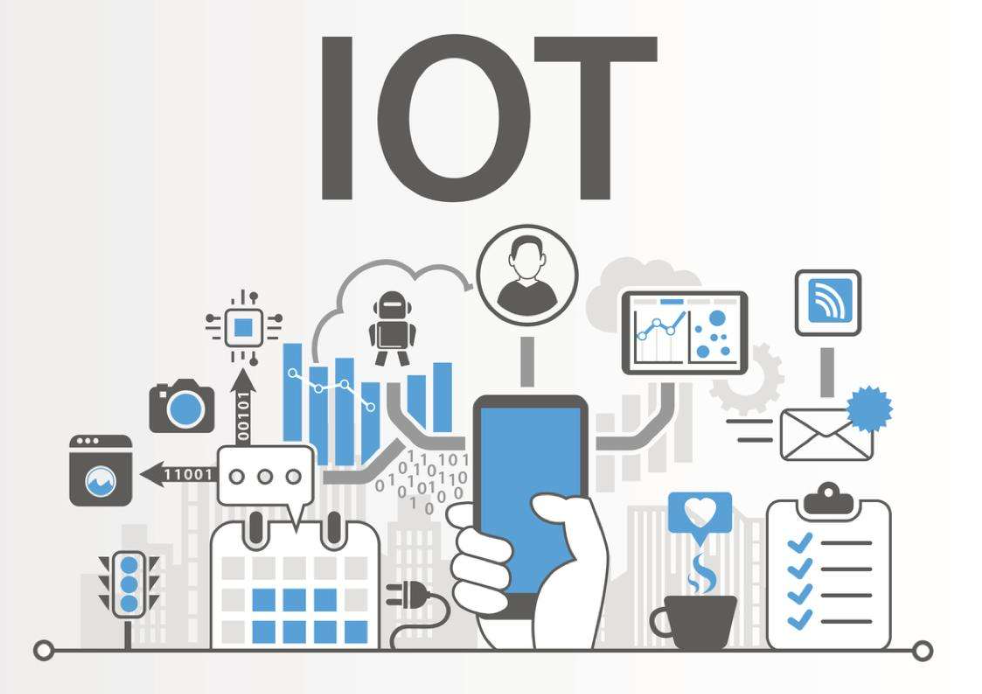
The smart home industry is experiencing explosive growth, with global market projections exceeding $200 billion by 2026. Behind every intelligent light bulb, voice-controlled thermostat, or automated security system lies a meticulously curated Bill of Materials (BOM). For engineers, product managers, and DIY enthusiasts, understanding the smart home solution full BOM components is the difference between a prototype that works and a product that scales. This comprehensive guide breaks down every essential component category, from microcontrollers to connectivity modules, and explains how to source them efficiently. Whether you are designing a single-room automation system or a whole-home ecosystem, this article will help you navigate the complex landscape of smart home solution full BOM components with confidence. For reliable sourcing and component discovery, platforms like ICGOODFIND offer extensive databases and cross-referencing tools that can streamline your procurement process.
Part 1: Core Processing and Control Components
1.1 Microcontrollers (MCUs) and System-on-Chips (SoCs)
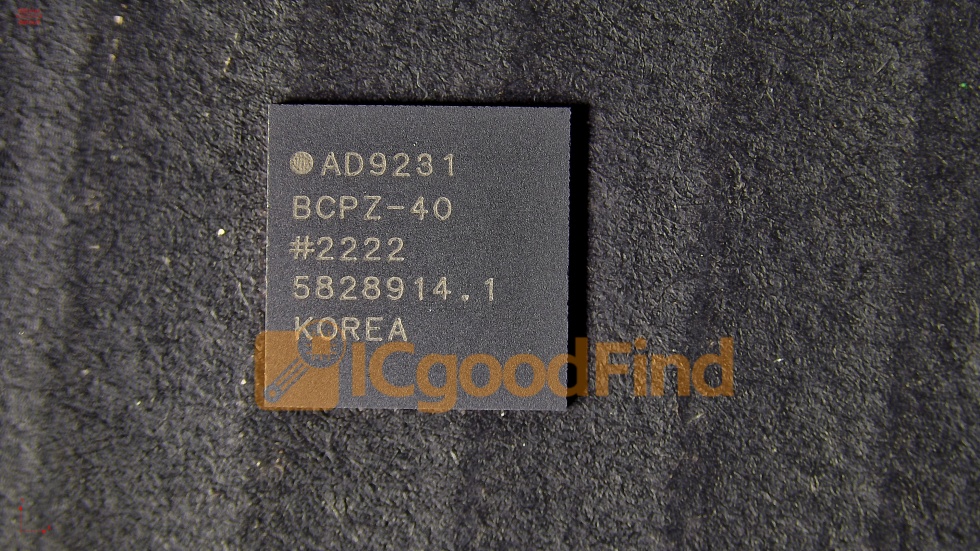
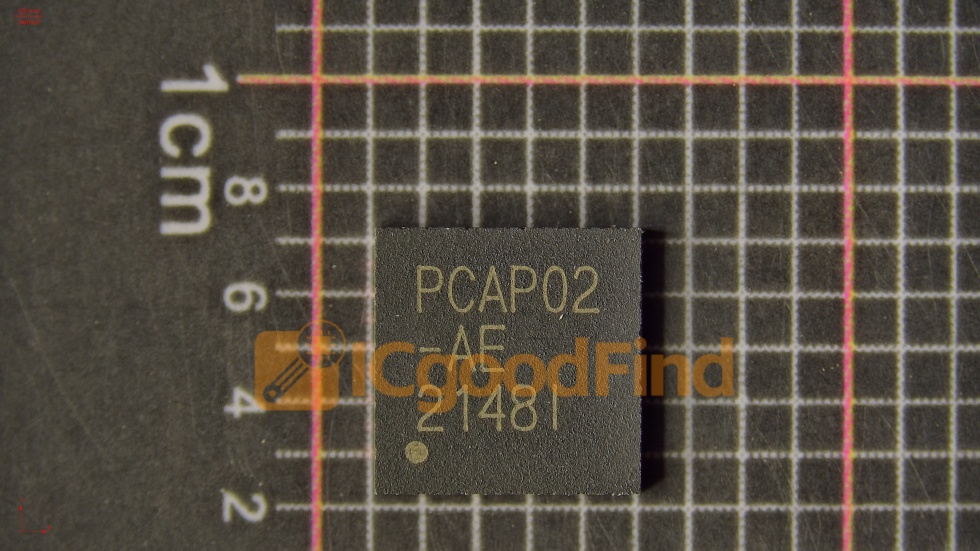
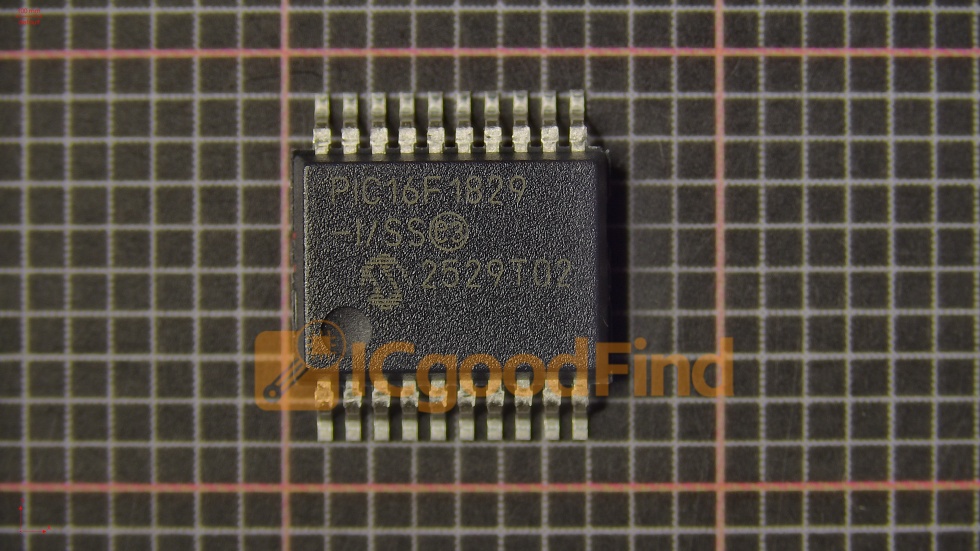
The brain of any smart home device is its microcontroller or system-on-chip. These components handle data processing, sensor input, and communication protocols. When selecting smart home solution full BOM components, the MCU choice determines power consumption, processing speed, and peripheral support.
- ESP32 Series: The industry standard for Wi-Fi and Bluetooth-enabled devices. It offers dual-core processing, built-in Wi-Fi/Bluetooth, and low-power modes. Ideal for smart plugs, sensors, and lighting controllers.
- STM32 Family: Preferred for industrial-grade applications requiring high reliability and real-time control. Used in smart thermostats, motorized blinds, and security panels.
- Raspberry Pi RP2040: A cost-effective option for simple sensor nodes and hobbyist projects, though limited in connectivity options.
- Nordic nRF52 Series: Optimized for Bluetooth Low Energy (BLE) applications, perfect for wearables and battery-operated sensors.
Key specifications to consider: Clock speed (typically 40–240 MHz), RAM (256 KB–8 MB), flash memory (512 KB–16 MB), and GPIO count. For battery-powered devices, look for deep sleep modes consuming less than 10 µA.
1.2 Memory and Storage Components
Smart home devices require both volatile and non-volatile memory for firmware storage, data logging, and configuration retention.
- Flash Memory: NOR flash (e.g., Winbond W25Q series) for code execution, NAND flash for larger data storage. Typical sizes range from 2 MB to 128 MB.
- SRAM/DRAM: For real-time data buffering. Most MCUs integrate SRAM, but external DRAM may be needed for video processing or complex AI workloads.
- EEPROM: For storing calibration data, Wi-Fi credentials, and user preferences. Common sizes: 256 bytes to 64 KB.
Sourcing tip: When building your smart home solution full BOM components list, always verify memory compatibility with your chosen MCU. ICGOODFIND provides detailed datasheets and cross-reference tools to ensure pin-to-pin compatibility.
1.3 Power Management ICs (PMICs)
Efficient power management is critical for smart home devices, especially those running on batteries or harvesting energy.
- Voltage Regulators: Linear regulators (e.g., AMS1117) for low-noise analog circuits; switching regulators (e.g., TPS5430) for high-efficiency power conversion.
- Battery Management ICs: For Li-ion/Li-Po charging (e.g., TP4056, BQ24075) with overcharge, over-discharge, and short-circuit protection.
- Power Sequencing ICs: Ensure proper startup and shutdown sequences for multi-rail systems.
- Energy Harvesting ICs: For solar-powered sensors or kinetic energy harvesters (e.g., LTC3105, BQ25570).
Design consideration: A typical smart plug consumes 0.5–2 W in active mode and less than 0.1 W in standby. Optimize your smart home solution full BOM components for Energy Star or EU ErP compliance.
Part 2: Connectivity, Sensing, and Actuation Components
2.1 Wireless Communication Modules
Connectivity is the backbone of any smart home ecosystem. The choice of wireless protocol depends on range, data rate, power consumption, and interoperability.
- Wi-Fi Modules: ESP8266/ESP32 (2.4 GHz), Realtek RTL8720 (dual-band). Range: 30–100 meters indoors. Ideal for high-bandwidth applications like video streaming.
- Bluetooth/BLE Modules: Nordic nRF52840, TI CC2640. Range: 10–30 meters. Perfect for short-range, low-power sensors and wearables.
- Zigbee/Z-Wave Modules: Silicon Labs EFR32, NXP JN5169. Range: 10–100 meters (mesh network). Essential for home automation hubs and multi-device coordination.
- Thread/Matter Modules: Based on IEEE 802.15.4, with IPv6 support. Emerging standard for cross-platform interoperability.
- LoRa/LoRaWAN Modules: For long-range, low-data-rate applications (e.g., outdoor sensors, smart meters). Range: 2–15 km.
Integration tip: Many modern MCUs integrate Wi-Fi/BLE (e.g., ESP32-S3). For modular designs, use pre-certified modules to reduce FCC/CE testing costs. ICGOODFIND lists certified modules with regulatory documentation.
2.2 Sensor Components
Sensors convert physical phenomena into electrical signals. A comprehensive smart home solution full BOM components list includes multiple sensor types.
- Environmental Sensors:
- Temperature/Humidity: DHT22, BME280, SHT30. Accuracy: ±0.5°C, ±3% RH.
- Air Quality: CCS811 (TVOC/eCO2), PMS5003 (PM2.5), MH-Z19B (CO2).
- Light: BH1750 (ambient light), VEML7700 (lux).
- Motion and Presence Sensors:
- PIR: HC-SR501, AM312. Range: 3–10 meters.
- Ultrasonic: HC-SR04. Range: 2–400 cm.
- mmWave Radar: LD2410, HLK-LD2410. Can detect human presence through walls.
- Safety Sensors:
- Smoke/Gas: MQ-2, MQ-7, MQ-135. For CO, LPG, smoke detection.
- Water Leak: Simple conductivity probes or capacitive sensors.
- Door/Window: Magnetic reed switches (MC-38).
- Smart Metering Sensors:
- Current: ACS712, SCT-013 (non-invasive clamp).
- Voltage: ZMPT101B.
- Energy: HLW8032, BL0937.
Calibration note: Analog sensors often require external ADC (e.g., ADS1115) for accurate readings. Digital sensors with I2C/SPI interfaces simplify integration.
2.3 Actuators and Output Devices
Actuators enable smart home devices to interact with the physical world.
- Relays: Electromechanical (SRD-05VDC-SL-C) for high-power loads (10 A/250 VAC); solid-state relays (SSR) for silent operation.
- Motor Drivers: L298N, DRV8833 for DC motors; A4988, TMC2209 for stepper motors. Used in smart blinds, curtains, and robotic vacuums.
- LED Drivers: WS2812B (addressable RGB), PT4115 (constant current). For smart lighting with color temperature and brightness control.
- Audio Output: I2S DACs (MAX98357A) for voice assistants; piezo buzzers for alerts.
- Display Modules: OLED (SSD1306, 128x64), TFT (ILI9341, 320x240), e-ink (DEPG0213BN) for low-power status displays.
Load calculation: Always include flyback diodes for inductive loads (relays, motors) and current-limiting resistors for LEDs. ICGOODFIND offers application notes and reference designs for common actuator circuits.
Part 3: Passive Components, Connectors, and Enclosure Considerations
3.1 Passive Components
Passive components are the unsung heroes of any smart home solution full BOM components list. They ensure signal integrity, power stability, and electromagnetic compatibility (EMC).
- Resistors: Thick film (0805, 0603) for general use; precision (0.1% tolerance) for voltage dividers; current-sense resistors (0.01–0.1 Ω) for power monitoring.
- Capacitors: MLCC (10 pF–100 µF) for decoupling; electrolytic (100–1000 µF) for bulk storage; tantalum for low-ESR applications.
- Inductors: Power inductors (1–100 µH) for DC-DC converters; ferrite beads for EMI suppression.
- Crystals and Oscillators: 32.768 kHz for RTC; 16–40 MHz for MCU clock; TCXO for precise timing in wireless modules.
- Diodes: Schottky (BAT54) for low forward voltage; Zener for voltage clamping; TVS for ESD protection.
Sourcing strategy: Use standardized package sizes (0402, 0603, 0805) to simplify assembly. ICGOODFIND allows filtering by package, tolerance, and temperature coefficient, ensuring you find the exact passive component for your design.
3.2 Connectors and Wiring
Reliable connectivity between modules and external devices is non-negotiable.
- Board-to-Board Connectors: Pin headers (2.54 mm pitch), FPC connectors (0.5 mm pitch), mezzanine connectors for stacking.
- Wire-to-Board Connectors: JST XH (2.5 mm), Molex Micro-Fit (3.0 mm), for power and sensor wiring.
- External Interfaces: USB-C (for programming and power), RJ45 (Ethernet), screw terminals (for mains power).
- Antenna Connectors: U.FL/IPEX for internal antennas; SMA for external antennas.
- Battery Connectors: JST PH (2.0 mm) for Li-Po; CR2032 holders for coin cells.
Design tip: Use keyed connectors to prevent reverse polarity. For outdoor devices, specify IP67-rated connectors (e.g., M12, M8).
3.3 Enclosure and Thermal Management
The physical housing protects components and ensures user safety.
- Enclosure Materials: ABS (cost-effective), polycarbonate (impact-resistant), aluminum (heat dissipation). For outdoor use, UV-stabilized plastics or powder-coated metal.
- Thermal Management: Heatsinks for power transistors and voltage regulators; thermal pads (3M, Bergquist) for heat transfer; ventilation slots for natural convection.
- Mounting Options: Wall-mount brackets, DIN rail clips, magnetic bases.
- User Interface Elements: Tactile switches, capacitive touch pads, LED light pipes, silicone keypads.
Compliance note: Enclosures must meet UL 94 V-0 flammability rating and IP20 (indoor) or IP65 (outdoor) ingress protection. ICGOODFIND lists enclosure vendors with certification details.
Conclusion
Building a reliable and scalable smart home solution requires a deep understanding of full BOM components—from the core MCU and power management ICs to connectivity modules, sensors, actuators, and passive components. Each component plays a critical role in performance, power efficiency, and user experience. By carefully selecting and sourcing these components, you can reduce development time, minimize prototyping costs, and ensure regulatory compliance.
Remember that component availability and lifecycle are just as important as technical specifications. The global semiconductor shortage has taught us that diversifying suppliers and using cross-reference tools is essential. Platforms like ICGOODFIND provide real-time inventory data, alternative part suggestions, and detailed technical documentation, making it easier to build a robust smart home solution full BOM components list.
As the smart home market continues to evolve with standards like Matter and Thread, staying updated on component trends will give you a competitive edge. Whether you are a startup developing your first smart plug or an OEM scaling a whole-home automation system, the right BOM is your foundation for success.







