


High Stability IC for Industrial PCBA Board: The Backbone of Reliable Electronics
Introduction
In the rapidly evolving world of industrial electronics, the demand for high-performance and durable components has never been greater. At the heart of every industrial PCBA (Printed Circuit Board Assembly) lies the integrated circuit (IC), which governs functionality, efficiency, and longevity. Among the most critical requirements for industrial applications is high stability IC for industrial PCBA board—a component that ensures consistent operation under extreme conditions such as temperature fluctuations, voltage variations, and mechanical stress. Whether used in automation systems, power management units, or communication modules, the stability of an IC directly impacts the reliability of the entire system. This article explores the importance, selection criteria, and future trends of high stability ICs, while highlighting how platforms like ICGOODFIND simplify sourcing these essential components for engineers and manufacturers.
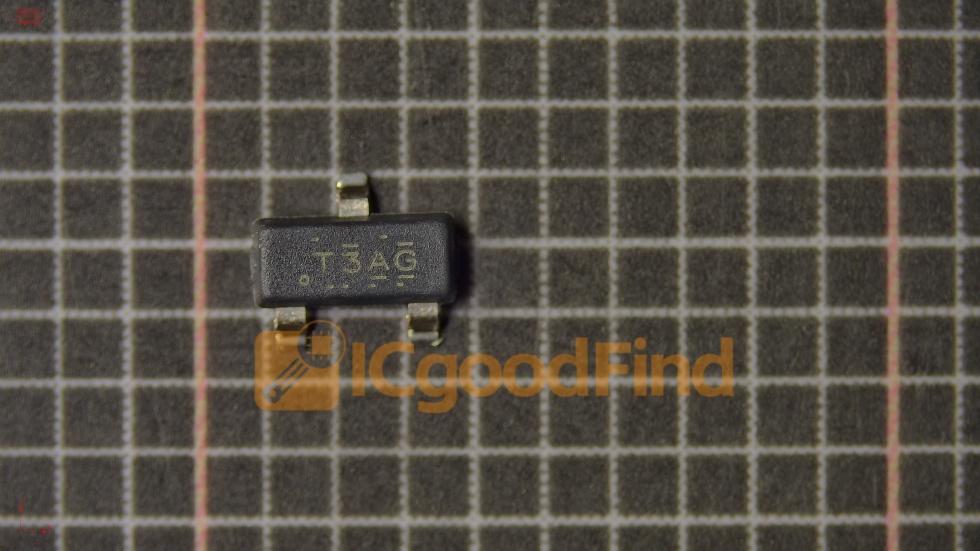
Part 1: Understanding High Stability ICs and Their Role in Industrial PCBA
1.1 What Defines a High Stability IC?
A high stability IC is designed to maintain precise electrical characteristics—such as voltage regulation, frequency output, or signal integrity—over a wide range of operating conditions. Unlike standard consumer-grade ICs, industrial-grade components must withstand extreme temperatures (typically -40°C to +125°C), high humidity, vibration, and electromagnetic interference (EMI). Key parameters include:
- Low temperature drift: Minimal change in performance with temperature shifts.
- High noise immunity: Ability to reject external electrical noise.
- Long-term reliability: Consistent operation over thousands of hours without degradation.
- Wide input voltage tolerance: Stable output even when supply voltage fluctuates.
For industrial PCBA boards, these characteristics are non-negotiable. A single unstable IC can cause system failures, production downtime, or even safety hazards in critical applications like medical devices or automotive control units.
1.2 Why Stability Matters in Industrial Environments
Industrial environments are notoriously harsh. Factories, power plants, and outdoor installations expose PCBA boards to thermal cycling, dust, moisture, and electrical surges. A high stability IC ensures:
- Accurate data acquisition in sensor interfaces.
- Reliable power management for motors and actuators.
- Consistent communication in industrial networks (e.g., CAN bus, Modbus).
- Extended product lifespan, reducing maintenance costs.
For example, in a programmable logic controller (PLC), a voltage reference IC with high stability guarantees that analog-to-digital conversions remain accurate, preventing errors in automated processes. Similarly, in a motor drive, a stable clock IC ensures precise PWM (Pulse Width Modulation) signals, optimizing energy efficiency.
1.3 Common Types of High Stability ICs for Industrial PCBA
Several IC categories are specifically engineered for stability:
- Voltage References: Provide a stable reference voltage for ADCs and DACs.
- Oscillators and Clock Generators: Deliver precise timing signals.
- Operational Amplifiers: Maintain linearity over temperature.
- Power Management ICs (PMICs): Regulate voltage with low ripple.
- Interface ICs: Ensure robust data transmission (e.g., RS-485, CAN transceivers).
Each type plays a unique role, but all share the common goal of minimizing performance variation under stress. When sourcing these components, engineers often turn to specialized distributors like ICGOODFIND, which offers a curated selection of industrial-grade ICs with verified datasheets and traceability.
Part 2: Selecting and Integrating High Stability ICs for Industrial PCBA
2.1 Key Selection Criteria
Choosing the right high stability IC for industrial PCBA board requires a systematic approach. Here are the critical factors:
- Operating Temperature Range: Ensure the IC is rated for the specific environment (e.g., -40°C to +125°C for automotive, -20°C to +85°C for general industrial).
- Temperature Coefficient (Tempco): Look for low ppm/°C values (e.g., ppm/°C for voltage references).
- Long-Term Drift: Check datasheet for stability over 1,000 or 10,000 hours.
- Package Type: Industrial-grade packages (e.g., SOIC, QFN with exposed pads) offer better thermal dissipation.
- Certifications: AEC-Q100 (automotive), MIL-STD-883 (military), or IPC-2221 (industrial) compliance.
- Supply Chain Reliability: Availability and lead times matter—especially for long production runs.
For instance, a precision voltage reference like the LT6657 from Analog Devices offers 2 ppm/°C drift and operates from -40°C to +125°C, making it ideal for industrial data acquisition systems. Similarly, Texas Instruments’ LM4040 series provides low drift and high accuracy for cost-sensitive applications.
2.2 Design Considerations for PCBA Integration
Integrating a high stability IC into a PCBA board requires careful layout and thermal management:
- Decoupling Capacitors: Place ceramic capacitors close to the IC’s power pins to filter high-frequency noise.
- Thermal Vias: Use vias under the IC’s thermal pad to dissipate heat to the ground plane.
- Isolation: Separate analog and digital grounds to prevent noise coupling.
- PCB Material: Use FR-4 with high Tg (glass transition temperature) for better thermal stability.
- Soldering Profile: Follow the IC manufacturer’s reflow profile to avoid thermal stress.
A common mistake is using standard consumer-grade ICs in industrial designs. For example, a general-purpose op-amp may work at 25°C but drift significantly at 85°C, causing system errors. By selecting a high stability IC and following best practices, engineers can achieve reliable performance even in the most demanding applications.
2.3 Sourcing High Stability ICs: The Role of ICGOODFIND
Finding genuine, high-quality ICs is a challenge in today’s global market. Counterfeit components, obsolete parts, and long lead times can derail projects. This is where ICGOODFIND becomes an invaluable resource. As a specialized platform for electronic components, ICGOODFIND offers:
- Verified Suppliers: All components are sourced from authorized distributors or manufacturers.
- Detailed Datasheets: Access to technical specifications, including stability parameters.
- Cross-Reference Tools: Compare similar ICs from different brands.
- Real-Time Inventory: Check stock levels and lead times instantly.
- Bulk Pricing: Competitive rates for industrial quantities.
For example, if you need a high stability voltage reference for a PCBA board, ICGOODFIND allows you to filter by temperature range, drift, and package type. You can also read user reviews and check compliance certifications. This transparency helps engineers make informed decisions, reducing the risk of component failure in the field.
Part 3: Future Trends and Challenges in High Stability ICs
3.1 Emerging Technologies
The demand for high stability IC for industrial PCBA board is driving innovation in several areas:
- Silicon Carbide (SiC) and Gallium Nitride (GaN): These wide-bandgap semiconductors offer higher temperature tolerance and lower drift, ideal for power electronics in industrial drives and inverters.
- Integrated Temperature Compensation: New ICs incorporate on-chip temperature sensors and calibration circuits to automatically adjust for drift.
- MEMS-Based Oscillators: Replace traditional quartz crystals with more stable, shock-resistant MEMS devices.
- AI-Optimized ICs: Machine learning algorithms can predict and compensate for drift in real-time, enhancing stability.
For instance, SiC MOSFETs from companies like Wolfspeed and STMicroelectronics are now used in industrial power supplies, offering stable switching performance at temperatures above 200°C. Similarly, MEMS oscillators from SiTime provide ±10 ppm stability over -40°C to +105°C, outperforming many quartz-based solutions.
3.2 Challenges in the Industrial Sector
Despite advancements, several challenges persist:
- Cost vs. Performance: High stability ICs are often more expensive, requiring careful cost-benefit analysis.
- Miniaturization: Smaller packages (e.g., 0201, BGA) make thermal management more difficult.
- Supply Chain Volatility: Global shortages of raw materials and manufacturing capacity can disrupt availability.
- Testing and Validation: Ensuring stability over the entire operating range requires extensive testing, which adds time and cost.
To mitigate these challenges, engineers are increasingly adopting design-for-reliability (DfR) practices, such as derating components and using redundancy. Additionally, platforms like ICGOODFIND help by providing real-time market intelligence on pricing and availability, enabling proactive sourcing.
3.3 The Importance of Collaboration
Achieving high stability in industrial PCBA boards is not a solo effort. It requires collaboration between:
- IC Manufacturers: To provide accurate datasheets and application notes.
- PCB Designers: To optimize layout for thermal and electrical performance.
- Sourcing Teams: To ensure genuine components and timely delivery.
- End Users: To define realistic operating conditions and reliability targets.
For example, a power management IC designed for a solar inverter must be tested under actual field conditions—high temperature, humidity, and voltage spikes. By working closely with suppliers and using platforms like ICGOODFIND to access technical support, engineers can accelerate development and reduce risks.

Conclusion
In the world of industrial electronics, high stability IC for industrial PCBA board is not just a specification—it is a necessity. From voltage references to clock generators, these components ensure that systems operate reliably under extreme conditions, minimizing downtime and maximizing productivity. Selecting the right IC requires careful evaluation of temperature range, drift, and certifications, while integration demands attention to layout and thermal management. As technology evolves, innovations like SiC, MEMS, and AI-driven compensation will further enhance stability, but challenges such as cost and supply chain volatility remain.
For engineers and manufacturers, the key to success lies in partnering with trusted sources. Platforms like ICGOODFIND simplify the sourcing process by offering verified components, detailed technical data, and competitive pricing. Whether you are designing a new industrial controller or upgrading an existing system, investing in high stability ICs is an investment in reliability. By prioritizing stability, you not only improve product performance but also build trust with customers—a critical advantage in today’s competitive market.







