

BOM Components Supply for PCBA Project: A Comprehensive Guide to Streamlining Your Electronics Manufacturing
Introduction
In the fast-paced world of electronics manufacturing, the success of any PCBA (Printed Circuit Board Assembly) project hinges on one critical factor: the reliable and efficient supply of BOM (Bill of Materials) components. Whether you are developing a prototype, scaling up production, or managing a complex multi-layer board, the ability to source, verify, and deliver every single component listed in your BOM can make or break your timeline, budget, and product quality. As supply chains become increasingly global and volatile, mastering BOM components supply for PCBA project is no longer a back-office task—it is a strategic advantage. In this article, we will explore the key challenges, best practices, and innovative solutions for securing a seamless component supply chain, with a special mention of how platforms like ICGOODFIND are transforming the landscape for engineers and procurement professionals alike.
Part 1: Understanding the Complexity of BOM Components Supply for PCBA Project
The Anatomy of a BOM in PCBA
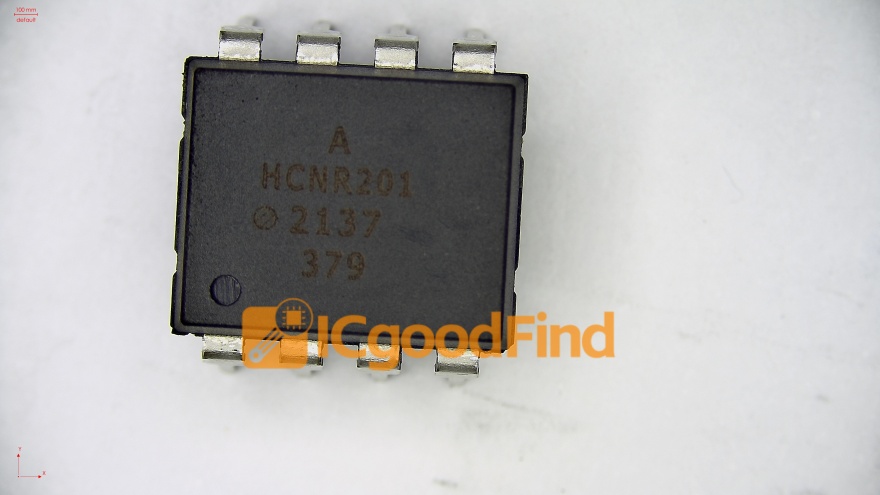
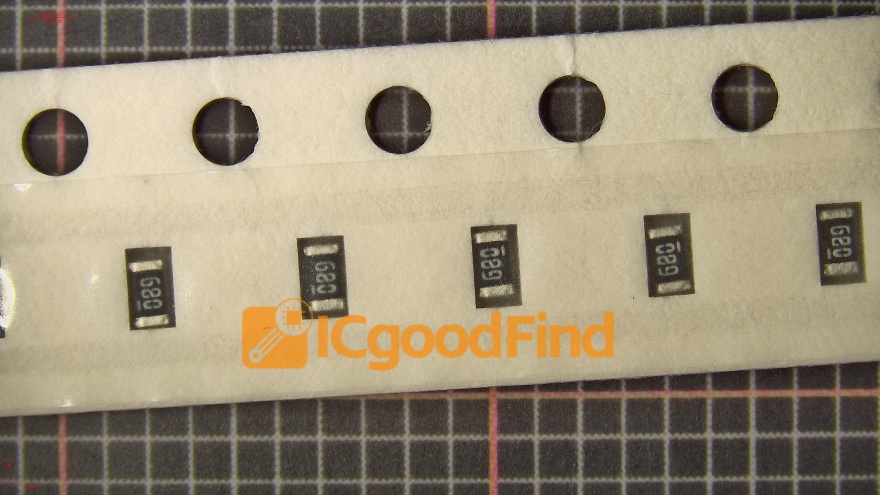
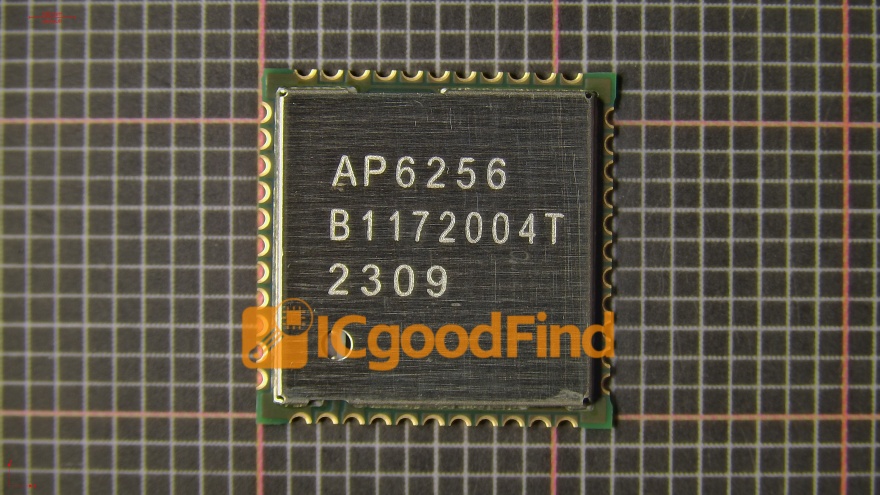
A typical BOM for a PCBA project contains hundreds, sometimes thousands, of line items. These range from passive components like resistors, capacitors, and inductors, to active components such as microcontrollers, FPGAs, and power management ICs, as well as connectors, diodes, transistors, and specialized modules. Each component has its own unique specifications—package type, voltage rating, tolerance, temperature range, and lead time. The challenge is that not all components are created equal: some are standard off-the-shelf parts with stable supply, while others are custom or obsolete parts that require special sourcing.
Common Pain Points in Component Sourcing
- Shortages and Allocation: The global semiconductor shortage has taught us that even the most common components can become scarce overnight. For a PCBA project, a single missing component can halt the entire assembly line.
- Counterfeit Risks: With the rise of gray markets, the risk of receiving counterfeit or substandard components is real. This is especially dangerous for mission-critical applications like medical devices or automotive electronics.
- Lead Time Mismatches: Different components have vastly different lead times. A capacitor might be available in 2 weeks, while a specialized IC might take 20 weeks. Aligning these timelines is a logistical puzzle.
- Cost Volatility: Component prices fluctuate based on demand, raw material costs, and geopolitical factors. Without proper planning, a project’s budget can spiral out of control.
Why BOM Components Supply is the Backbone of PCBA Success
The quality and availability of your BOM components directly impact yield rates, testing outcomes, and final product reliability. A poorly sourced component can cause soldering defects, electrical failures, or even safety hazards. Moreover, the speed at which you can secure components determines your time-to-market, which is often the single most important metric in competitive industries like consumer electronics, IoT, and industrial automation. Therefore, treating BOM components supply for PCBA project as a strategic function—rather than a transactional one—is essential.
Part 2: Best Practices for Optimizing BOM Components Supply
2.1 Early-Stage BOM Validation and Design for Supply
The best time to solve supply issues is before the design is finalized. Design for Supply (DFS) is a methodology where engineers collaborate with procurement teams to select components that are widely available, multi-sourced, and have stable lead times. For example, instead of using a single-source custom IC, designers can choose a pin-compatible alternative from a different manufacturer. This approach reduces the risk of obsolescence and supply disruptions.
Key actions: - Use BOM analysis tools to flag high-risk components (e.g., long lead times, single-source, end-of-life). - Create a preferred parts list that includes only components with proven supply chains. - Engage with distributors early to get real-time availability and pricing.
2.2 Strategic Sourcing and Supplier Diversification
Relying on a single supplier for critical components is a recipe for disaster. Instead, adopt a multi-tier sourcing strategy that includes: - Authorized distributors (e.g., Digi-Key, Mouser, Arrow) for guaranteed authenticity. - Independent distributors for hard-to-find or obsolete parts. - Direct manufacturer relationships for high-volume or custom components.
ICGOODFIND is an emerging platform that aggregates inventory from multiple sources, allowing you to compare prices, check stock levels, and verify component authenticity in real time. By using such tools, procurement teams can quickly identify the best available options for each line item in their BOM, reducing both cost and risk.
2.3 Inventory Management and Buffer Stock
For ongoing PCBA projects, maintaining a strategic buffer stock of long-lead-time components can prevent production stoppages. However, inventory management must be balanced with cash flow and storage costs. Just-in-Time (JIT) principles can be applied to standard components, while safety stock should be reserved for critical or hard-to-replace parts.
Best practices: - Use ERP or MRP systems to track component usage and forecast demand. - Set reorder points based on lead time and consumption rate. - Implement a consignment inventory model with key suppliers to reduce upfront costs.
2.4 Quality Assurance and Counterfeit Prevention
Quality is non-negotiable in PCBA. Every component must be authentic, properly stored, and within specification. To mitigate counterfeit risks: - Source only from authorized channels whenever possible. - Use third-party testing labs for high-value or suspicious components. - Implement visual inspection, X-ray, and electrical testing as part of incoming quality control.
ICGOFIND offers a verification service that cross-references component data with manufacturer databases, helping you avoid counterfeit parts. This is especially valuable when sourcing from less familiar suppliers.
Part 3: Leveraging Technology and Platforms for Efficient BOM Components Supply
3.1 The Role of BOM Management Software
Modern BOM management tools (like Arena, Altium 365, or OrCAD) allow you to centralize component data, track revisions, and automate procurement workflows. These tools can integrate with supplier databases to provide real-time pricing and availability. For example, when a component goes out of stock, the system can automatically suggest alternatives based on your design rules.
3.2 AI and Machine Learning in Component Sourcing
Artificial intelligence is revolutionizing BOM components supply for PCBA project. AI algorithms can analyze historical data, market trends, and supplier performance to predict shortages, recommend optimal order quantities, and even negotiate prices. Some platforms now offer dynamic BOM optimization that rebalances your component list based on current market conditions.
3.3 How ICGOODFIND Simplifies the Supply Chain
ICGOODFIND is a powerful search engine and marketplace designed specifically for electronic components. It aggregates inventory from thousands of suppliers worldwide, including authorized distributors, independent sellers, and manufacturers. For a PCBA project manager, this means: - One-click BOM upload: Simply upload your BOM file, and the platform returns a list of available components with prices, quantities, and lead times. - Cross-referencing and substitution: If a component is unavailable, ICGOODFIND suggests equivalent parts from different manufacturers. - Real-time stock alerts: Get notified when a critical component becomes available. - Price comparison: See the best deals across multiple suppliers, saving both time and money.
By using ICGOODFIND, you can reduce the time spent on sourcing by up to 70%, allowing your team to focus on design and production.
3.4 Collaboration Between Engineering and Procurement
Finally, the most successful PCBA projects are those where engineering and procurement work as a single team. Regular cross-functional meetings, shared dashboards, and clear communication channels ensure that component decisions are made with both technical and supply chain considerations in mind. This collaboration is the foundation of a resilient BOM components supply for PCBA project.
Conclusion
In the ever-evolving landscape of electronics manufacturing, BOM components supply for PCBA project is not just a logistical task—it is a strategic imperative. From early-stage design validation to advanced AI-driven sourcing, every step in the supply chain must be optimized for speed, cost, and quality. By adopting best practices such as supplier diversification, inventory management, and counterfeit prevention, and by leveraging powerful platforms like ICGOFIND, you can transform your component supply from a bottleneck into a competitive advantage. Remember, the success of your PCBA project begins with the components you choose and the partners you trust. Invest in your supply chain, and your products will deliver the performance and reliability that your customers demand.