


Hardware Solution Design Full Set Components: A Comprehensive Guide to Streamlined Product Development
Introduction
In today’s fast-paced electronics industry, the demand for reliable, scalable, and cost-effective hardware solutions has never been higher. Whether you are developing a consumer gadget, an industrial control system, or an IoT device, the concept of hardware solution design full set components is critical to success. This approach involves integrating all necessary hardware elements—from microcontrollers and power management ICs to connectors, sensors, and enclosures—into a cohesive, ready-to-manufacture system. At ICGOODFIND, we understand that a well-structured full-set component strategy not only accelerates time-to-market but also reduces design risks and overall costs. In this article, we will explore the three core pillars of hardware solution design: component selection and integration, design for manufacturability (DFM), and testing and validation. By the end, you will have a clear roadmap for building robust hardware solutions that stand the test of real-world deployment.
Part 1: Component Selection and Integration – The Foundation of a Full Set
The first and most crucial step in any hardware solution design full set components project is selecting the right components. This is not merely about picking parts with the highest specifications; it is about balancing performance, cost, availability, and long-term support. A full set typically includes:
- Core processing units (MCUs, MPUs, FPGAs)
- Power management ICs (PMICs, LDOs, DC-DC converters)
- Memory (Flash, DRAM, EEPROM)
- Connectivity modules (Wi-Fi, Bluetooth, LoRa, Ethernet)
- Sensors (temperature, pressure, motion, optical)
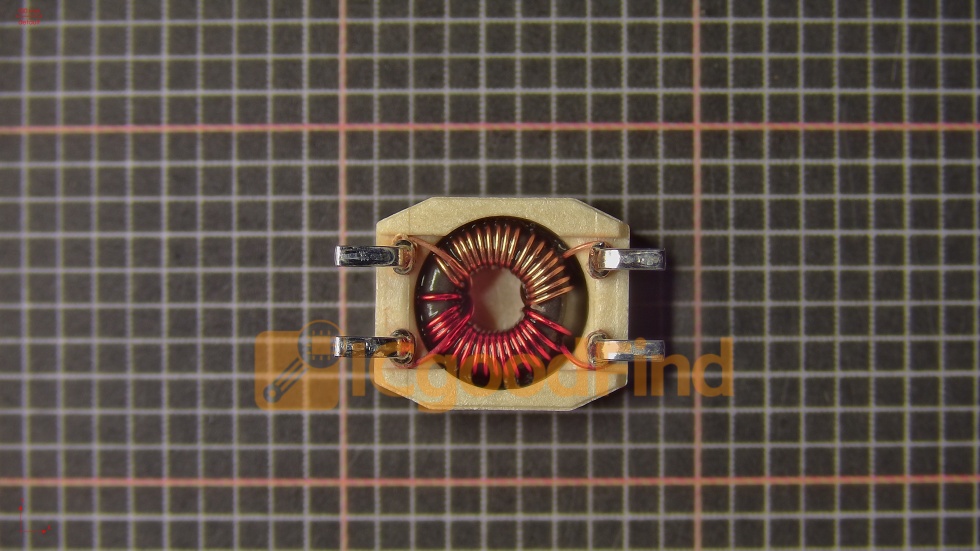
- Passive components (resistors, capacitors, inductors)
- Connectors and interfaces (USB, HDMI, GPIO headers)
- Mechanical parts (enclosures, heat sinks, mounting hardware)
Why a full-set approach matters: When you source all components as a coordinated set, you eliminate compatibility issues that often arise when mixing parts from different vendors. For example, a specific PMIC may require a particular inductor value that is not commonly stocked, causing delays. By working with a partner like ICGOODFIND, you can access pre-validated component bundles that have been tested for electrical and thermal compatibility. This reduces the need for multiple design iterations.
Key considerations during selection: - Lifecycle status: Avoid end-of-life (EOL) components. Always check the manufacturer’s longevity roadmap. - Supply chain stability: Choose components with multiple sourcing options or second-source equivalents. - Thermal and power constraints: Ensure that the full set operates within the intended temperature range and power budget. - Regulatory compliance: Components must meet RoHS, REACH, and other regional standards.
Integration best practices: - Use a common footprint library for PCB layout to minimize routing errors. - Implement decoupling capacitors close to each IC’s power pins to reduce noise. - Plan for test points on the PCB to facilitate debugging and production testing.
A well-integrated full set of components acts as a single, optimized system rather than a collection of individual parts. This holistic view is what separates successful hardware projects from those that stall in the prototyping phase.
Part 2: Design for Manufacturability (DFM) – Turning a Full Set into a Production-Ready Solution
Once the component set is defined, the next challenge is to ensure that the design can be manufactured at scale without costly modifications. Design for Manufacturability (DFM) is the discipline of optimizing a hardware design for the capabilities and constraints of the production line. For a hardware solution design full set components, DFM involves several critical aspects:
2.1 PCB Layout and Stack-Up
- Layer count: Use the minimum number of layers required to route all signals while maintaining signal integrity. A 4-layer board is often sufficient for moderate complexity, but high-speed designs may require 6 or 8 layers.
- Trace width and spacing: Follow the manufacturer’s design rules for minimum trace width and clearance. For power traces, use wider traces to reduce resistance and heat.
- Via types: Prefer through-hole vias for reliability, but use microvias for high-density designs. Ensure that via sizes are compatible with the assembly process.
2.2 Component Placement
- Group related components (e.g., power supply circuits) together to minimize trace length and noise.
- Keep sensitive analog components away from high-speed digital traces.
- Provide adequate clearance around connectors and mechanical parts for assembly tools.
2.3 Solderability and Assembly
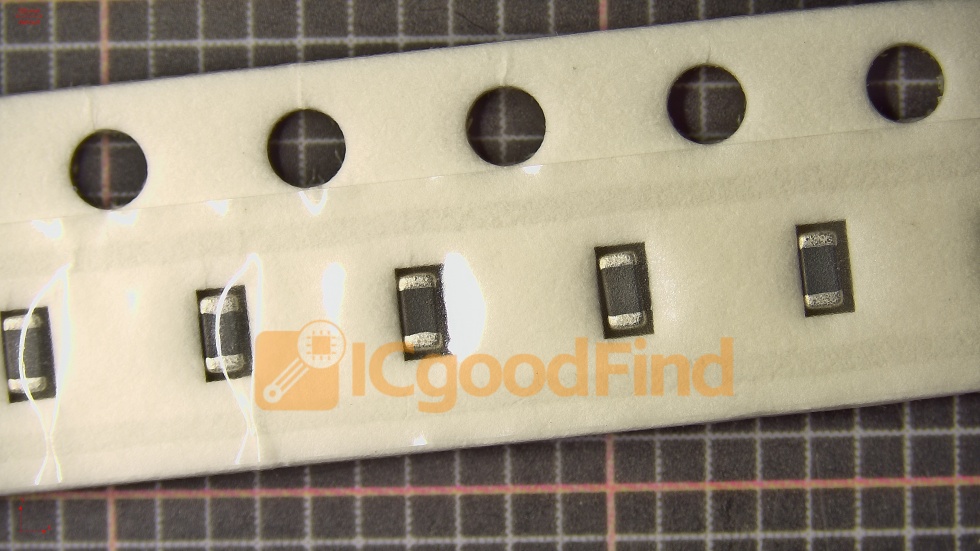
- Use standard package sizes (e.g., 0402, 0603, SOIC) that are easy to handle by pick-and-place machines.
- Avoid tombstoning by ensuring symmetrical pad sizes for small passive components.
- Add fiducial marks on the PCB for accurate alignment during assembly.
2.4 Thermal Management
- Include thermal vias under power components to dissipate heat to inner or bottom layers.
- Use copper pours for heat spreading, especially around high-current traces.
- Select heatsinks that match the component’s thermal resistance and the enclosure’s airflow.
2.5 Testing and Debugging
- Add test pads for critical signals (power rails, clock lines, communication buses).
- Include a JTAG or SWD header for firmware programming and debugging.
- Design for bed-of-nails testing by placing test points on the bottom side of the PCB.
Why DFM is non-negotiable: A design that ignores DFM may work perfectly in a lab but fail in production due to soldering defects, thermal stress, or assembly errors. By collaborating with ICGOODFIND during the DFM review, you can identify potential issues early—such as component clearance conflicts or inadequate pad sizes—and correct them before the design goes to fabrication. This saves weeks of rework and thousands of dollars in wasted prototypes.
Real-world example: A recent project involved a full set of components for a smart thermostat. The initial design used a 0.5mm pitch BGA package for the main MCU, which required a 6-layer board and specialized assembly equipment. After a DFM review, the team switched to a 0.8mm pitch QFP package, reducing the board to 4 layers and cutting assembly costs by 30%. The full set was re-validated, and the product launched on schedule.
Part 3: Testing and Validation – Ensuring the Full Set Performs Under Real Conditions
The final pillar of a successful hardware solution design full set components strategy is rigorous testing and validation. No matter how well the components are selected or how carefully the design is optimized for manufacturing, the product must be proven to work reliably in its intended environment. Testing should cover three main areas:
3.1 Functional Testing
- Power-on self-test (POST): Verify that all voltage rails are within specification and that the main processor boots correctly.
- Peripheral testing: Check each sensor, communication interface, and output driver individually.
- Firmware integration: Run the complete firmware stack to ensure that hardware and software interact as expected.
3.2 Environmental Testing
- Temperature cycling: Expose the full set to extreme hot and cold temperatures (e.g., -40°C to +85°C) to detect solder joint failures, component drift, or thermal runaway.
- Humidity and moisture: Test for condensation and corrosion, especially for outdoor or industrial applications.
- Vibration and shock: Simulate transportation and operational stresses to ensure mechanical integrity.
3.3 Electromagnetic Compatibility (EMC) Testing
- Radiated and conducted emissions: Ensure that the full set does not interfere with other electronic devices.
- Immunity: Verify that the product can withstand external electromagnetic fields, electrostatic discharge (ESD), and fast transients.
Validation best practices: - Create a test plan early in the design phase, specifying pass/fail criteria for each test. - Use automated test equipment (ATE) for high-volume production testing to ensure consistency. - Document all test results and correlate them with design changes to build a knowledge base for future projects.
The role of ICGOODFIND in testing: As a trusted partner, ICGOODFIND offers pre-validated component sets that have already undergone basic electrical and thermal characterization. This means you start with a known-good foundation, reducing the number of unknowns during your own validation. Additionally, we provide access to reference designs and application notes that highlight common pitfalls and solutions for specific component combinations.
Case in point: A medical device company developing a portable patient monitor used a full set of components from ICGOODFIND, including a low-power MCU, a high-precision ADC, and a Bluetooth module. During environmental testing, the ADC showed drift at high humidity. By reviewing the component datasheets and application notes, the team identified that the ADC’s reference voltage was sensitive to moisture. A conformal coating was added to the PCB, and the issue was resolved without changing the component set. The product passed all regulatory tests and entered production on time.
Conclusion
Designing a successful electronic product requires more than just a list of parts—it demands a holistic approach to hardware solution design full set components. From the initial selection of compatible, lifecycle-managed components to the meticulous optimization for manufacturability and the rigorous validation of real-world performance, every step must be executed with precision. The benefits of this approach are clear: faster time-to-market, lower development costs, higher production yields, and fewer field failures.
At ICGOODFIND, we are committed to helping engineers and product managers navigate this complex landscape. Our curated component sets, DFM support, and validation resources are designed to turn your hardware vision into a reliable, scalable reality. Whether you are building a prototype or ramping up to mass production, remember that the strength of your final product lies in the quality of its full set of components.
Start your next project with confidence. Choose a full-set strategy. Choose ICGOODFIND.