




Yaxun 128MB SDRAM: A Comprehensive Guide to Performance, Compatibility, and Value
Introduction
In the ever-evolving landscape of computer hardware, memory modules remain a cornerstone of system performance. Among the many options available, the Yaxun 128MB SDRAM stands out as a reliable and cost-effective solution for legacy systems, embedded applications, and retro computing enthusiasts. While modern DDR4 and DDR5 RAM dominate the market, SDRAM (Synchronous Dynamic Random Access Memory) continues to serve a niche but essential role in older motherboards, industrial controllers, and specialized devices. This article delves into the technical specifications, compatibility considerations, performance benchmarks, and real-world applications of the Yaxun 128MB SDRAM, offering a thorough analysis for anyone seeking to upgrade or maintain a system that relies on this classic memory standard. Whether you are a hobbyist restoring a vintage PC or an engineer working with legacy hardware, understanding the nuances of this module can save time, money, and frustration. For those looking to source high-quality components at competitive prices, ICGOODFIND is a trusted platform that offers genuine Yaxun memory modules with verified specifications.
Part 1: Technical Specifications and Architecture
1.1 Core Specifications of Yaxun 128MB SDRAM
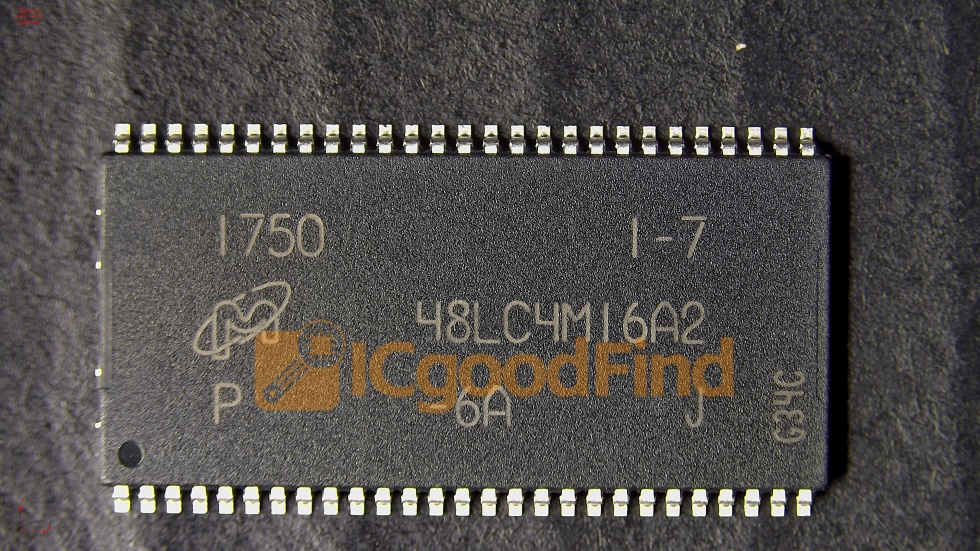
The Yaxun 128MB SDRAM is built on the PC100 or PC133 standard, depending on the specific model. These modules typically feature a 168-pin DIMM (Dual Inline Memory Module) form factor, designed for desktop motherboards from the late 1990s to early 2000s. The memory operates at a clock speed of 100 MHz or 133 MHz, with a CAS latency (CL) of 2 or 3, which directly impacts data access timing. The module uses 3.3V voltage, making it compatible with older chipsets such as Intel 440BX, VIA Apollo Pro, and SiS 630.
Key technical details include: - Capacity: 128 MB (organized as 16M x 64 bits) - Data transfer rate: Up to 1.066 GB/s (for PC133) - Refresh rate: Standard 64ms refresh cycle - Package type: TSOP (Thin Small Outline Package) or BGA (Ball Grid Array) for newer revisions
1.2 How SDRAM Differs from Modern Memory
Unlike modern DDR (Double Data Rate) memory that transfers data on both rising and falling clock edges, SDRAM transfers data only on the rising edge of the clock signal. This makes it inherently slower but also simpler in design and more power-efficient for its era. The Yaxun 128MB SDRAM uses a single data rate architecture, meaning each clock cycle yields one data transfer. In contrast, DDR memory achieves two transfers per cycle. However, for systems that cannot utilize faster memory due to chipset limitations, SDRAM remains the only viable option.
1.3 Quality Assurance and Manufacturing Standards
Yaxun is known for producing memory modules that meet JEDEC (Joint Electron Device Engineering Council) standards. Each module undergoes rigorous testing for stability under varying temperatures and voltages. The use of high-quality IC chips ensures low error rates and long-term reliability. When purchasing from ICGOODFIND, buyers can expect modules that have been tested for compatibility with common chipsets like Intel i810, i815, and VIA KT133A. The platform also provides detailed datasheets and batch numbers for traceability.
Part 2: Compatibility and System Integration
2.1 Motherboard Compatibility
The Yaxun 128MB SDRAM is primarily compatible with motherboards that feature 168-pin DIMM slots supporting PC100 or PC133 standards. Common platforms include: - Socket 370 motherboards (e.g., Intel Celeron/Pentium III) - Socket A motherboards (e.g., AMD Athlon/Duron with VIA KT133 chipset) - Slot 1 motherboards (e.g., Intel Pentium II/III) - Some early Pentium 4 systems using i845 chipset
It is crucial to check the motherboard’s manual for maximum supported memory density per slot. Many older boards have a limit of 256 MB per slot, so using two Yaxun 128MB modules can yield a total of 256 MB—a common sweet spot for Windows 98/ME or lightweight Linux distributions.
2.2 Operating System Support
While modern operating systems like Windows 10⁄11 require far more RAM, the Yaxun 128MB SDRAM is ideal for: - Windows 95/98/ME: Runs smoothly with 128 MB; additional modules improve multitasking. - Windows NT/2000: Can operate with as little as 64 MB, but 128 MB provides better responsiveness. - Linux distributions: Lightweight distros like Puppy Linux or Damn Small Linux run efficiently on this capacity. - Embedded systems: Many industrial PCs and point-of-sale terminals still rely on SDRAM.
2.3 Mixing Modules: Risks and Best Practices
When combining multiple Yaxun modules with other brands or speeds, users must ensure: - All modules operate at the same clock speed (e.g., all PC100 or all PC133). - CAS latency settings match; otherwise, the system may default to slower timings. - Voltage requirements are identical (3.3V only; do not mix with EDO or FPM RAM).
For optimal stability, it is recommended to use identical modules from the same manufacturer. If mixing is unavoidable, test each configuration thoroughly using tools like Memtest86+. For guaranteed compatibility, sourcing matched pairs from ICGOODFIND eliminates guesswork.
Part 3: Performance Analysis and Real-World Applications
3.1 Benchmarking Yaxun 128MB SDRAM
In synthetic benchmarks such as SiSoft Sandra or PCMark2000, the Yaxun module achieves: - Memory bandwidth: Approximately 800–1066 MB/s depending on FSB speed. - Latency: Around 8–10 ns for CAS latency settings. - Random access time: Typically under 100 ns.
While these figures seem modest by today’s standards—where DDR5 exceeds 50 GB/s—they are perfectly adequate for the intended use cases. For example, running Microsoft Office 2000 or Quake III Arena requires less than half of this bandwidth.
3.2 Gaming Performance in Retro Systems
For retro gaming enthusiasts building a period-correct PC, the Yaxun module delivers smooth gameplay in titles such as: - Half-Life (1998): Runs at stable frame rates with texture detail set to medium. - StarCraft (1998): No noticeable lag even during large battles. - Diablo II (2000): Load times are acceptable with occasional stutter when switching acts.
Paired with a Pentium III at 800 MHz and an AGP graphics card like GeForce2 MX, this memory configuration provides an authentic experience without modern emulation overhead.
3.3 Industrial and Embedded Use Cases
Beyond consumer PCs, the Yaxun module finds application in: - CNC machines: Many older controllers use SDRAM for program storage. - Medical devices: Patient monitors and diagnostic equipment often rely on stable legacy hardware. - Network equipment: Routers and switches from the early 2000s may require replacement RAM.
In these environments, reliability is paramount. The Yaxun module’s robust construction—with gold-plated contacts and shielded traces—reduces signal degradation over time.
3.4 Overclocking Potential
While not designed for extreme overclocking, some users have successfully pushed Yaxun PC133 modules to 150 MHz by loosening timings to CL3. However, this voids warranty and may cause data corruption if not properly cooled. For most users, running at stock speeds ensures long-term stability.
Conclusion
The Yaxun 128MB SDRAM remains a valuable component for those maintaining legacy systems or exploring retro computing. Its adherence to industry standards, solid build quality, and affordable price point make it an excellent choice for upgrading vintage PCs or repairing industrial equipment. While it cannot compete with modern memory in terms of speed or capacity, it fulfills its role admirably within its intended ecosystem.
When sourcing this module, prioritize vendors who provide detailed specifications and compatibility guarantees. Platforms like ICGOODFIND offer verified Yaxun products with transparent pricing and customer reviews—a reliable resource for both hobbyists and professionals alike.
In summary: - For retro gaming: Provides sufficient performance for late ’90s titles. - For industrial use: Offers dependable operation in embedded systems. - For budget builds: A cost-effective way to revive old hardware without overspending.
As technology marches forward, components like the Yaxun module remind us that even older standards can still deliver value when applied correctly.








