




The Ultimate Guide to the Smallest MCU Minimum System: Powering the Next Generation of Micro Devices
Introduction
In the relentless march towards miniaturization and efficiency, the quest for the smallest MCU minimum system stands at the forefront of embedded design. A minimum system, or “minimal viable circuit,” is the bare-bones configuration required to power up a microcontroller unit (MCU) and execute basic code. As products shrink from wearable health monitors to disposable smart tags, the engineering challenge shifts from raw processing power to achieving maximal functionality within microscopic footprints and minuscule power budgets. This pursuit is not merely an academic exercise but a critical driver for innovations in IoT, medical implants, and edge computing. This article delves into the core components, design philosophies, and cutting-edge implementations of these ultra-compact systems, exploring how they enable a smarter, more connected, yet invisible technological layer in our world. For engineers and innovators seeking the most advanced components to build such systems, platforms like ICGOODFIND provide invaluable access to a curated global supply of ultra-small MCUs, passives, and supporting ICs, streamlining the journey from concept to ultra-compact reality.
The Core Anatomy of a Tiny MCU Minimum System
Creating a functional smallest MCU minimum system is an exercise in precision and necessity. It revolves around three absolutely essential pillars.
First, the selection of the Microcontroller Unit (MCU) itself is paramount. Modern contenders for the title of “smallest” often come in wafer-level chip-scale packages (WLCSP) or ultra-thin chip-scale packages (UTCSOP), with footprints under 2mm x 2mm. These MCUs, from families like ARM Cortex-M0+ or proprietary ultra-low-power cores, integrate not just the CPU but also crucial peripherals like Flash memory, SRAM, and often oscillators. The trend is toward higher integration to eliminate external parts. Key specifications here are the deeply embedded Flash and RAM, which allow the chip to run standalone, and the internal RC oscillator, which removes the need for an external crystal at startup, saving significant board space.
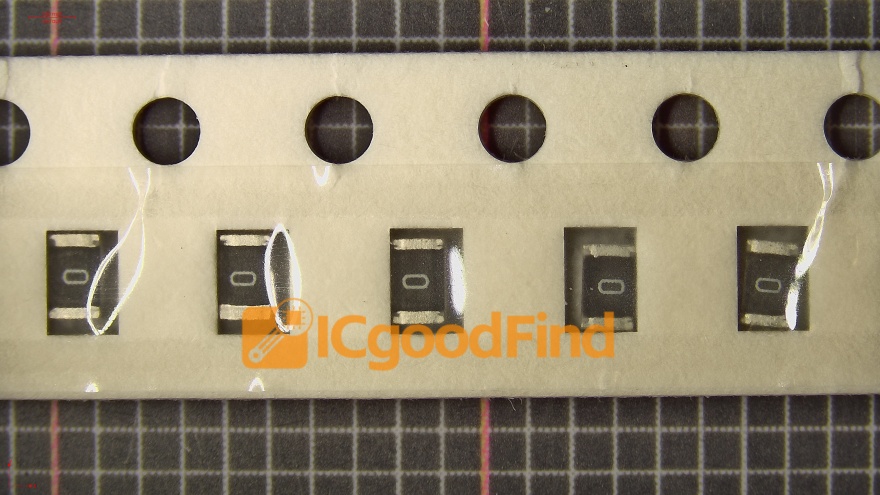
Second, the power supply and management circuit must be exceptionally lean. The goal is to support a wide input voltage range (e.g., from a single coin cell or energy harvester) with minimal dropout and quiescent current. This often involves a minimalist LDO regulator or even direct battery connection if the MCU supports it. Bypass or decoupling capacitors are non-negotiable for stability but are selected in the smallest available packages (e.g., 0201 or 01005). For battery-operated devices, a simple voltage divider for battery monitoring might be the only additional analog circuit. The design ethos is to use as few components as possible, with each chosen for its nano-ampere quiescent current contribution.
Third, the programming and debugging interface presents a unique challenge. While a full JTAG/SWD header is standard in development, the production system must often forego it entirely. Solutions include using a few test points for pogo-pin programming or leveraging bootloader protocols via a single GPIO pin. Some advanced minimum systems incorporate a temporary programming connector that is physically detached after firmware upload. Furthermore, a basic reset circuit—sometimes just a pull-up resistor and a capacitor—and perhaps a single “heartbeat” LED for diagnostics (which is often removed in the final product) complete this spartan setup. The physical PCB layout becomes part of the system design, where every via and trace mill counts toward minimizing the overall footprint.
Design Strategies and Trade-Offs for Maximum Miniaturization
Achieving a truly minimal system requires more than just selecting small parts; it demands a holistic design philosophy that embraces constraints.
Aggressive Component Integration and “Silicon-First” Thinking is the primary strategy. Designers must leverage every feature inside the MCU silicon to eliminate external components. This means using internal clocks instead of external crystals, internal voltage references for ADCs, internal pull-up/pull-down resistors on GPIOs, and on-chip temperature sensors. Communication moves away from legacy protocols like UART (requiring level shifters) to simpler single-wire interfaces or leveraging integrated radio cores (Bluetooth LE, Sub-GHz) for data transfer. The choice of package is also critical; leadless packages enable tighter PCB routing but require more precise assembly processes.
Navigating the Critical Trade-Offs Between Size, Performance, and Flexibility is unavoidable. A smaller package often means fewer GPIO pins, forcing extensive pin multiplexing and limiting simultaneous peripheral use. Ultra-low-power sleep modes are essential for battery life but may complicate timing if relying on slow internal oscillators. The absence of an external crystal can impact communication protocol timing accuracy, making protocols like USB or high-speed UART challenging. Furthermore, reduced Flash/RAM on the smallest MCUs limits application complexity. The designer must make deliberate choices: sacrificing clock accuracy for size, or choosing slightly larger packages that offer more I/O and features.
The Central Role of PCB Layout and Assembly Techniques cannot be overstated. To host the smallest MCU minimum system, PCBs often become high-density interconnect (HDI) designs with multiple layers, micro-vias, and 3⁄3 mil trace/space rules. Components are placed on both sides of the board. Proper grounding and power distribution on a miniature board are challenging yet vital for noise immunity. Assembly requires precision pick-and-place machines capable of handling 01005 components and stringent reflow profiles for WLCSPs. This elevates manufacturing costs but is the price of ultimate miniaturization. Tools and resources from distributors like ICGOODFIND are crucial here, as they provide not only components but also access to vital technical data like footprint models, assembly notes, and supply chain reliability—factors that make or minuscule builds.
Real-World Applications Driving Innovation
The push for the smallest MCU minimum system is fueled by concrete applications where size, weight, and power (SWaP) are existential constraints.
In the Internet of Things (IoT) and Smart Dust, these systems form the computational heart of sensor nodes that monitor environmental data, agricultural conditions, or industrial equipment health. They are designed to be mass-deployed, maintenance-free, and sometimes even biodegradable. A minimum system here might include just an MCU, a temperature/humidity sensor die directly bonded to the board, and a sub-GHz radio transmitter—all powered by a tiny solar cell or RF energy harvesting circuit. Their minimalism directly translates to cost savings at scale and deployment feasibility in inaccessible locations.
The Medical Technology and Implantable Devices field presents perhaps the most demanding requirements. Devices like smart pills (ingestible sensors), continuous glucose monitors (CGMs), and neural implants have strict biocompatibility and size limits. An MCU minimum system in this context prioritizes ultra-low power consumption to extend operational life and robust reliability. It may use specialized low-biasing-current sensors and biocompatible encapsulation that doubles as the PCB substrate. Security is also miniaturized through integrated cryptographic accelerators within the MCU to protect sensitive patient data.
Consumer Electronics: Wearables and Hearables continuously demand smaller form factors with longer battery life. Modern true wireless stereo (TWS) earbuds, smart rings, and micro wearables pack noise cancellation, biometric sensing, and wireless connectivity into spaces smaller than a dime. The minimum system in these products is a marvel of integration: an MCU often coexists with an audio codec and Bluetooth radio in a system-in-package (SiP) or acts as a dedicated sensor hub managing data from multiple micro-electromechanical systems (MEMS). The design focus shifts to sophisticated power management with multiple low-power states synchronized with user interaction patterns.
Conclusion
The engineering pursuit of the smallest MCU minimum system encapsulates a broader trend in technology: doing more with less—less space, less energy, less material. It is a discipline that balances silicon integration prowess with minimalist board-level design and accepts intelligent trade-offs between capability and constraint. From enabling vast IoT networks to making medical implants less invasive and wearables truly unobtrusive, these tiny systems have an outsized impact on our future.
As components continue to shrink and integrate further—with memories growing denser and power management moving into the MCU package itself—the definition of “minimum” will keep evolving. For designers embarking on this path of miniaturization success hinges not only on skill but also on access to reliable information about cutting-edge components sources which platforms like ICGOODFIND effectively facilitate by connecting them with optimal semiconductor solutions in real-time Ultimately mastering this domain means embedding intelligence seamlessly into fabric our lives making technology not just smaller but more meaningful sustainable.