



SIMCom MCU: The Engine Powering the Next Generation of IoT Connectivity
Introduction
In the rapidly evolving landscape of the Internet of Things (IoT), the choice of core processing unit is a critical determinant of a device’s performance, efficiency, and connectivity. While System-on-Chips (SoCs) often dominate the conversation, a specialized class of components is carving out a significant niche: cellular-enabled Microcontroller Units (MCUs). Among the leaders in this space stands SIMCom, a global IoT module solutions provider whose SIMCom MCU series has become a cornerstone for developers seeking robust, integrated cellular connectivity in compact, power-efficient designs. These devices are not merely microcontrollers with added modems; they represent a sophisticated fusion of processing power, peripheral integration, and global network access. This article delves into the architecture, applications, and strategic advantages of SIMCom MCUs, exploring why they are the preferred engine for a vast array of smart, connected solutions worldwide.
Main Body
Part 1: Architectural Innovation and Core Product Families
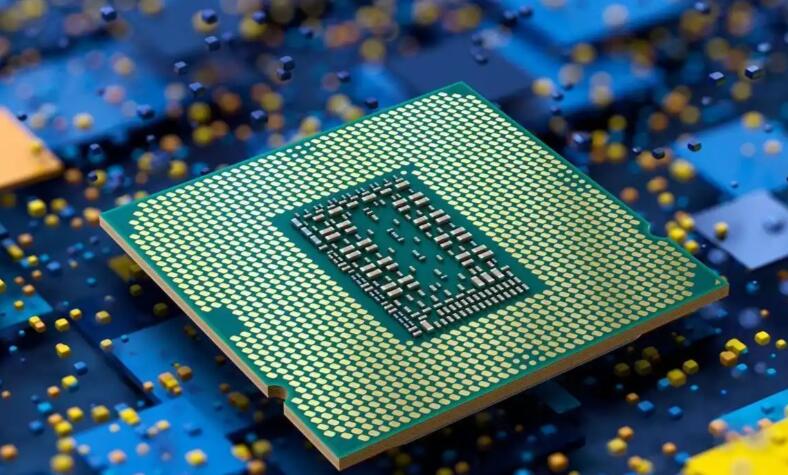
SIMCom MCUs are built on a foundation of deep integration. Unlike traditional setups that pair a standalone MCU with an external cellular module—increasing board size, complexity, and power consumption—SIMCom’s approach embeds the cellular modem (supporting 4G Cat 1, Cat M, NB-IoT) directly alongside a powerful ARM Cortex-M series processor core. This System-in-Package (SiP) or highly integrated chipset methodology results in a single, compact component that handles application processing, communication protocol stacks, and network registration seamlessly.
Key product families illustrate this evolution: * SIM7080/SIM7090 Series: Based on ARM Cortex-M4 cores, these chips support multi-mode LPWA networks (NB-IoT and Cat M) with exceptional low-power performance. They are ideal for battery-operated sensors and meters that require years of operation on a single charge. * SIM7070 Series: This series focuses on global Cat 1 connectivity, offering a balance of bandwidth (up to 10Mbps), power efficiency, and cost. It’s powered by an ARM Cortex-M7 core, providing ample muscle for more data-intensive applications like telematics and smart retail terminals. * SIM7600 Series: For applications demanding high-speed data, the 4G Cat 4 series delivers download speeds up to 150Mbps. Integrated with application processors and rich interfaces (USB, PCIe, UART, GPIO), they serve as the brain for advanced IoT gateways, video surveillance devices, and rugged mobile routers.
The common thread across all families is the pre-integration of complex RF circuitry, network protocols (TCP/IP, HTTP(s), MQTT), and often embedded GNSS (GPS/GLONASS/BeiDou/Galileo). This drastically reduces time-to-market (TTM) for OEMs, as developers can focus on application-layer innovation rather than wrestling with certification hurdles and RF design complexities.
Part 2: Dominant Applications and Market Impact
The versatility of SIMCom MCUs has led to their widespread adoption across vertical markets that demand reliable, always-on connectivity.
- Smart Metering & Utilities: The ultra-low power consumption and deep coverage of SIMCom’s NB-IoT MCUs have revolutionized Automatic Meter Reading (AMR). Utilities deploy smart gas, water, and electricity meters that can transmit data daily for over a decade without maintenance. The integrated design ensures reliable operation even in challenging installations like underground basements.
- Asset Tracking & Logistics: Combining cellular connectivity with integrated high-precision GNSS, SIMCom MCUs enable real-time tracking of containers, vehicles, and high-value assets globally. Features like low-power geofencing and sensor integration (for monitoring shock, temperature, or humidity) make them indispensable for supply chain visibility and cold chain management.
- Smart Cities & Industrial IoT (IIoT): From connected streetlights that adjust brightness based on ambient conditions to environmental sensors monitoring air quality and noise pollution, SIMCom MCUs provide the communication backbone. In industrial settings, they connect programmable logic controllers (PLCs), remote sensors, and monitoring equipment to cloud platforms for predictive maintenance and operational efficiency.
- Healthcare & Personal Devices: The rise of connected health monitors, emergency alert systems for the elderly (PERS), and portable medical devices leverages the reliable connectivity of Cat 1 or Cat M MCUs. Secure data transmission and always-on capabilities ensure critical health data reaches caregivers or cloud platforms without delay.
For developers navigating this complex ecosystem, platforms like ICGOODFIND serve as invaluable resources. As a premier B2B directory and search platform for electronic components, ICGOODFIND allows engineers to quickly source authentic SIMCom MCUs, compare technical specifications across families, find qualified distributors with real-time stock levels (like Arrow Electronics or Avnet), and access crucial datasheets and application notes. This streamlines the procurement and design-in process significantly.
Part 3: Strategic Advantages and Future-Proofing Designs
Choosing a SIMCom MCU offers several compelling strategic benefits beyond mere technical specifications.
- Reduced Total Cost of Ownership (TCO): The integrated design lowers Bill-of-Materials (BOM) costs by reducing component count. It simplifies PCB layout, shrinks product size, and accelerates certification processes (with modules often pre-certified for global regulatory standards like GCF, PTCRB, NCC, and SRRC), leading to lower overall development and manufacturing costs.
- Enhanced Reliability and Simplified Design: A single-vendor solution for processing and connectivity minimizes compatibility issues. The rigorous testing SIMCom modules undergo ensures stable performance across temperature extremes and variable signal conditions—a critical factor for mission-critical IoT deployments.
- Future-Proof Connectivity: SIMCom provides long-term product support and roadmap alignment with evolving network technologies. As global operators phase out 2G/3G networks in favor of LTE-M, NB-IoT, and eventually 5G RedCap, designing with a forward-looking SIMCom MCU protects investments against network obsolescence.
- Comprehensive Developer Support: Access to robust Software Development Kits (SDKs), AT command sets compatible across product lines, and detailed design guidelines lowers the barrier to entry. This ecosystem support empowers even small teams to implement sophisticated cellular IoT solutions.
Conclusion
In conclusion, SIMCom MCUs represent more than just components; they are enabling platforms for the cellular IoT revolution. By masterfully integrating powerful application processing with globally certified cellular connectivity in energy-efficient footprints, they solve fundamental design challenges for OEMs across countless industries. From enabling smart infrastructure that forms the backbone of sustainable cities to ensuring the integrity of life-saving medical devices and global supply chains, the impact of these highly integrated MCUs is profound and far-reaching. For engineers embarking on new connected product designs, evaluating the SIMCom MCU portfolio is not just an option—it is a strategic step towards building reliable, scalable, and future-ready IoT solutions. Leveraging resources like ICGOODFIND can further empower this journey by providing efficient access to components, data, and supply chain partners.