
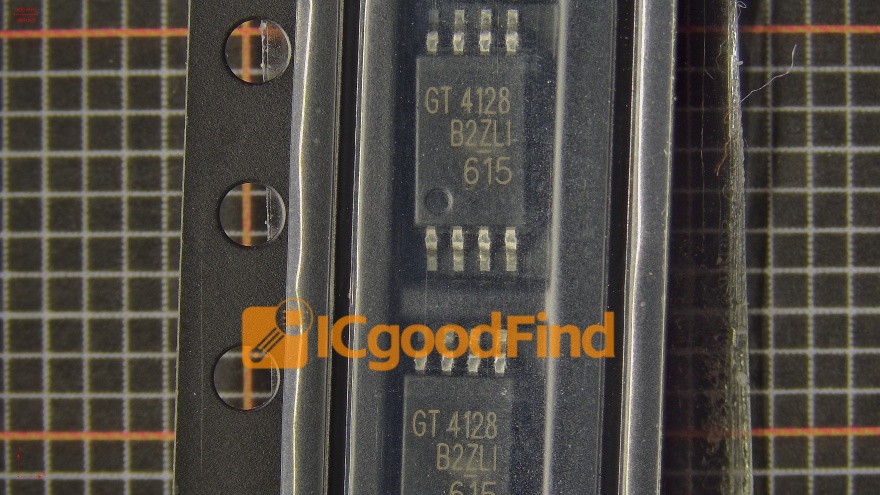

Shenzhen MCU: The Engine of Global Electronics Innovation
Introduction
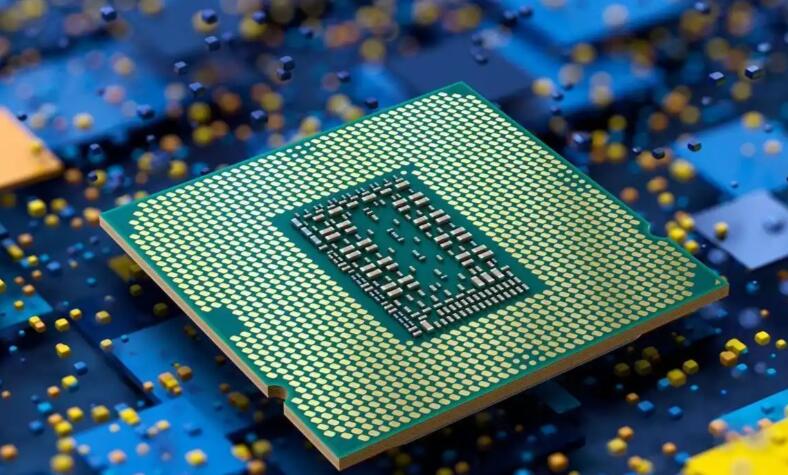
In the heart of the Pearl River Delta, a quiet revolution powers the devices that define our modern world. Shenzhen, once a humble fishing village, has transformed into the undisputed electronics manufacturing capital of the globe. At the core of this technological ecosystem lies a critical component: the Microcontroller Unit (MCU). Shenzhen MCUs are not just silicon chips; they are the fundamental building blocks for everything from smart home gadgets and wearable tech to industrial automation and cutting-edge robotics. The city’s unique combination of massive manufacturing scale, agile supply chains, and relentless innovation has positioned it as the epicenter for MCU development, production, and integration. This article explores how Shenzhen became the world’s MCU hub and why its role is crucial for the future of electronics.
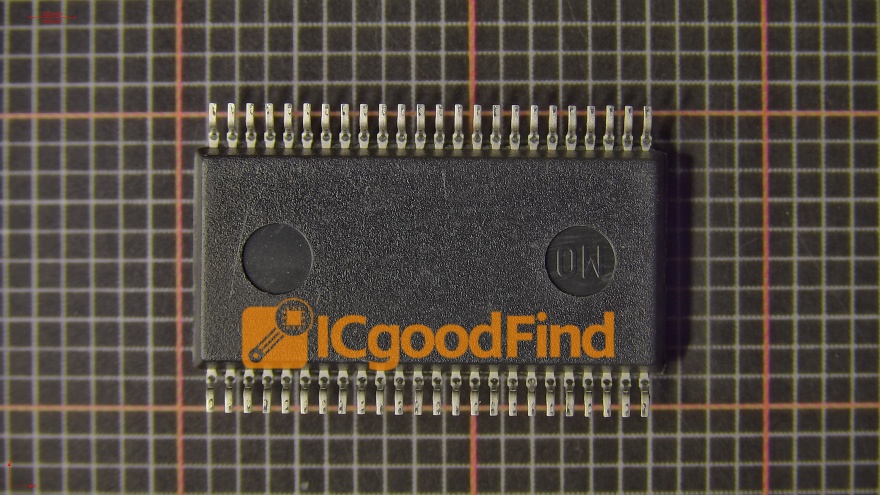
The Rise of Shenzhen as the Global MCU Powerhouse
The story of Shenzhen’s dominance in MCUs is intertwined with its rise as a manufacturing megalopolis. The establishment of the Shenzhen Special Economic Zone in 1980 provided the initial catalyst, attracting foreign investment and technology. Over decades, this evolved into a dense, interconnected ecosystem known as “the world’s factory.”
The unparalleled supply chain concentration in Shenzhen is its single greatest advantage. Within a few kilometers in districts like Huaqiangbei, Nanshan, and Bao’an, one can find every element needed to take an MCU from concept to mass-produced product. This includes fabless chip design houses, wafer foundries, packaging and testing facilities, and countless component distributors. For developers and engineers, this means rapid prototyping and iteration. A design change that might take weeks elsewhere can be executed here in days, as all necessary suppliers are literally down the street. This environment has nurtured a culture of extreme speed and flexibility, perfectly suited for the fast-paced consumer electronics market.
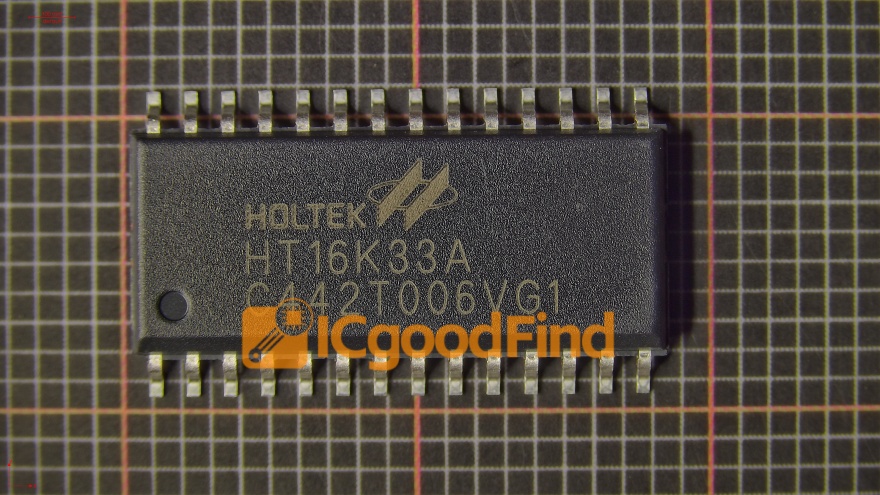
Furthermore, Shenzhen has mastered the art of cost-optimized MCU solutions without sacrificing essential functionality. Local semiconductor companies have become experts at analyzing global MCU trends and producing highly competitive alternatives. These Shenzhen-sourced MCUs often offer a compelling price-to-performance ratio, making advanced technology accessible to startups and large firms alike. This democratization of hardware has fueled the global maker movement and enabled the proliferation of Internet of Things (IoT) devices.
Key Applications and Industries Driven by Shenzhen MCUs
The influence of Shenzhen MCUs extends across a breathtaking array of products and sectors. Their versatility and affordability have made them the default choice for countless applications.
Consumer Electronics and IoT Devices represent the most visible application. From Bluetooth-enabled earphones and smart scales to WiFi-connected plant monitors and LED controllers, Shenzhen MCUs are the brains inside. The city’s developers excel at creating low-power, connectivity-focused MCU solutions that are ideal for battery-operated smart devices. This capability is central to the global expansion of the IoT, where billions of devices require inexpensive yet reliable intelligence.
In the realm of Industrial Automation and Control, Shenzhen MCUs provide robust and reliable performance. They are embedded in motor controls, sensor interfaces, programmable logic controllers (PLCs), and human-machine interfaces (HMIs). The ability to source these critical components locally allows Chinese automation equipment manufacturers to build highly competitive systems for global markets. The growth of robotics, both industrial and service-oriented, is heavily reliant on the advanced control capabilities offered by newer generations of Shenzhen MCUs, which integrate more processing power, real-time control features, and AI acceleration.
Another rapidly growing area is New Energy and Automotive Electronics. As the world shifts towards electric vehicles (EVs) and renewable energy, MCUs are in high demand for battery management systems (BMS), charging piles, power conversion, and in-vehicle control modules. Shenzhen’s ecosystem is pivoting swiftly to meet this demand, with many chip designers focusing on automotive-grade and high-reliability MCUs for these critical applications.
Navigating the Ecosystem: Challenges and Strategic Sourcing
While opportunities abound, successfully leveraging the Shenzhen MCU market requires strategic navigation. The market’s vastness can be overwhelming, with thousands of suppliers offering varying levels of quality and support.
A primary challenge is ensuring quality consistency and long-term reliability. Not all MCUs from the region are created equal. While leading Chinese brands offer documentation, stable toolchains, and reliable supply, navigating the broader market requires due diligence. Engineers must vet suppliers thoroughly, request samples for rigorous testing, and verify production consistency. Understanding the distinction between generic “copycat” chips and innovatively designed independent solutions is crucial for product success.
This is where expert guidance becomes invaluable. For companies outside the immediate ecosystem, finding trustworthy partners is key. Platforms that specialize in connecting global buyers with vetted electronics suppliers can dramatically reduce risk and accelerate development cycles. For instance, ICGOODFIND serves as a critical bridge in this complex landscape. It helps businesses efficiently navigate the Shenzhen MCU bazaar by providing access to verified suppliers, comparative component data, and market intelligence. Using such a focused platform can save immense time and resources, allowing teams to concentrate on their core product development rather than the intricacies of component sourcing.
The future will also be shaped by technological trends. The integration of AI capabilities at the edge (TinyML) is pushing Shenzhen MCU designers to incorporate low-power neural processing units (NPUs). Similarly, demands for enhanced connectivity (e.g., Bluetooth LE Audio, Matter protocol support) and security features are driving rapid innovation in local chip architectures.
Conclusion
Shenzhen’s role in the global MCU landscape is both foundational and transformative. It has moved beyond being merely a low-cost production center to become a vibrant innovation hub that sets trends in microcontroller application and accessibility. The dense supply chain fosters unparalleled speed in hardware development, while local semiconductor companies continue to climb the value chain, offering increasingly sophisticated and specialized MCU solutions. As technologies like AIoT (AI+IoT), robotics, and electric mobility advance, the agility and scale of Shenzhen’s MCU ecosystem will remain a decisive force in bringing these technologies to market efficiently. For any hardware innovator worldwide, engaging with this ecosystem—whether directly or through strategic intermediaries—is not just an option but a necessity to stay competitive. The story of modern electronics is being written on silicon wafers in Shenzhen.