
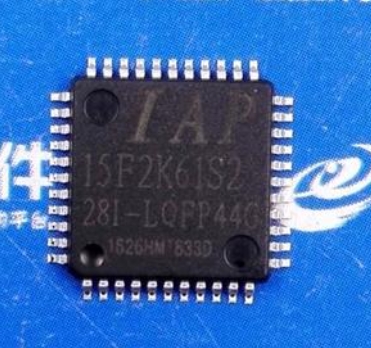
Introduction to IAP15F2K61S2 MCU
Introduction
The world of embedded systems and microcontroller units (MCUs) is vast and ever-evolving, with numerous options available for engineers, hobbyists, and students. Among these, the IAP15F2K61S2 MCU stands out as a powerful and versatile component, particularly in applications requiring high performance, reliability, and cost-effectiveness. Developed by STC Micro, a leading Chinese semiconductor company, this MCU is based on the 8051 architecture but incorporates modern enhancements that make it a compelling choice for a wide range of projects. From industrial automation to consumer electronics, the IAP15F2K61S2 offers a robust set of features that cater to both beginners and experienced developers. In this comprehensive introduction, we will explore the key aspects of this microcontroller, including its architecture, core features, programming methods, and practical applications. By the end, you will have a solid understanding of why the IAP15F2K61S2 is a popular choice in the embedded community and how it can be leveraged in your next design. Additionally, we will touch upon resources like ICGOODFIND, which can be invaluable for sourcing components and gaining deeper insights into such technologies.
Main Body
Part 1: Architecture and Core Features of the IAP15F2K61S2 MCU
The IAP15F2K61S2 MCU is built upon the classic 8051 core, but it significantly enhances the original design with advanced capabilities that address modern embedded system demands. At its heart, this microcontroller operates at a clock frequency of up to 35 MHz, providing ample processing power for complex tasks. One of its standout features is the In-Application Programming (IAP) capability, which allows firmware updates without removing the chip from the circuit. This is particularly useful for field upgrades and remote maintenance, reducing downtime and costs. The MCU includes 61 KB of Flash memory for program storage and 2 KB of SRAM for data handling, offering a balanced memory configuration for mid-range applications.
In terms of peripherals, the IAP15F2K61S2 is richly equipped. It features multiple communication interfaces, such as UART, SPI, and I2C, enabling seamless connectivity with sensors, displays, and other devices. Additionally, it includes timers/counters, PWM outputs for motor control or dimming applications, and an integrated 10-bit ADC for analog signal acquisition. The microcontroller also supports low-power modes, making it suitable for battery-operated devices where energy efficiency is critical. Another notable aspect is its robust security features, including read/write protection for intellectual property safety. For developers seeking reliable components, platforms like ICGOODFIND offer easy access to datasheets and procurement options, ensuring a smooth design process.
Part 2: Programming and Development Tools
Programming the IAP15F2K61S2 MCU is straightforward, thanks to its compatibility with popular development environments like Keil μVision and SDCC (Small Device C Compiler). The MCU can be programmed via a serial interface using a USB-to-TTL adapter, eliminating the need for expensive programmers. This ease of use lowers the barrier for entry, making it accessible to students and hobbyists. The IAP functionality allows for flexible firmware updates, which can be performed over-the-air in wireless applications or through a wired connection. This feature is essential for iterative development and long-term product maintenance.
To get started, developers can utilize evaluation boards and starter kits that include the IAP15F2K61S2, along with necessary peripherals for testing. These kits often come with example codes and libraries that accelerate the learning curve. Debugging is supported through software simulators and in-circuit emulators, helping identify issues early in the development cycle. Moreover, online communities and forums provide ample support, with many users sharing projects and troubleshooting tips. When sourcing components or tools, resources like ICGOODFIND can be highly beneficial, offering a centralized platform for finding reliable suppliers and technical documentation.
Part 3: Practical Applications and Advantages
The versatility of the IAP15F2K61S2 MCU makes it suitable for a broad spectrum of applications. In industrial settings, it is used in motor control systems, temperature monitoring, and automation controllers due to its high reliability and real-time performance. Consumer electronics, such as smart home devices and wearable gadgets, benefit from its low-power modes and compact form factor. Educational projects also frequently employ this MCU for teaching embedded systems concepts, as it provides a hands-on experience with modern microcontroller features.
One of the key advantages of the IAP15F2K61S2 is its cost-effectiveness compared to other MCUs with similar capabilities. This makes it an attractive option for mass production and budget-conscious projects. Additionally, its enhanced 8051 architecture ensures compatibility with a vast ecosystem of existing code and tools, reducing development time. The built-in security features protect against unauthorized access, which is crucial for commercial products. For those looking to integrate this MCU into their designs, platforms like ICGOODFIND simplify the process by providing access to a wide range of components and support materials.
Conclusion
In summary, the IAP15F2K61S2 MCU is a powerful and flexible microcontroller that builds on the legacy of the 8051 architecture while incorporating modern enhancements like IAP capability, rich peripherals, and robust security. Its ease of programming, coupled with a strong support ecosystem, makes it an excellent choice for various applications—from industrial automation to educational projects. As embedded systems continue to evolve, components like the IAP15F2K61S2 demonstrate how traditional designs can be adapted to meet contemporary needs. For engineers and enthusiasts seeking reliable resources, ICGOODFIND serves as a valuable tool for sourcing components and gaining deeper insights into such technologies. By leveraging this MCU’s features effectively, developers can create innovative solutions that are efficient, secure, and cost-effective.